There are some evenings that just call for something warm, something comforting, something that wraps you up like a soft blanket. For me, that’s almost always a steaming mug of mulled wine. It’s not just a drink; it’s an experience, a tradition. I can still remember my grandma making this every Christmas Eve, the whole house filling with that intoxicating aroma of spices and wine. It felt like pure magic. While store-bought versions are convenient, they rarely capture the depth of flavor that comes from making your own mulled wine recipe from scratch. This isn’t a complicated affair, either. Honestly, it’s about as simple as it gets, which is why it’s my go-to when I want something special without a lot of fuss. Forget those overly sweet, artificial-tasting mixes; this homemade mulled wine is the real deal, a true hug in a mug. If you’ve ever found yourself wanting to capture that festive, cozy feeling, this is your secret weapon. It’s infinitely better than those pre-made bottles and surprisingly forgiving for even beginner cooks.
What is mulled wine?
So, what exactly *is* mulled wine? At its heart, it’s wine that’s been gently heated with a delightful medley of spices and often a touch of sweetener and fruit. Think of it as wine’s warm, spiced cousin. The “mulling” process involves simmering the wine and aromatics together, allowing all those wonderful flavors to meld and infuse into the liquid. It’s not meant to be boiled, mind you – that would cook off the alcohol and ruin the delicate flavors. The goal is a gentle, fragrant warmth. The origin of mulled wine is actually quite ancient, with roots going back to the Romans who heated wine to draw out its medicinal properties and make it more palatable during colder months. Over centuries, different cultures added their own unique twists with local spices and fruits. Today, it’s a beloved winter beverage across Europe and beyond, especially around the holidays, and this particular mulled wine recipe is my attempt at capturing that timeless comfort.
Why you’ll love this recipe?
There are so many reasons why I keep coming back to this mulled wine recipe, and I’m absolutely sure you’ll fall in love with it too. First and foremost, the flavor is just *phenomenal*. It’s a symphony of warming spices – cinnamon, cloves, star anise – all perfectly balanced with the fruity notes of orange and the rich depth of the red wine. It’s not too sweet, not too tart, and has a beautiful complexity that you just don’t get from anything pre-made. Then there’s the sheer simplicity of it all. Seriously, you just throw a few things into a pot, let it simmer, and magic happens. It’s the kind of recipe that makes you feel like a culinary wizard with minimal effort. And let’s talk about the cost-efficiency! Using a decent, but not necessarily expensive, bottle of red wine and pantry staples like cinnamon sticks and oranges makes this a remarkably budget-friendly way to create something truly special. Plus, it’s incredibly versatile. You can adjust the sweetness, swap out fruits, or even experiment with different spices. What I love most about this mulled wine recipe is how it transforms a simple bottle of wine into a festive, aromatic centerpiece that instantly elevates any gathering or quiet evening. It’s my go-to for holiday parties, cozy nights in, or even just a little treat after a long day. It’s truly a lifesaver when you want to impress without stressing.
How do you make mulled wine?
Quick Overview
This mulled wine recipe is astonishingly straightforward. You’ll grab your favorite bottle of red wine, a few citrus fruits, a handful of warming spices, and a touch of sweetener. Everything goes into a pot and simmers gently for about 20-30 minutes. The aroma that fills your kitchen is half the magic! You’ll strain out the solids, and voila – you have a beautiful, fragrant, and utterly delicious mulled wine ready to be served. The beauty lies in its simplicity and the customizable nature, ensuring it’s perfect for your palate every single time.
Ingredients
For the Mulled Wine Base: For the Mulled Wine Base: For the Mulled Wine Base: For the Mulled Wine Base: For the Mul
This is where we build our flavor foundation. I always opt for a medium-bodied red wine that isn’t too expensive, as the spices and fruit will do most of the heavy lifting. Think Merlot, Grenache, or even a Spanish Tempranillo. Avoid anything too tannic or too sweet. A 750ml bottle is standard, but you can easily double this for a crowd.
Spices & Aromatics:
This is where the magic truly happens. You want whole spices here, not ground. Ground spices can make your mulled wine cloudy and a bit gritty, and they don’t impart the same clean, fragrant flavor. I usually go with:
- 4-6 whole star anise pods: They look so pretty and add a lovely licorice note.
- 8-10 whole cloves: The classic mulled wine spice! Just be careful not to add too many, as they can be potent.
- 2-3 cinnamon sticks: Again, whole is best. They release their fragrance beautifully when heated.
- 1 inch piece of fresh ginger, thinly sliced (optional, but highly recommended for a little zing!).
Citrus:
Using fresh citrus is key. I usually use:
- 1 large orange, thinly sliced into rounds. Make sure to leave the peel on – it’s packed with flavor and oils! I sometimes toss in a lemon slice or two as well for a brighter note.
Sweetener:
This is where you can really tailor it to your taste. I usually start with:
- 2-4 tablespoons of Brown Sugar or maple syrup. Brown sugar adds a lovely caramel note, while maple syrup gives a slightly richer flavor. You can also use honey, but it has a stronger flavor profile. Start with less and add more if needed after tasting.
Optional Add-ins:
If you’re feeling fancy, you can add:
- A splash of brandy or Cointreau (added at the end) for an extra kick.
- A few cardamom pods for an exotic twist.
- A vanilla bean, split, for a hint of sweetness and aroma.
Step-by-Step Instructions
Step 1: Prepare the Citrus and Spices
First things first, let’s get our aromatics ready. Take your orange and slice it into pretty rounds, about 1/4 inch thick. You can leave the peel on; it adds so much wonderful flavor and essential oils. If you’re using ginger, give it a quick peel and slice it thinly. This is also a good time to gather your whole spices – the star anise, cloves, and cinnamon sticks. I like to keep them together in a little bowl so they’re ready to go.
Step 2: Combine Ingredients in a Pot
Now for the easy part! Grab a medium-sized saucepan or Dutch oven. Pour in your entire bottle of red wine. Add the sliced orange rounds, the ginger slices (if using), and all your whole spices. Finally, add your chosen sweetener. I usually start with about 2 tablespoons of brown sugar. Remember, you can always add more later, but you can’t take it away!
Step 3: Gently Heat the Wine
Place the pot over medium-low heat. You want to bring the wine up to a gentle simmer, not a rolling boil. This is crucial! Boiling will evaporate the alcohol and can make the spices taste bitter. Keep an eye on it. You’ll start to notice the beautiful aroma filling your kitchen as it heats up. This usually takes about 10-15 minutes. Once it’s gently simmering, reduce the heat to low and let it continue to infuse.
Step 4: Simmer and Infuse
Let the mulled wine simmer very gently for at least 20-30 minutes. This is where all those lovely flavors meld together. The longer it simmers, the more intense the spice and fruit flavors will become. I often let mine go for 45 minutes to an hour on the lowest possible heat, especially if I have guests coming over. You want to keep it warm, but not cooking. Stir it occasionally to make sure the sweetener has dissolved and everything is mingling nicely.
Step 5: Taste and Adjust Sweetness
This is a critical step, my friends! Once it’s had a good simmer, carefully ladle a small amount into a heatproof mug and taste it. Is it sweet enough for you? Do you want more spice? This is your chance to personalize it. If it needs more sweetness, stir in another tablespoon of sugar or maple syrup. If you want a stronger spice flavor, let it simmer a little longer. If you’re adding brandy or Cointreau, now’s the time to stir it in.
Step 6: Strain the Mulled Wine
Once you’re happy with the flavor, it’s time to strain out the solids. You can use a fine-mesh sieve over a heatproof bowl or directly into your serving pitcher. Gently pour the mulled wine through the sieve, pressing down slightly on the solids to extract any remaining liquid. Discard the spices and fruit – they’ve done their job!
Step 7: Serve Warm
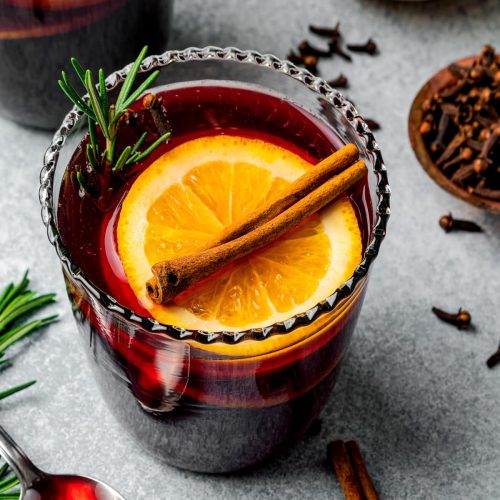
Your delicious mulled wine is ready to go! Ladle it into heatproof mugs. I love to garnish each mug with a fresh orange slice and maybe a cinnamon stick. The visual appeal really adds to the experience. Serve it immediately while it’s perfectly warm and fragrant.
Step 8: Enjoy!
Sip, savor, and enjoy the incredible warmth and flavor. This mulled wine is pure comfort in a mug, perfect for sharing or enjoying all by yourself.
What to Serve It With
Mulled wine is such a star on its own, but it also plays wonderfully with a few companions. For a cozy breakfast, I love a small mug alongside some warm, buttery croissants or a slice of dense fruitcake. It’s a treat that feels indulgent but still perfectly appropriate for the morning! For a more festive brunch, imagine serving it in delicate teacups with elegant pastries or even alongside a light frittata. The warmth of the wine cuts through the richness of the food beautifully. As a dessert, this is simply divine. It pairs wonderfully with rich, dark chocolate treats – think brownies, Flourless Chocolate Cake, or even just a simple bar of good quality dark chocolate. The spice notes in the mulled wine complement the chocolate so well. And for those super casual, cozy snack times, there’s nothing better than a mug of mulled wine with a plate of gingerbread cookies or some spiced nuts. My family has a tradition of having it with shortbread after opening presents on Christmas morning – it’s become synonymous with pure joy and relaxation for us!
Top Tips for Perfecting Your Mulled Wine
I’ve made this mulled wine recipe more times than I can count, and over the years, I’ve picked up a few tricks that I think really elevate it from good to absolutely spectacular. First, when it comes to the wine itself, don’t feel like you need to break the bank. A decent, everyday drinking red is perfect. I’ve found that anything too heavy or too light doesn’t quite hit the mark. Merlots, Grenaches, or even a fruity Zinfandel work beautifully. If you happen to have a slightly past-its-prime bottle of red, this is also a fantastic way to give it new life! For the spices, always use whole spices. I cannot stress this enough. Ground spices will make your mulled wine cloudy and can sometimes taste a bit gritty or bitter. Whole cloves, cinnamon sticks, and star anise release their flavor so much more elegantly when they’re simmered gently. You can even tie them together in a little cheesecloth pouch or a metal tea ball if you want to make straining super easy, though I usually just strain through a sieve at the end. When it comes to sweetness, it’s all about personal preference. I always start with a modest amount of brown sugar or maple syrup and then taste and adjust. It’s so much easier to add more sweetness than to fix an overly sweet batch. And don’t be afraid to experiment with other aromatics! A strip of lemon peel, a few cardamom pods, or even a split vanilla bean can add wonderful layers of flavor. My absolute favorite “secret” addition is a small knob of fresh ginger, thinly sliced. It adds a subtle warmth and a lovely little kick that’s just divine. When it comes to simmering, remember “gentle” is the keyword. You want to warm the wine through and let the flavors infuse, not cook it into submission. A low heat and a slow simmer for at least 20-30 minutes is ideal, but I often let mine go for an hour on the lowest setting. If you’re adding any spirits like brandy or Cointreau, I highly recommend stirring them in right at the very end, after you’ve strained the wine. This preserves their alcohol content and their vibrant flavor.
Storing and Reheating Tips
The great thing about this mulled wine recipe is that it keeps remarkably well, and reheating is just as simple as making it. If you find yourself with leftovers (which doesn’t happen often in my house!), you can store them in an airtight container in the refrigerator for up to 3-4 days. The flavors actually tend to meld and deepen even further overnight, so it can be even better the next day! When you’re ready to reheat, simply pour the mulled wine back into a saucepan and warm it gently over low heat. Again, the key is to avoid boiling it. You just want to bring it back up to a pleasant, drinkable temperature. Stir it occasionally to ensure it heats evenly. If it tastes a little less potent after refrigeration, you can always add a touch more sweetener or a splash of fresh orange juice before reheating. If you’re planning to make a big batch ahead of time for a party, you can store it in the fridge and then reheat it just before serving. For longer storage, mulled wine also freezes beautifully. Let it cool completely, then pour it into freezer-safe containers or bags, leaving a little headspace for expansion. It should keep well in the freezer for about 2-3 months. To thaw, transfer it to the refrigerator overnight and then reheat as directed. One thing to consider with storage is the glaze – if you’re planning to add any spirits like brandy, it’s best to add them when you reheat the mulled wine, just before serving, rather than storing them with the base.
Frequently Asked Questions
Final Thoughts
So there you have it, my go-to mulled wine recipe that’s perfect for bringing warmth and cheer to any occasion. It’s simple, incredibly fragrant, and tastes so much better than anything you can buy in a bottle. I truly believe that the act of making something with your own hands, especially something so comforting and delicious, adds an extra layer of specialness to it. It’s more than just a drink; it’s a memory in the making, a tradition to be cherished. If you enjoy the cozy, spiced flavors of mulled wine, you might also love my recipe for spiced apple cider or my easy gingerbread cookies – they make for a perfect pairing! I can’t wait to hear what you think of this mulled wine. Did you try any fun variations? Did your family gather around the kitchen while it simmered? Please leave a comment below and share your experience, or rate the recipe! Happy sipping!
mulled wine recipe
Ingredients
Main Ingredients
- 750 ml red wine I use Merlot
- 1 orange zest
- 1 whole orange peeled, segmented
- 6 whole cloves
- 3 cinnamon sticks
- 1 inch piece of fresh ginger root thinly sliced
- 0.5 cup Maker's Mark Bourbon
- 0.25 cup honey or to taste, optional
Garnish (Optional)
- fresh orange slices
- rosemary sprigs
- cinnamon sticks
Instructions
Preparation Steps (Slow Cooker Method)
- Combine all ingredients in a 3 to 4-quart slow cooker pot.
- Stir and cover with a lid.
- Cook on LOW for 1 to 2 hours.
- Remove the lid and stir. Taste and adjust with the sweetener, if needed.
- Ladle the mulled wine into mugs without the spices. Garnish with a slice of orange, rosemary sprig, and/or cinnamon sticks, and serve.
- After you remove the lid, leave the slow cooker on the Warm setting while serving.
Preparation Steps (Stovetop Method)
- Combine the ingredients in a Dutch oven or heavy-bottomed cooking pot and set it over medium heat.
- When the wine comes to a simmer, turn the heat down to as low as it will go.
- Cover, and let the wine simmer for at least 15 minutes or up to an hour.
- Using a fine mesh strainer, remove and discard the orange slices and spices. Give the mulled wine a taste, and stir in extra sweetener if needed.
- Serve it warm in heatproof glasses or mugs and top with garnishes.