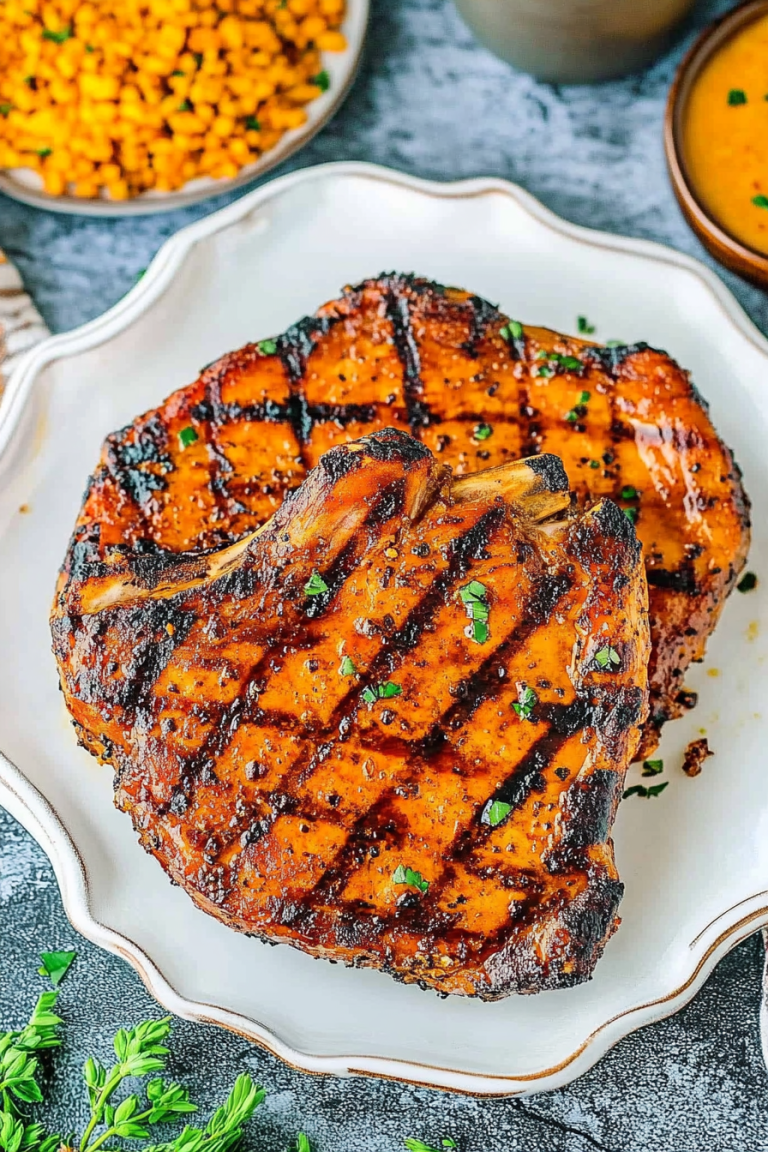
You know those recipes, right? The ones that smell so incredible while they’re cooking that your neighbors actually text you asking what you’re making? This Spicy Pork recipe is one of those, hands down. I swear, the first time I made this, my husband walked in the door, stopped dead in his tracks in the entryway, and just said, “What IS that amazing smell?” It’s not just the heat—though we definitely get that heat! It’s the deep, savory, slightly sweet undertone that just sings. I’ve tried tons of meat preparations over the years—slow-cooked roasts, quick stir-fries—but nothing hits the spot quite like this tender, juicy pork coated in that rich, fiery sauce. If you’re usually intimidated by complex Asian marinades or think making genuinely good Spicy Pork takes all day, please let me stop you right there. This one’s a lifesaver on busy nights, and honestly, it tastes like you fussed over it for hours. It’s my go-to when I’m craving that deep comfort food flavor but need it on the table fast.
What is a spicy pork?
What is this spicy pork dish?Jeyuk Bokkeum or maybe a very heavy Sichuan preparation. While I adore those, this version is a little different—it’s what I call my ‘cross-cultural comfort blend.’ Think of it as the perfect marriage between a sticky, sweet BBQ glaze and a slow-simmered chili paste. It’s essentially thin-sliced pork shoulder (you can use loin, but shoulder stays juicier, trust me!) marinated briefly and then quickly seared and simmered in a thick, vibrant sauce. The “spicy” part comes from a blend of gochugaru and a touch of chipotle powder—yes, chipotle! That little smoky addition is my secret weapon. It’s essentially a deeply savory, slightly sweet, and definitely fiery main course that clings beautifully to every single strand of pork. It’s intensely flavorful without being overwhelmingly heavy, making it the perfect weeknight star that feels like a weekend treat. It’s messy, it’s bold, and it’s exactly what you need when you’re ready to stop eating bland chicken breasts.
Why you
I’ve made this countless times and it never fails to impress, which is why I’m so excited to share all my hard-won knowledge with you! What I love most about this Spicy Pork is the sheer depth of flavor we achieve in such a short amount of time. It’s not a six-hour braise; we’re talking under an hour from start to finish.
What is the best way to start a conversation?Flavor. That sauce? It’s magic. You get the initial pop of garlic and ginger, followed by a sweet caramelization from the brown sugar and honey, and then that slow, warming burn from the chilies. It’s savory, sweet, and hot, all balanced perfectly. My kids actually ask for this all the time, though I tone down the chili flakes for them. Even with less heat, the savory umami notes from the soy sauce and oyster sauce shine through.
Second is the Simplicity. Seriously, this is deceptively easy. The marinade is just dump-and-stir, and since we’re using thin slices of pork, they cook through lightning fast. I always do this when I’m trying to clear out the fridge at the end of the week because it pairs well with almost any vegetable you have lying around—broccoli, bell peppers, even leftover green beans!
Third, it’s incredibly Cost-Efficient. Pork shoulder, or pork butt as some stores call it, is one of the most economical cuts of meat. You get maximum flavor and tenderness without breaking the bank, which is a huge win for feeding a family.
Finally, its Versatility is fantastic. While I usually serve this over plain steamed rice (the rice soaks up all that extra sauce—don’t waste it!), you can pile it into warm tortillas for tacos, toss it with noodles, or even use leftovers cold in a crunchy slaw the next day. If you’ve ever made my Honey Sriracha Chicken wings, this carries a similar profile but with the texture of slow-cooked meat thanks to the shoulder cut. It’s just consistently delicious, requiring minimal active cooking time. Trust me, once you try this, it’ll jump right to the top of your weekly rotation.
How to Make Spicy Pork
Quick Overview
This method centers on maximizing marinade contact time before a quick sear to build flavor depth, followed by a fast simmer in the sauce until it thickens and coats the meat perfectly. The secret is the two-stage cooking process: searing develops that wonderful crust, and the simmer ensures every piece is drenched in that spicy glaze without drying out. It’s fast, it’s straightforward, and the resulting texture of the pork is melt-in-your-mouth tender, even though you barely touched a stove for very long. Seriously, this is what I whip up when I want something that tastes complex but requires zero culinary acrobatics.
Ingredients
This recipe relies on building layers of flavor using pantry staples. Don’t skimp on the aromatics!
For the Main Meat & Marinade:
2 lbs Pork Shoulder (Boston Butt), trimmed of excessive fat and sliced very thinly against the grain (about 1/8 inch thick)
1/4 cup Soy Sauce (use low sodium if you’re watching salt)
2 tablespoons Sesame Oil (the toasted kind, please—it makes a huge difference)
1 tablespoon Rice Vinegar
1 teaspoon Freshly Ground Black Pepper
For the Spicy Sauce Base:
3 cloves Garlic, minced finely (I use my microplane for the best texture)
1 inch Ginger, grated or finely minced
1/4 cup Gochujang (Korean chili paste—essential for that deep red color and funk)
2 tablespoons Gochugaru (Korean chili flakes—adjust down if you’re sensitive!)
1 tablespoon Chipotle Chili Powder (My weird addition, just for smoke and earthiness)
3 tablespoons Brown Sugar, packed
2 tablespoons Honey or Maple Syrup (Honey always seems to give a better gloss)
1 tablespoon Oyster Sauce (or vegetarian mushroom sauce as a swap)
For Finishing and Serving:
2 tablespoons neutral cooking oil (like canola or avocado)
1/2 cup water or low-sodium chicken broth
2 Scallions, green parts sliced thinly, for garnish
Toasted sesame seeds
Step-by-Step Instructions
Step 1: Preheat & Prep Pan
We aren’t baking, but pan prep is crucial! Get your largest, heaviest skillet—cast iron is my dream here—ready on medium-high heat. You want it hot enough to sear the meat quickly without steaming it. Slice your pork while the pan heats up. Remember: thin slices, against the grain. This guarantees tenderness. I usually aim for pieces no bigger than 2 inches wide so they can soak up the sauce easily.
Step 2: Mix Dry Ingredients
In a medium bowl, combine your sliced pork with all the marinade ingredients: soy sauce, sesame oil, rice vinegar, and pepper. Use your hands (wash ’em well after!) to really massage that marinade into the meat. Let this sit on the counter while you prep the sauce. About 20 minutes is plenty of time for flavor integration here. I learned the hard way that if you marinate pork shoulder too long with acid (like vinegar), it can get mushy, so 20-30 minutes is the sweet spot.
Step 3: Mix Wet Ingredients
In a separate small bowl, whisk together everything for the sauce base: the minced garlic and ginger, gochujang, gochugaru, chipotle powder, brown sugar, honey, and oyster sauce. Whisk until the sugar is mostly dissolved and you have a thick, fragrant paste. Smell that? That’s your future dinner right there. Make sure the pastes are fully combined so you don’t get pockets of pure chili paste later.
Step 4: Combine
This step is about quick searing. Heat your large skillet over medium-high heat and add your 2 tablespoons of neutral oil. Once it shimmers, add half of the marinated pork. Don’t crowd the pan! Crowding steams the meat, and we want sear marks. Cook for 2-3 minutes per side until beautifully browned and slightly crispy at the edges. Remove the first batch and immediately add the second batch. Searing in batches is non-negotiable if you want that restaurant-quality texture.
Step 5: Prepare Filling
Once all the pork is seared and set aside, lower the heat slightly to medium. Add that entire bowl of spicy sauce paste into the hot pan. Stir constantly for about 30 seconds—this “blooms” the spices and deepens the flavor of the garlic and ginger. Be careful not to burn it! Immediately pour in the 1/2 cup of water or broth. Stir vigorously to scrape up any browned bits (that’s pure flavor!) from the bottom of the pan.
Step 6: Layer & Swirl
Return all the seared pork back into the skillet. Toss everything together quickly until every piece of pork is coated in the simmering sauce. Let it bubble gently for about 5 to 7 minutes, stirring occasionally. The sauce will begin to thicken dramatically as the water evaporates and the sugars caramelize around the meat. You’ll know it’s ready when the sauce coats the back of a spoon heavily and looks glossy, not watery.
Step 7: Bake
Wait, we aren’t baking! But if your sauce is reducing too fast and starting to stick aggressively before the pork is tender, you can cover the skillet, reduce the heat to low, and let it steam-simmer for another 5 minutes to ensure the pork is fork-tender. For this quick-sear method, though, it usually only takes that initial 5-7 minutes on the stovetop. Keep an eye on it; burnt sugar is no fun!
Step 8: Cool & Glaze
Once the sauce is thick and sticky, turn off the heat immediately. The residual heat will keep cooking it slightly. This is when it achieves that perfect glaze consistency. I usually let it sit off the heat for two minutes while I quickly grab my serving bowls. There’s no separate glaze here; the sauce *is* the glaze. Just ensure it looks thick, dark red, and clings tightly to the pork slices.
Step 9: Slice & Serve
Serve this piping hot. Spoon a generous helping of white rice into your bowl, top it heavily with the Spicy Pork, making sure you get plenty of that thick sauce pooled around the edges. Finish with a heavy sprinkle of sliced green onions and a scattering of toasted sesame seeds. The green onions provide that necessary fresh bite to cut through the richness. My family likes to eat this with chopsticks, scooping up the rice and pork in one go—it’s best enjoyed messy!
What to Serve It With
Honestly, this dish is so robust, it really only *needs* plain rice, but a few simple additions transform it from a great meal into an epic feast. I’ve learned that balancing the heat and savoriness with something cool and crisp is key.
For Breakfast: I know, I know, breakfast? But leftovers are divine! The cold, slightly chewy pork mixed with scrambled eggs and a dash of sriracha is surprisingly incredible. Pair it with a strong, black coffee—the bitterness really balances the spice.
For Brunch: This is where you elevate it. Instead of plain rice, serve the pork over fluffy, coconut-infused sticky rice. On the side, have quick-pickled cucumbers and carrots (the kind you make in 15 minutes with vinegar and sugar). This bright, vinegary crunch is the perfect counterpoint to the deep, smoky spice of the pork. Maybe a crisp, dry Riesling if you’re feeling fancy!
As Dessert: Since the main dish is so intense, keep dessert light. A simple bowl of chilled mango slices or a scoop of vanilla bean ice cream finishes the palate nicely. Nothing too heavy, or you’ll ruin the satisfying warmth of the pork.
For Cozy Snacks: This is my favorite way. Take a few lettuce cups—butter lettuce or iceberg works best for crunch—and use them as little wraps. Spoon the pork in, maybe add a tiny drizzle of Kewpie mayo for creaminess (don’t knock it till you try it!), and eat them like little savory tacos. This is perfect when I’m craving something savory at 10pm but don’t want to bake a whole cake.
My absolute non-negotiable side is quick-blanched broccoli florets, tossed with just a tiny bit of salt and sesame oil. It keeps the plate from being too heavy on the starches and adds that lovely green element. This combination has been a staple at our house for years; it just works perfectly together.
Top Tips for Perfecting Your Spicy Pork
I’ve burned this sauce more times than I care to admit, and I’ve had pork that tasted like leather. After years of tinkering, here are the hard-won lessons that guarantee success every single time.
Pork Prep: Slice it thin, seriously thin. If your knife isn’t sharp, use a very sharp, high-quality stainless steel blade. If you buy it pre-sliced for stir-fry, even better. The thickness determines how quickly it cooks and how much sauce it absorbs. If it’s too thick, it’ll take too long to cook in the sauce and dry out before the glaze thickens.
Mixing Advice: When combining the meat and the marinade, use your hands, but don’t overwork it once the acid hits. We want to lightly coat, not develop the muscle fibers. Just enough massaging to ensure every slice is damp.
The Sauce Bloom: This is vital. When you add the gochujang and chili powder to the hot pan (Step 5) *before* adding liquid, you are toasting the spices and unlocking their true flavor potential. If you just dump them straight into the liquid, they taste raw and chalky. A quick 30-second stir in the hot oil with the aromatics changes everything. But watch it like a hawk—burnt chili paste tastes bitter!
Searing Strategy: Never, ever skip searing in batches. If you dump all 2 lbs of pork in at once, the temperature of the pan drops instantly, and the meat releases all its moisture, boiling instead of searing. You want high heat and short contact time for browning. Those dark, crusty bits on the bottom of the pan are the fond; they become the base of your sauce when you deglaze!
Ingredient Swaps: If you can’t find gochugaru (Korean flakes), you can substitute with a blend of smoked paprika and cayenne pepper, but you might need slightly less, and you’ll lose that signature fermented depth. If you don’t have oyster sauce, Worcestershire sauce works in a pinch for savory depth, though the texture will be thinner.
Glaze Consistency: If your sauce reduces too quickly and becomes too thick—turning almost like paste before the pork is done—add your water/broth in small increments (a tablespoon at a time) until you reach a nice, syrupy coating consistency. If it’s too thin at the end, take the pork out temporarily and let the sauce simmer uncovered for a few minutes to reduce further before tossing the meat back in to coat.
I learned this trick after years of making it: if you find your pork is slightly tough after simmering, add a tiny splash of water, cover it, and let it steam on very low heat for five more minutes. It relaxes the fibers without boiling away the sauce completely.
Storing and Reheating Tips
The best part about this Spicy Pork is that it actually tastes even better the next day! The flavors really meld together overnight.
Room Temperature: If you’re serving it at a party or potluck, it’s safe to leave it out for about two hours, covered loosely. Since the sauce is high in sugar and salt, it holds up okay, but for safety and flavor integrity, aim to serve it within an hour or two of cooking.
Refrigerator Storage: This is where it shines. Transfer any leftovers to an airtight container. I recommend using glass containers because they don’t absorb any of that strong spice flavor. It keeps beautifully for 4 to 5 days in the fridge. The sauce will solidify and look a bit clumpy when cold—this is totally normal!
Freezer Instructions: You can absolutely freeze this! I often double the batch just for this reason. Once completely cool, transfer the pork and any excess sauce into a heavy-duty freezer bag. Flatten it out so it thaws faster later. It lasts wonderfully for up to three months. To thaw, move it to the fridge the night before you plan to eat it.
Glaze Timing Advice: Never glaze if you plan on freezing immediately. Freeze the cooked pork and sauce together, as the sauce acts as a protective layer. When reheating from frozen, transfer to a skillet over medium-low heat with a tablespoon of water or broth. Cover and let it gently steam until just warmed through, then uncover to let the sauce re-glaze over the meat for the last minute.
When reheating refrigerated leftovers on the stovetop, use medium heat and add just a teaspoon of water or broth to prevent the sugars from scorching while it heats up. Stir constantly until it’s bubbling hot and glossy again—usually about 5 to 7 minutes. Microwaving is okay in a pinch, but stirring halfway through is essential to avoid hot spots where the sauce might burn.
Frequently Asked Questions
Final Thoughts
I really hope this recipe finds its way into your regular rotation because it’s the kind of meal that feels like a real accomplishment when you finish it, even though it was truly quick and easy. That perfect balance of savory depth, lingering heat, and beautiful glaze is something I look forward to every time I pull the pork shoulder out of the fridge. It’s comforting, it’s exciting, and it brings everyone running to the kitchen when it starts simmering. Remember the golden rule: sear in batches, and don’t be afraid of that little bit of chipotle for smokiness!
If you love bold, flavor-forward meat dishes like this Spicy Pork, you might also want to check out my 30-Minute Sticky Garlic Chicken recipe—it uses a similar glaze technique but focuses more on aromatics. And please, please, please come back and tell me how it went! Did you use cilantro instead of scallions? Did your family survive the heat? Drop your comments, star ratings, and any tweaks you made down below. Happy cooking, friends—I can’t wait to hear how yours turns out!

Spicy Pork
Ingredients
Main Ingredients
- 1 pound 90% lean ground pork
- 2 tablespoons red wine vinegar
- 3 cloves garlic minced
- 1 teaspoon smoky paprika
- 2 teaspoons ancho chili powder
- 1 teaspoon kosher salt
- 0.25 teaspoon cayenne pepper
- 0.25 teaspoon black pepper freshly ground
- 0.25 teaspoon dried oregano
- 0.25 teaspoon ground cumin
- 6 cups Brussels sprouts shredded
- 0.25 cup onion chopped
- 4 large eggs
Instructions
Preparation Steps
- Heat a large cast iron or heavy nonstick skillet over medium heat, spray with olive oil, and cook the ground pork, breaking it up into small pieces.
- Combine smoky paprika, ancho chili powder, kosher salt, cayenne pepper, black pepper, dried oregano, and ground cumin in a small bowl.
- Add minced garlic and the spice mix to the pork, season with red wine vinegar, and cook until the pork is browned and no longer pink in the center, about 8 to 10 minutes.
- Transfer the cooked pork to a plate and set aside.
- Add shredded Brussels sprouts and chopped onion to the skillet and cook over high heat, stirring occasionally, until the sprouts start to brown and become tender-crisp, about 6 to 7 minutes.
- Return the pork to the skillet and mix everything together, cooking for an additional 1 to 2 minutes.
- Heat a nonstick skillet, spray with olive oil, and cook the eggs covered until the whites are set but yolks are still runny, about 2 to 3 minutes.