Oh, where do I even begin with this Cajun Chicken? It’s one of those recipes that feels like a warm hug from the inside out. I remember the first time I made it, I was trying to impress some friends coming over, and I wanted something with a little kick, something that screamed “flavor explosion.” I’d tried a few other chicken dishes, you know, the usual suspects, but they all felt a bit… tame. Then, I stumbled upon this method, and let me tell you, it was a game-changer. The aroma that fills my kitchen when this is cooking? Pure magic. It’s the kind of smell that has my whole family (and usually the neighbors!) peeking into the kitchen, asking what’s for dinner. This Cajun chicken isn’t just a meal; it’s an experience, and it’s surprisingly simple to pull off, even on a weeknight when you’d rather be lounging. It’s become our household’s unofficial “celebration chicken,” but honestly, it’s too good not to make anytime. It’s got this incredible depth of flavor that reminds me of bustling New Orleans streets during Mardi Gras – vibrant, exciting, and utterly unforgettable. If you’re looking for a chicken dish that’s anything but boring, you’ve found it.
What is Cajun Chicken?
So, what exactly *is* this delightful Cajun chicken we’re talking about? Think of it as a flavor fiesta for your taste buds! At its heart, it’s chicken, but it’s been treated to a symphony of spices that are distinctly Cajun. This isn’t your everyday roast chicken; it’s been marinated and seasoned with a bold blend of herbs and spices that give it that signature smoky, spicy, and savory profile. The “Cajun” in Cajun chicken comes from the Acadiana region of Louisiana, where French Canadian exiles settled and developed a rich culinary tradition. They’re known for their robust flavors, often featuring ingredients like paprika, cayenne pepper, garlic powder, onion powder, and a medley of other savory spices. It’s essentially a flavor-packed party for your chicken, making it incredibly moist and bursting with character. It’s not just about heat; it’s about a complex layering of tastes that keep you coming back for more. It’s comforting, it’s exciting, and it’s downright delicious.
Why you’ll love this recipe?
I could write a book about why this Cajun Chicken recipe is my absolute favorite, but I’ll try to keep it concise (though it’
First off, the flavor. Oh, the flavor! It’s a perfect balance of smoky, savory, and a gentle kick of heat that you can totally customize. It’s not just spicy for the sake of being spicy; each herb and spice plays its part to create this incredibly complex and satisfying taste. You get notes of paprika, garlic, onion, and that subtle warmth from cayenne pepper that just makes everything sing. It’s the kind of flavor that makes you close your eyes with every bite.
Next up, simplicity. I know, I know, “Cajun” might sound intimidating, but this recipe is surprisingly straightforward. We’re talking simple steps that don’t require any fancy chef skills. I’ve whipped this up after a long day at work more times than I can count, and it’s always a winner. It’s one of those recipes that makes you feel like a culinary rockstar without actually having to stress. Even my teenage son, who usually has a very discerning palate (read: picky!), devours this without a second thought.
What is the second category?cost-efficiency. Chicken is usually a budget-friendly protein, and the spices, while a blend, are things you might already have in your pantry or can buy in small quantities without breaking the bank. This is a fantastic way to elevate a simple ingredient into something truly special without spending a fortune. It’s a lifesaver for feeding a family or entertaining a crowd on a budget.
And let’s talk about versatility. This Cajun chicken is a chameleon! You can serve it whole, sliced over rice, shredded in tacos, or even tossed into a salad. It’s fantastic with a side of creamy mashed potatoes, a simple green salad, or some dirty rice. I’ve even used leftovers to make amazing Chicken Salad sandwiches. It truly fits into any meal, from a casual weeknight dinner to a more festive weekend gathering. It’s the gift that keeps on giving, flavor-wise!
How to Make Cajun Chicken
Quick Overview
This Cajun chicken is all about building flavor from the start. We’ll marinate the chicken in a zesty, spiced concoction, then give it a beautiful sear to lock in all those juices and create a gorgeous crust. It’s a straightforward process that doesn’t demand hours in the kitchen, but delivers maximum flavor impact. You’ll be amazed at how something so easy can taste so incredibly restaurant-worthy. Trust me, the smell alone is worth the effort!
Ingredients
For the Main Chicken Marinade:
Here’s where the magic starts. You’ll need about 1.5 to 2 pounds of chicken pieces – I love using boneless, skinless thighs because they stay super moist, but breasts work beautifully too. Just be mindful of cooking time if you go with breasts.
- 1/2 cup olive oil (good quality makes a difference!)
- 1/4 cup fresh lemon juice (about 1-2 lemons)
- 2 tablespoons Worcestershire sauce (don’t skip this, it adds amazing umami)
- 1 tablespoon smoked paprika (for that deep, smoky flavor)
- 1 tablespoon garlic powder
- 1 tablespoon onion powder
- 1 teaspoon cayenne pepper (adjust to your spice preference – start with less if you’re nervous!)
- 1 teaspoon dried oregano
- 1 teaspoon dried thyme
- 1 teaspoon black pepper
- 1/2 teaspoon salt (you can always add more later if needed)
- Optional: A pinch of red pepper flakes for an extra kick!
For Searing & Finishing:
This part is about getting that perfect golden crust.
- 1-2 tablespoons vegetable oil or another high-heat oil for searing
- Fresh parsley, chopped, for garnish (makes it look extra pretty!)
Step-by-Step Instructions
Step 1: Marinate the Chicken
First things first, let’s get our chicken marinating. In a medium bowl or a sturdy zip-top bag, whisk together all the ingredients for the marinade: Olive oil, lemon juice, Worcestershire sauce, smoked paprika, garlic powder, onion powder, cayenne pepper, oregano, thyme, black pepper, and salt. Give it a good whisk until everything is well combined. Add your chicken pieces to the marinade, making sure each piece is thoroughly coated. If you’re using a bowl, cover it tightly with plastic wrap. If you’re using a bag, seal it up, squeezing out any excess air. Pop this in the refrigerator for at least 30 minutes, but ideally for 2-4 hours. I often marinate it overnight if I have the time – the longer it marinates, the more flavor it absorbs!
Step 2: Prepare for Searing
About 15 minutes before you’re ready to cook, take the chicken out of the refrigerator. This helps it cook more evenly. You’ll also want to have your searing oil ready. Place a large skillet (cast iron is amazing for this!) over medium-high heat. Add about 1-2 tablespoons of vegetable oil. You want the oil to be hot but not smoking – it should shimmer.
Step 3: Sear the Chicken
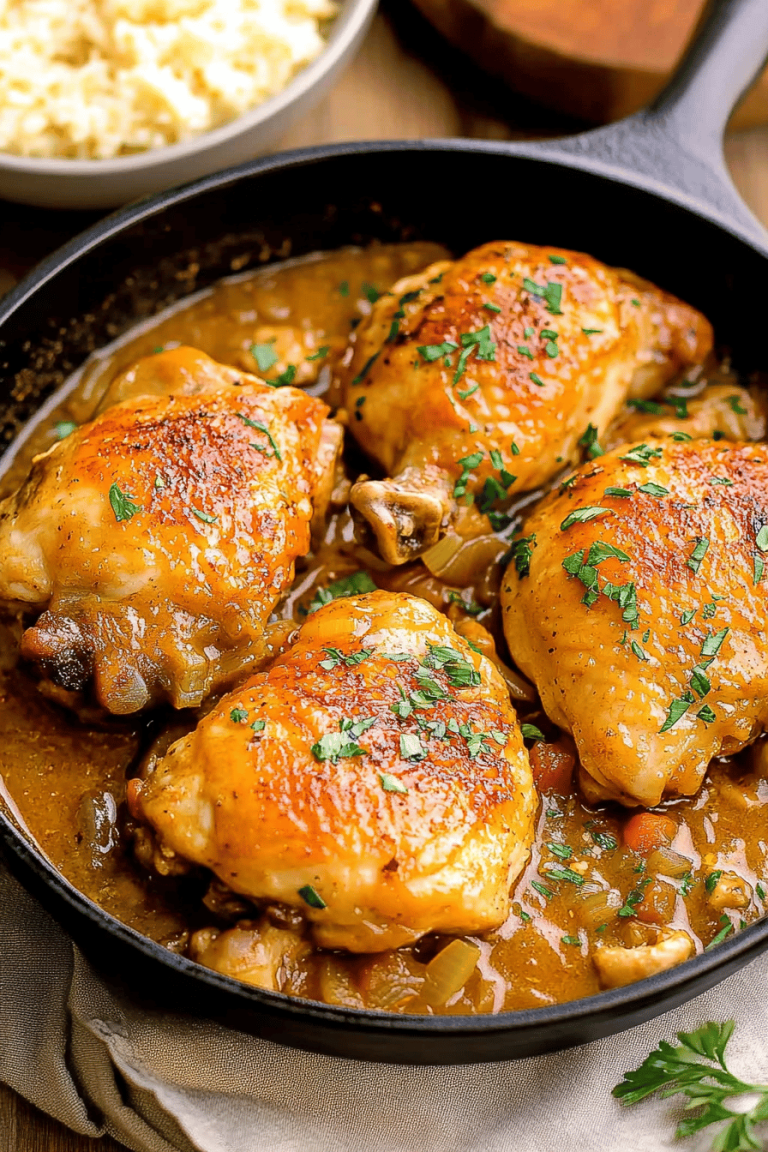
Carefully place the marinated chicken pieces into the hot skillet, working in batches if necessary to avoid overcrowding the pan. Overcrowding will steam the chicken instead of searing it, and we want that beautiful, golden-brown crust. Let each piece cook undisturbed for about 4-5 minutes per side for thighs, or until a gorgeous crust forms. The marinade might cause a little browning from the sugar in the Worcestershire sauce, which is totally okay and adds to the flavor!
Step 4: Finish Cooking
Once the chicken has a nice sear on both sides, you have a couple of options. If your chicken pieces are relatively thin (like chicken breasts cut in half horizontally), they might be cooked through. You can check with a meat thermometer – it should read 165°F (74°C) in the thickest part. If they need more time, reduce the heat to medium-low, cover the skillet loosely (or transfer to a preheated oven at 375°F / 190°C), and continue to cook for another 5-10 minutes, or until the chicken is cooked through and tender.
Step 5: Rest the Chicken
This is a crucial step that many people skip, but it makes a huge difference! Once the chicken is cooked, remove it from the skillet and place it on a clean plate or cutting board. Tent it loosely with foil and let it rest for at least 5-10 minutes. This allows the juices to redistribute throughout the meat, ensuring every bite is incredibly moist and tender.
Step 6: Serve
After resting, you can serve the chicken whole, or slice it for a more elegant presentation. Drizzle any accumulated juices from the resting plate over the top. Garnish with freshly chopped parsley for a pop of color and freshness. The aroma alone will have everyone at the table eager to dig in!
What to Serve It With
This Cajun chicken is so versatile, it’s almost ridiculous! It truly shines in so many different meal settings.
For Breakfast: Okay, maybe not a full Cajun chicken for breakfast, but if you have some leftover shredded chicken, it’s amazing in a breakfast scramble or omelet with some bell peppers and onions. A little bit of spice to start the day never hurt anyone!
For Brunch: This is where it really excels. Serve the chicken whole or sliced alongside classic brunch fare like fluffy scrambled eggs, crispy bacon, and maybe some cheesy grits. It’s also fantastic shredded and mixed into a flavorful brunch taco or served over a bed of flavorful rice pilaf. Pair it with a mimosa or a sparkling grapefruit juice for a festive touch.
As Dessert: This is a bit of a stretch for dessert, but hear me out! If you’re having a casual gathering and serving something like a bread pudding or a sweet tart, a small portion of this flavorful chicken could be an unexpected savory element on the plate. It’s about creating a contrast that keeps things interesting. I’ve done this for potlucks, and it’s always a conversation starter.
For Cozy Snacks: Leftover Cajun chicken is perfect for a quick, satisfying snack. Shred it and toss it into a quesadilla with some cheese, or make mini chicken sliders on Hawaiian rolls. It’s also fantastic as a topping for loaded sweet potato fries or nachos. It’s hearty, flavorful, and always hits the spot when you need something more substantial than chips.
My family absolutely adores this chicken with a side of creamy coleslaw or a simple cucumber and tomato salad. We also love serving it over a big mound of fluffy white rice or a hearty scoop of potato salad. It’s the kind of meal that brings everyone to the table, happy and satisfied.
Top Tips for Perfecting Your Cajun Chicken
I’ve made this Cajun chicken more times than I can count, and over the years, I’ve picked up a few tricks that I think really make it sing. These are the little things that take it from good to absolutely phenomenal.
Marinade Matters: Don’t skimp on the marinating time! I know sometimes we’re in a rush, but even 30 minutes makes a difference. For the best flavor infusion, aim for at least 2 hours, or even better, overnight. The acidity from the lemon juice and the salt help to tenderize the chicken, while the spices work their magic. Make sure every piece is coated; if using a bag, massage it gently to distribute the marinade evenly.
Pan Temperature is Key: When searing, make sure your pan and oil are hot enough before adding the chicken. If the pan isn’t hot, the chicken will stick and steam, rather than getting that beautiful, flavorful crust. You want to hear a gentle sizzle when the chicken hits the pan. This crust is where so much of the deliciousness lives!
Don’t Overcrowd the Pan: I cannot stress this enough! Cooking chicken in batches is essential for achieving that perfect sear. If you cram too many pieces into the pan, the temperature drops, and you end up steaming the chicken, which means soggy skin (if you leave it on) and less flavor. Give each piece enough space to breathe and brown properly.
Trust Your Thermometer: While visual cues are great, the most reliable way to know your chicken is cooked is with a meat thermometer. Chicken is safe to eat at 165°F (74°C), but I often find it’s most juicy if I pull it off the heat when it reaches 160-162°F (71-72°C) and let it finish cooking as it rests. Carryover cooking is your friend here!
Resting is Non-Negotiable: This is probably the single most important tip for tender, juicy chicken. When chicken is cooked, the muscle fibers seize up, forcing the juices to the center. Resting allows those fibers to relax and reabsorb the juices. If you cut into it too soon, all that delicious moisture just runs out onto the plate. Tent it loosely with foil, and be patient – it’s worth it!
Spice Level Adjustment: The cayenne pepper is what brings the heat. If you’re sensitive to spice, start with just 1/4 teaspoon or even omit it entirely and add a pinch of smoked paprika instead. If you love heat, feel free to bump it up to 1.5 or 2 teaspoons, or even add a dash of your favorite hot sauce to the marinade. My husband likes it spicy, so I often add a little extra cayenne just for him!
Ingredient Swaps: If you don’t have fresh lemon, a tablespoon of bottled lemon juice can work in a pinch, though fresh is always best for brightness. For the Worcestershire sauce, a little soy sauce or tamari can offer a similar umami boost, though the flavor profile will be slightly different. If you don’t have smoked paprika, regular paprika will work, but you’ll miss that signature smoky depth, so I highly recommend trying to find smoked!
Storing and Reheating Tips
One of the best things about this Cajun chicken is how well it keeps, making it a fantastic candidate for meal prep or enjoying leftovers. I always make a little extra just so I can have it later in the week!
Room Temperature: Once the chicken has been cooked and has cooled down considerably, you can leave it at room temperature for about two hours. Any longer than that, and it’s best to get it into the refrigerator to prevent bacterial growth.
Refrigerator Storage: This is my go-to method for storing leftovers. Once the chicken has completely cooled, transfer it to an airtight container. It will stay delicious in the fridge for about 3-4 days. I like to store it whole or sliced, depending on how I think I’ll use it next. If it’s still whole, I might wrap it tightly in plastic wrap before putting it in the container for an extra layer of protection.
Freezer Instructions: If you find yourself with a lot of leftover chicken, freezing is a great option! Make sure it’s completely cooled. Wrap individual portions tightly in plastic wrap, then place them in a freezer-safe bag or container. Properly stored, it can last in the freezer for up to 2-3 months. When you’re ready to use it, transfer it to the refrigerator overnight to thaw. For faster thawing, you can place the sealed bag in a bowl of cold water.
Glaze Timing Advice: This recipe doesn’t have a specific glaze, but if you’re serving it with something like a sauce or a dressing, I’d recommend storing the sauce separately. When reheating, you can add a little bit of fresh sauce or a splash of broth to help keep the chicken moist. For plain cooked chicken, reheating is best done gently to avoid drying it out.
Reheating Methods: My favorite way to reheat this Cajun chicken is in a skillet over medium-low heat with a tiny splash of water or chicken broth. This helps to rehydrate it and bring back some of that moisture. You can also reheat it in the oven at around 325°F (160°C) for about 10-15 minutes, covered with foil. Microwaving is the quickest option, but be careful not to overcook it, as it can become tough. Aim for short bursts of time and check for doneness.
Frequently Asked Questions
Final Thoughts
So there you have it – my beloved recipe for Cajun chicken! I truly believe this dish captures the spirit of Louisiana: bold, vibrant, and incredibly satisfying. It’s more than just a recipe; it’s a way to bring a little bit of sunshine and spice into your life, and it’s something I’m so happy to share with you. The way the spices meld together, creating that irresistible aroma and flavor, is something special that just can’t be beaten. I love how versatile it is, how it can be the star of a weeknight dinner or the highlight of a weekend feast. It’s simple enough for beginners but packed with enough flavor to impress even the most discerning palates. I really hope you give this Cajun chicken a try. I’m always so excited to hear when you do! If you make it, please let me know in the comments below how it turned out for you, or if you found any fun variations. And if you loved this recipe, you might also enjoy my Smoky Paprika Roasted Chicken or my Speedy Lemon Herb Chicken – they have a similar vibe of easy flavor!
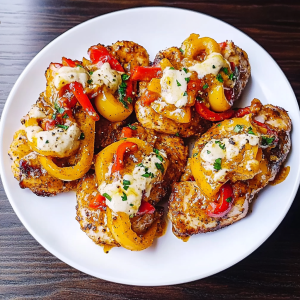
Cajun chicken
Ingredients
Main Ingredients
- 1.5 lbs boneless, skinless chicken breasts (about 4 breasts)
- 2 tbsp olive oil
- 2 tbsp Cajun seasoning
- 1 tsp paprika
- 1 tsp garlic powder
- 1 tsp onion powder
- 0.5 tsp dried oregano
- 0.5 tsp dried thyme
- 0.25 tsp cayenne pepper (or more, to taste)
- 0.5 tsp salt
- 0.25 tsp black pepper
Instructions
Preparation Steps
- Pat the chicken breasts dry thoroughly with paper towels. This helps the seasoning adhere and promotes a better sear.
- In a small bowl, combine the Cajun seasoning, paprika, garlic powder, onion powder, dried oregano, dried thyme, cayenne pepper, salt, and black pepper. Mix well to create your spice blend.
- Generously rub the spice mixture over both sides of each chicken breast, ensuring they are fully coated.
- Heat the olive oil in a large skillet (cast iron works best) over medium-high heat. Once the oil is shimmering and hot, carefully place the seasoned chicken breasts into the skillet.
- Cook for 5-7 minutes per side, or until the chicken is golden-brown, has a flavorful crust, and is cooked through to an internal temperature of 165°F (74°C). Cooking time may vary based on chicken thickness.
- Remove the chicken from the skillet and let it rest on a cutting board for 5 minutes before slicing or serving whole. This helps retain the juices.