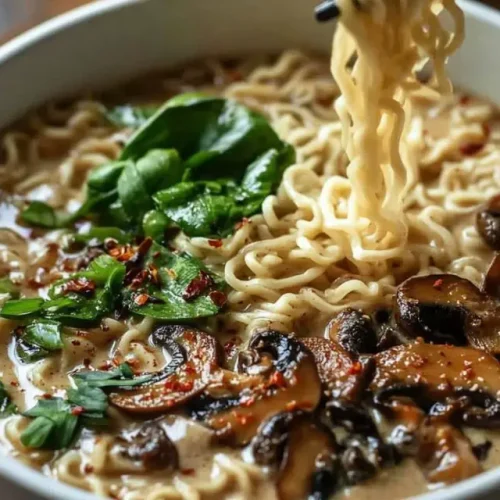
Oh, this vegan Mushroom Ramen… it’s one of those recipes that feels like a warm hug in a bowl, and honestly, it’s become a staple in my kitchen, especially on those nights when life feels a bit chaotic and I need something comforting but also ridiculously delicious. I remember the first time I really nailed it – the aroma just filled the whole house, and my partner, who’s usually pretty discerning, looked at me with wide eyes and declared it was better than any restaurant ramen he’d ever had. High praise, right? It’s funny, because when I tell people it’s vegan, they’re often surprised by the depth of flavor. It’s not just a sad, watery broth; this is the real deal. It’s the kind of dish that makes you forget you’re not eating meat, and that’s saying something! If you’ve ever felt intimidated by making ramen from scratch, or even just looking for an incredible plant-based meal, this vegan mushroom ramen is going to be your new best friend. It’s pretty much my go-to when I’m craving something deeply savory and satisfying without all the fuss.
What is vegan mushroom ramen?
So, what exactly are we talking about when I say “vegan mushroom ramen”? Think of it as a celebration of all things earthy and umami, packed into a steaming bowl of noodle goodness. It’s a plant-based take on the classic Japanese noodle soup, but we’re really leaning into the incredible natural flavors that mushrooms bring to the table. Instead of using traditional pork or chicken broths, we build a rich, complex base using a variety of mushrooms, combined with aromatics like garlic and ginger, and a secret weapon or two that I’ll share with you. The noodles are typically wheat-based ramen noodles (though we can chat about gluten-free options later!), and then we load it up with all the fixings: tender mushrooms, crisp greens, maybe some marinated tofu or edamame, and that perfect, wobbly soft-boiled egg if you’re doing an egg-free version, or a perfectly cooked ramen egg if you’re not vegan. It’s a complete meal that’s both incredibly satisfying and incredibly good for you. It’s essentially my interpretation of comfort food that’s also wholesome and nourishing.
Why you’ll love this recipe?
Honestly, there are so many reasons why this vegan mushroom ramen has earned a permanent spot in my recipe rotation. For starters, the flavor is just out of this world. We’re talking deep, savory, umami-rich broth that coats your palate and makes you want to slurp every last drop. It’s got this incredible complexity that you just wouldn’t expect from plant-based ingredients. Then there’s the simplicity of it all. I know “ramen” can sound intimidating, but this recipe breaks it down into manageable steps that even a beginner cook can master. The ingredients are surprisingly budget-friendly too, especially if you can find mushrooms on sale. We’re talking about a truly satisfying meal that won’t break the bank, which is a huge win in my book. And versatility? Oh yes. You can totally customize it to your liking. Want it spicier? Add some chili garlic sauce. Craving more greens? Toss in some Bok Choy or spinach. The possibilities are endless. What I love most about this particular recipe, though, is that it proves vegan food can be just as, if not more, exciting and flavorful as traditional comfort dishes. It’s a dish I’ve tweaked and perfected over years, and it never fails to impress, even the most skeptical eaters in my life. It’s a lifesaver on busy weeknights, but also feels special enough for a weekend treat.
How do I make vegan mushroom ramen?
Quick Overview
The beauty of this vegan mushroom ramen lies in its layered approach to flavor. We start by building a robust broth by simmering a mix of mushrooms with aromatics and savory liquids. While that’s doing its magic, we prepare our toppings – more sautéed mushrooms, some fresh greens, and any other goodies you fancy. The noodles cook up in a flash, and then it’s all about assembling that glorious bowl. It’s a process that’s more about building depth of flavor than complex techniques, making it totally achievable for anyone looking for a truly satisfying plant-based meal.
Ingredients
For the Broth Base:
You’ll want a good mix of mushrooms here. I usually go for a combination of dried shiitake (for that intense umami kick) and fresh cremini or baby bellas (for body and texture). Don’t be shy with the garlic and ginger – they’re crucial for that aromatic warmth. A splash of soy sauce or tamari, a bit of mirin for sweetness, and maybe some kombu for an extra layer of oceanic depth. A touch of toasted sesame oil at the end is non-negotiable for that classic ramen aroma.
For the Noodles & Toppings:
Fresh or dried ramen noodles are your best bet. Look for ones that cook up with a nice chew. For toppings, besides more sautéed mushrooms (shiitake, king oyster, or even enoki work wonderfully here), I love to add some vibrant greens like baby bok choy or spinach, some crisp scallions, maybe a sprinkle of nori flakes or toasted sesame seeds. If you like a little heat, some sliced fresh chili or a dollop of chili oil is fantastic. For protein, pan-fried tofu or edamame are excellent choices. And if you’re making a non-vegan version or just love eggs, a perfectly soft-boiled ramen egg is a game-changer.
For the Optional Flavor Boosters:
This is where you can really play! A tiny bit of nutritional yeast can add a cheesy, savory note to the broth. A splash of rice vinegar at the end can brighten everything up. And if you want to get really fancy, a drizzle of chili garlic sauce or some pickled ginger on the side is always a good idea.
Step-by-Step Instructions
Step 1: Build the Broth Base
Start by rehydrating your dried shiitake mushrooms in hot water for about 20-30 minutes. Once they’re soft, strain the soaking liquid through a fine-mesh sieve lined with cheesecloth or a coffee filter – this is liquid gold, don’t discard it! Coarsely chop the rehydrated shiitakes. In a large pot, heat a tablespoon of neutral oil (like canola or vegetable oil) over medium heat. Add your sliced fresh mushrooms (cremini, bellas, etc.) and cook until they’re nicely browned and have released their moisture, about 5-7 minutes. This browning step is key for developing deep flavor. Then, toss in your minced garlic and grated ginger, and sauté for another minute until fragrant. Pour in the reserved shiitake soaking liquid, plus about 6-8 cups of fresh water or vegetable broth. Add the rehydrated shiitake mushrooms, a strip of kombu (if using), soy sauce or tamari, and mirin. Bring to a simmer, then reduce the heat to low, cover, and let it gently bubble away for at least 30 minutes, or up to an hour. The longer it simmers, the deeper the flavor.
Step 2: Prepare the Toppings
While the broth is simmering, let’s get our toppings ready. If you’re using tofu, press it well and then cube it. You can pan-fry it until golden brown and slightly crispy, or even bake it. For the extra mushrooms, slice them and sauté them in a separate pan with a little oil until nicely browned. This adds another layer of mushroom flavor and texture. Wash and chop your greens – baby bok choy can be halved or quartered, spinach can be left whole. Slice your scallions thinly, separating the white parts from the green. If you’re making ramen eggs, now’s a good time to get those boiling and marinating. (I usually make mine a day ahead, they’re even better then!).
Step 3: Cook the Noodles
About 5-10 minutes before you’re ready to serve, bring a separate pot of water to a rolling boil for your noodles. Cook the ramen noodles according to package directions. It’s usually just a few minutes for fresh noodles, a bit longer for dried. Be careful not to overcook them – you want them al dente with a nice chew. Once cooked, drain them well. I sometimes give them a quick rinse in cold water to stop the cooking and prevent them from sticking together, but this is optional.
Step 4: Finish the Broth & Assemble**
Once your broth has simmered, carefully strain it again through a fine-mesh sieve, discarding the solids. Taste and adjust seasonings – you might need a pinch more salt, a dash more soy sauce, or a tiny squeeze of rice vinegar to brighten it up. Stir in a teaspoon of toasted sesame oil. Now for the fun part: assembly! Ladle the hot broth into your serving bowls. Add a portion of the cooked noodles to each bowl. Then, artfully arrange your prepared toppings over the noodles: the sautéed mushrooms, your greens, tofu or edamame, scallions, and of course, that perfect ramen egg if you’re using one. A sprinkle of toasted sesame seeds and a few nori flakes add a lovely finishing touch. Serve immediately and enjoy the symphony of flavors and textures!
Step 5: Toast the Sesame Seeds & Slice the Scallions
This is a small step, but it makes a big difference. Toasting sesame seeds in a dry skillet over medium heat for a couple of minutes until fragrant brings out their nutty flavor. Keep an eye on them, as they can burn quickly! While they’re toasting, thinly slice your scallions, separating the white parts from the vibrant green tops. The whites can be sautéed with the mushrooms for extra flavor, while the greens are perfect for a fresh, sharp garnish.
Step 6: Marinate Tofu (Optional)
If you’re adding tofu for protein, this is the time to prep it. Press out as much water as you can – this helps it absorb marinades better and get crispier. Cut it into cubes or triangles. I like to marinate it for at least 15 minutes in a mix of soy sauce, a touch of maple syrup, and some garlic powder. Then, pan-fry it in a hot skillet with a little oil until golden brown on all sides. Alternatively, you can bake it at 400°F (200°C) for about 20-25 minutes.
Step 7: Assemble Your Masterpiece
This is the moment! Get your beautiful, deep mushroom broth ready. Divide the cooked ramen noodles among your serving bowls. Pour generous ladles of the hot broth over the noodles, making sure to get some of those lovely mushroom bits in there. Now, arrange your toppings: the sautéed mushrooms, the marinated tofu, wilted greens (like spinach or bok choy), fresh scallions, a sprinkle of toasted sesame seeds, and that glorious ramen egg (if using). A little drizzle of chili oil or a dash of Sriracha on top is always a good idea if you like it spicy!
Step 8: Serve Immediately
Ramen is best enjoyed piping hot, right away. The noodles are at their peak chewiness, and the broth is wonderfully fragrant. Encourage everyone at the table to slurp away and savor every spoonful. It’s a meal that truly nourishes from the inside out.
Step 9: Add a Final Drizzle of Toasted Sesame Oil
Just before serving, a tiny drizzle of high-quality toasted sesame oil over the top of each bowl adds a beautiful sheen and an intoxicating aroma. It’s that final touch that really elevates the entire experience and brings all those lovely flavors together. Don’t skip this if you can help it!
What to Serve It With
This vegan mushroom ramen is truly a complete meal in itself, but if you’re feeling like making a bit of a spread or just want to add some complementary flavors, there are tons of great options! For a light start to the day, I sometimes serve a smaller bowl with a side of simple edamame or some pickled ginger for a zesty kick. For a more substantial brunch, consider pairing it with some crispy pan-fried gyoza (make sure they’re vegan!), or perhaps some light and refreshing cucumber salad with a sesame dressing. If you’re having it as a satisfying lunch, a simple side of fresh spring rolls filled with crisp vegetables and herbs is lovely. And for a cozy dinner, it’s wonderful alongside some crispy, savory scallion pancakes. My kids also love it with some pan-fried dumplings, which are always a huge hit. The key is to keep the sides relatively light and fresh so they don’t overpower the star of the show – our amazing ramen!
For Breakfast: While a full bowl of ramen might seem a bit hearty for some mornings, I find a slightly smaller portion works wonderfully. I love pairing it with a simple, perfectly ripe avocado on the side or some lightly seasoned pan-fried tofu cubes. A small cup of green tea or even a delicate Oolong complements the savory notes beautifully. It’s a surprisingly energizing way to start the day!
For Brunch: If you’re hosting a brunch, this ramen can be a showstopper. Serve it in individual bowls with all the beautiful toppings arranged meticulously. Alongside, consider some crisp, thinly sliced cucumber salad with a rice vinegar and sesame dressing. Or, if you want something warm, some vegan potstickers or gyoza are always a crowd-pleaser. For beverages, a refreshing cucumber-mint infused water or a sparkling sake would be delightful.
As Dessert: This is a bit unconventional, but if you’re serving a multi-course meal and the ramen is an appetizer or mid-course, you’ll want a light dessert. Think fresh fruit, a delicate mochi, or a simple sorbet. The goal is to cleanse the palate without being too heavy after the rich broth.
For Cozy Snacks: When I’m just craving a comforting snack, a small bowl of this ramen is perfect. I often just have it as is, but sometimes I’ll add a few extra pan-fried dumplings or some seasoned edamame for a bit more substance. It’s the ultimate comfort food when you need something warm and satisfying.
Top Tips for Perfecting Your Vegan Mushroom Ramen
Making absolutely delicious vegan mushroom ramen is all about layering flavors and paying attention to a few key details. First off, the mushrooms themselves are crucial. Don’t just grab any old pack! I swear by using a combination of dried shiitakes for their intense umami and fresh cremini or shiitakes for their meaty texture. Rehydrating the dried ones properly and *saving that flavorful soaking liquid* is non-negotiable – it’s like liquid gold for your broth. When you’re sautéing your fresh mushrooms, really let them brown. Don’t rush this step! That caramelization is where so much of the deep, savory flavor comes from. It’s the same with the aromatics; giving the garlic and ginger a minute or two to really bloom in the hot oil before adding liquids makes a world of difference. I also learned early on that a good ramen broth benefits from a little *patience*. Letting it simmer gently for at least 30 minutes, or even an hour, allows all those flavors to meld and deepen beautifully. Don’t be afraid to taste and adjust your broth before serving. A little more soy sauce, a pinch of salt, or a tiny splash of rice vinegar can completely transform it. For the noodles, fresh ramen noodles are usually best as they have a fantastic texture. However, if you can only find dried, make sure not to overcook them. They should have a lovely bite, not be mushy. And when it comes to toppings, get creative! While mushrooms and greens are classic, don’t hesitate to add pan-fried tofu for protein, or even some crispy fried shallots for an extra crunch. What I’ve found is that the little things, like a final drizzle of toasted sesame oil and a sprinkle of fresh scallions, really tie everything together and make it feel like restaurant-quality ramen right in your own kitchen. I’ve definitely had my share of watery, bland ramen attempts in the past, and these are the tricks I’ve picked up that make all the difference!
Mushroom Selection: The secret to a truly rich broth is using a variety of mushrooms. I always start with dried shiitakes because their flavor is incredibly concentrated and umami-rich. For the fresh component, cremini (baby bellas) are fantastic for their earthy flavor and meaty texture when sautéed. King oyster mushrooms are also a great addition; their thick stems can be sliced and scored to mimic the texture of scallops when cooked! Don’t be afraid to experiment with other varieties like maitake or even chanterelles if they’re in season. The more complex the mushroom profile, the better your broth will be.
Broth Building: Never discard the soaking liquid from your dried mushrooms! It’s packed with flavor. Just strain it carefully through a fine-mesh sieve, possibly lined with a coffee filter or cheesecloth, to remove any grit. This concentrated liquid is a game-changer for your broth. When sautéing your aromatics (garlic and ginger), give them enough time to become fragrant before adding the liquids. This blooming process releases their full flavor potential. And for the simmering time, while 30 minutes is good, an hour is even better. Low and slow is the way to go for a truly deep, developed broth.
Noodle Perfection: Fresh ramen noodles are generally superior if you can find them at an Asian market. They have a better texture and chew. If using dried, cook them just until al dente. Overcooked ramen noodles become mushy and lose their appeal. It’s better to err on the side of slightly undercooked, as they’ll continue to cook a little in the hot broth.
Topping Power: Don’t skimp on the toppings! They add texture, flavor, and visual appeal. Sautéing extra mushrooms until golden brown adds another layer of deep, caramelized flavor. Crispy pan-fried tofu or edamame provide satisfying protein. Fresh scallions, nori flakes, and toasted sesame seeds are essential for that classic ramen finish. And if you’re not strictly vegan, a perfectly cooked ramen egg (with its jammy yolk) is pure magic.
Flavor Adjustments: Taste, taste, taste! Your broth is the foundation, so make sure it’s seasoned perfectly. A splash of soy sauce or tamari for saltiness and umami, a touch of mirin or maple syrup for sweetness, and a tiny bit of rice vinegar or lime juice at the very end can brighten everything up and balance the richness. Don’t be afraid to tweak until it sings.
Spice Level Control: If you love heat, start with a mild chili oil or a pinch of red pepper flakes in the broth. You can always add more heat at the table with a dollop of chili garlic sauce or some fresh sliced chilies for those who like it fiery. It’s easier to add heat than to take it away!
Storing and Reheating Tips
This vegan mushroom ramen is absolutely fantastic for meal prep, which is one of the main reasons I love it so much! If you find yourself with leftovers (which rarely happens in my house, but it’s good to know!), storing them properly is key to maintaining that delicious flavor and texture. For refrigeration, I recommend storing the broth and toppings separately from the cooked noodles. This prevents the noodles from getting too soggy. You can keep the broth and toppings in airtight containers in the fridge for up to 3-4 days. The cooked noodles are best stored separately and can be kept for about 2 days. When you’re ready to reheat, gently warm the broth on the stovetop or in the microwave. Cook fresh noodles or reheat the pre-cooked ones separately. Then, assemble your bowl as usual. If you want to freeze portions, it’s best to freeze the broth and toppings together in individual containers. The noodles are also fine to freeze, but they might be a little softer upon reheating. Thaw overnight in the refrigerator and then reheat as described. I’ve found that freezing the broth really preserves its flavor well, and it’s such a treat to have a quick, delicious ramen ready to go on a busy evening!
Room Temperature: If you’ve made a large batch and want to serve some later in the day, the broth and cooked toppings can be kept at room temperature for about 2 hours. However, for optimal freshness and safety, it’s best to refrigerate any leftovers within that timeframe. Noodles are best served fresh, so I wouldn’t recommend leaving cooked noodles out for long periods.
Refrigerator Storage: This is your best bet for longer storage. I always separate the broth from the noodles and toppings. Store the broth in an airtight container or a large mason jar. The toppings (sautéed mushrooms, tofu, etc.) can go in another container. Keep them in the fridge for up to 3-4 days. The cooked noodles will last about 2 days if stored separately in a sealed container.
Freezer Instructions: If you want to have this on hand for an even longer time, freezing is a great option. Ladle cooled broth into freezer-safe containers or zip-top bags, leaving a little headspace for expansion. You can also freeze portions of the cooked toppings together. Noodles can be frozen separately, though they might be slightly softer when thawed. Store in the freezer for up to 2-3 months. To thaw, place the frozen components in the refrigerator overnight. Reheat gently on the stovetop or in the microwave.
Glaze Timing Advice: If your recipe includes a glaze that you’d add after cooking, it’s best to store it separately. If it’s a glaze that gets baked into something, then it would be stored with the item. For ramen, any finishing drizzles like chili oil or sesame oil are best added fresh before serving, rather than stored with the leftovers.
Frequently Asked Questions
Final Thoughts
There you have it – my ultimate vegan mushroom ramen recipe! I truly hope you give this a try because, for me, it’s so much more than just a meal. It’s that delicious comfort I crave, made with simple, wholesome ingredients that pack a serious flavor punch. It’s proof that plant-based cooking can be incredibly satisfying and exciting. Whether you’re a seasoned vegan cook or just dipping your toes into plant-based eating, this ramen is guaranteed to impress. I love hearing from you all, so if you make this, please tag me or leave a comment below! I’m always curious to hear about your variations and what you love most about it. If you enjoyed this, you might also like my recipe for the creamy vegan pho or my easy vegetable stir-fry – they’re also great for weeknight dinners! Until next time, happy cooking and enjoy every slurp!
Vegan Mushroom Ramen
Ingredients
For the Broth
- 6 cups vegetable broth
- 0.25 cup low-sodium soy sauce or tamari for gluten-free
- 2 tablespoons mirin
- 1 tablespoon rice vinegar
- 1 inch fresh ginger sliced
- 4 cloves garlic smashed
- 1 sheet kombu optional, for extra umami
- 1 tablespoon white miso paste
For the Ramen & Toppings
- 8 ounces cremini mushrooms sliced
- 4 ounces shiitake mushrooms stems removed, sliced
- 2 tablespoons sesame oil
- 4 ounces firm tofu pressed, cubed, and pan-fried (optional)
- 4 servings ramen noodles dried or fresh
- 4 green onions sliced
- 2 sheets nori cut into strips
- 0.5 cup corn kernels frozen or fresh
- 1 tablespoon chili oil optional, for spice
- fresh cilantro chopped, optional
Instructions
Preparation Steps
- In a large pot, combine vegetable broth, soy sauce, mirin, rice vinegar, ginger, garlic, and kombu (if using). Bring to a simmer over medium heat, then reduce heat to low, cover, and let it steep for 15-20 minutes to infuse flavors. Strain out solids and discard.
- While the broth simmers, heat sesame oil in a separate large skillet over medium-high heat. Add sliced cremini and shiitake mushrooms. Sauté for 5-7 minutes until mushrooms are browned and tender. If using tofu, add it to the pan with the mushrooms and cook until lightly golden and crispy.
- Bring a separate pot of water to a rolling boil. Cook ramen noodles according to package directions, typically 2-3 minutes. Drain well and set aside.
- Return the infused broth to a low simmer. Whisk in the white miso paste until fully dissolved and the broth is smooth. Taste and adjust seasonings if needed, adding more soy sauce or mirin to your preference.
- To assemble, divide the cooked ramen noodles evenly among 4 serving bowls. Ladle the hot, flavorful broth over the noodles.
- Artfully arrange the sautéed mushrooms (and tofu, if using), sliced green onions, strips of nori, and corn kernels on top of each bowl. Drizzle with chili oil and garnish with fresh cilantro, if desired. Serve immediately and enjoy!