There’s something about the smell of beef stew simmering on the stove that takes me right back to my childhood kitchen—my mom bustling around, the cozy hum of family chatting at the table, and that gorgeous steam rising with promises of comfort. If you’ve ever craved a meal that’s like a big, warm hug after a long day, then this beef stew recipe will be your new best friend. It’s got this rich, slow-cooked depth of flavor that’s just irresistible, but don’t worry, the method isn’t as intimidating as it looks. I often find beef stew way more forgiving than my attempts at fancy roasts or soufflés—and it always feels like a win when I serve it up. My kids actually ask for seconds most times, which is honestly the best compliment for a busy weeknight meal. This stew is like a heartier, meatier cousin to classic chicken soup, but with a beefy, wine-infused twist that’s a total crowd-pleaser.
What is Beef Stew?
Think of beef stew as the ultimate comfort food pot—chunks of tender beef slow-cooked to fall-off-the-fork perfection, swimming alongside hearty vegetables and a savoury broth that’s both rich and full-bodied. Essentially, it’s a one-pot meal that’s all about layering flavors and patience—no rushed meals here. The name “stew” just means meat and vegetables slow-simmered together until everything melds into a thick, cozy sauce that hugs your spoon with every bite. It’s super approachable, too; even if you’re new to cooking, the process is very forgiving and you can tweak it based on what veggies or herbs you have on hand. To me, beef stew is that classic dish everyone seems to have a slightly different version of, but the heart of it is always the same: tender beef, savory broth, and something that warms your soul.
Why you’ll love this recipe?
What I love most about this beef stew is how it manages to balance incredible flavor with easy, no-fuss cooking. Seriously, there’s something magical about browning your beef in batches to get those browned edges that give the stew its deep, caramelized flavor. Then, you just gather your hearty staples—carrots, potatoes, celery—and add a splash of wine (or extra broth if you’re skipping it) that makes the whole kitchen smell dreamy. Unlike some stew recipes that feel heavy or greasy, this one stays rich but light enough that you won’t feel bogged down after a serving or two.
Simplicity is key here. I love that you can assemble almost everything in one pot, letting it slowly bubble away while you catch up on your favorite podcast or unwind with a book. Plus, it’s budget-friendly—the cuts of beef I use aren’t fancy, but they turn out spectacularly tender and flavorful with a patient cook time. And versatility! Leftovers transform into a killer shepherd’s pie topping or get spooned over buttery mashed potatoes the next day, which means no food waste around here.
My family’s other standby is a classic chicken noodle soup, but honestly, when the weather chills, nothing beats the hearty, meaty charm of this beef stew. It’s the kind of meal that makes you slow down and savor—plus, it disappears in minutes at my house every time.
How do I make Beef Stew?
Quick Overview
Here’s the gist: you start by browning your beef chunks in batches for that deep, savory crust, which packs a serious flavor punch. Then you build your stew by layering in onions, garlic, hearty veggies like carrots and potatoes, and a splash of wine or broth to deglaze the pan—the secret to capturing all those yummy browned bits. After adding herbs and seasoning, the whole lot simmers slowly (ideally for a couple of hours) until the beef is meltingly tender and the broth has thickened into a luscious sauce. The method isn’t complicated, and it lets you do other things while it cooks. Trust me, this one’s a lifesaver on busy nights when you want comfort food without fussing over a ton of steps.
Ingredients
For the Beef Stew:
- 2 pounds beef chuck, cut into 1.5-inch cubes (look for well-marbled pieces for that tender juicy bite)
- 2 tablespoons vegetable oil or olive oil (for browning)
- 1 large onion, diced (adds sweetness and depth)
- 3 cloves garlic, minced (for that aromatic punch)
- 3 large carrots, peeled and chopped into chunks (comforting sweetness!)
- 3 medium Yukon gold potatoes, peeled and cubed (hold their shape nicely while getting creamy inside)
- 2 stalks celery, sliced (adds subtle earthiness)
- 2 cups beef broth (homemade or store-bought, rich and savory)
- 1 cup dry red wine (optional but so worth it, adds beautiful complexity)
- 2 tablespoons tomato paste (thickens and deepens flavor)
- 1 teaspoon dried thyme (or fresh, if you have it)
- 2 bay leaves (classic stew flavor enhancer)
- Salt and freshly ground black pepper to taste
Step-by-Step Instructions
Step 1: Brown the Beef
Begin by patting your beef cubes dry with paper towels—trust me on this, it’s key to getting a nice sear. Heat your oil in a large, heavy-bottomed pot over medium-high heat. Don’t crowd the pan; brown the beef in batches so it caramelizes beautifully instead of steaming. Each side should develop that deep, roasted color, about 3–4 minutes per batch. Set browned cubes aside on a plate.
Step 2: Sauté Onions and Garlic
In the same pot, toss in the onions, reducing heat slightly. Stir and scrape up those tasty browned bits from the beef. After a few minutes, add the garlic and cook for another 30 seconds until fragrant—you want that aroma to fill your kitchen, signaling good things to come.
Step 3: Deglaze with Wine and Tomato Paste
Pour in the red wine (or just use broth if you’re keeping it alcohol-free), scraping the bottom with a wooden spoon to release all those flavors. Stir in tomato paste and cook for about 2 minutes to deepen its flavor and slightly thicken the mixture.
Step 4: Return Beef and Add Broth and Herbs
Pop the browned beef back into the pot, then add your beef broth, thyme, bay leaves, salt, and pepper. Bring everything to a simmer, then cover and lower the heat to maintain a gentle bubble.
Step 5: Add Vegetables
After about an hour of simmering (or when the beef is just starting to tenderize), throw in the carrots, potatoes, and celery. Keep the lid on and let everything cook slowly for another 45 minutes to an hour until the veggies are tender and the beef is fall-apart soft.
Step 6: Adjust Seasonings and Thicken (Optional)
Give your stew a taste, tweak salt or pepper if needed. If you like your stew a bit thicker, mix a tablespoon of flour or cornstarch with cold water and stir it in, simmering until it reaches your desired consistency.
Step 7: Serve and Enjoy
Remove bay leaves, ladle the stew into big bowls, and top with freshly chopped parsley if you’re feeling fancy. This stew smells amazing and makes your kitchen feel like the coziest place on earth. I always serve it with crusty bread to mop up every last drop—no droplet wasted here.
What to Serve It With
For Casual Weeknight Dinners: I keep it simple—just crusty French or sourdough bread because soaking up the stew juices is basically dessert in itself. My kids love it with a side of buttery green beans or peas, something bright to offset the richness.
For Weekend Comfort: Pair your stew with creamy mashed potatoes or fluffy rice if you want to stretch it out and make the meal even more filling. A side salad with sharp vinaigrette adds a crisp contrast.
For Special Gatherings: Serve with glazed roasted carrots and a robust red wine. If you’re feeling festive, a rich mushroom gravy poured over the stew bowls gives an extra toastiness that guests rave about.
For Cozy Snacking: Leftover stew spooned over warm buttered toast or inside a baked potato creates a cozy twist that’s reminded me of many lazy Sunday lunches with family.
Our family’s ritual often involves these simple, homey sides that let the stew shine without competing flavors. Honestly, the smell alone brings everyone running to the table faster than you can say “dinner’s ready.”
Top Tips for Perfecting Your Beef Stew
Choose the Right Beef: Look for chuck or brisket with good marbling. These cuts melt during slow cooking and turn incredibly tender. I learned the hard way that lean cuts just don’t work as well—they end up tough and dry.
Don’t Skip Browning: This step builds the flavor foundation. Pro tip: dry the beef before browning, and make sure your pan is hot enough to get that glorious crust.
Layer Your Flavors: Deglazing with wine or broth pulls all those sticky, browned bits off the pan—don’t just throw the liquid in and walk away! Stir up those “fond” bits to infuse the stew with rich complexity.
Don’t Rush the Simmer: The magic happens during low, slow cooking. Give your stew at least 2 to 3 hours, and keep the heat gentle to avoid toughening the meat.
Veggie Timing Matters: Add your root vegetables in the last 45 minutes or so. If you add them too early, they’ll turn to mush, which is fine sometimes but I like mine chunky and distinct.
Adjust Thickness Thoughtfully: A quick slurry of cornstarch or flour can thicken your stew if it’s a little thin, but wait until the end and add in small amounts—you can always add more but you can’t take it out!
Wine Swaps: Don’t have red wine? No stress—extra broth or a splash of balsamic vinegar gives a nice tang and depth without the alcohol.
Herb Freshness: Fresh thyme or rosemary dramatically lifts the stew. If you only have dried, no worries, just add a little less and consider a bay leaf or two to round it out.
I’ve baked this stew countless times and over the years learned to trust the slow-simmer method and quality cuts. If you’re ever in doubt about salt, add less—you can always boost it at the end. The stew will taste even better the next day, so don’t be afraid to make a big batch!
Storing and Reheating Tips
Room Temperature: If you’re serving right away, the stew is best eaten within 2 hours of cooking. Cover it loosely to keep the top from drying out, but don’t leave it on the counter longer.
Refrigerator Storage: Store leftovers in an airtight container; it keeps wonderfully for 3-4 days. Reheat gently on the stovetop, stirring occasionally, so it warms through without breaking apart the meat too much.
Freezer Instructions: This stew freezes beautifully. Portion it out in freezer-safe containers or bags, leaving some space for expansion. It keeps well up to 3 months—thaw overnight in the fridge, then reheat slowly on the stove.
Glaze Timing Advice: This isn’t a glazed dish per se, but if you’re adding a finishing touch like fresh herbs or a splash of acid (lemon juice or vinegar), add those just before serving, not before storing.
From my experience, reheated stew often tastes deeper and more comforting than the first day—imagine those flavors really having time to mingle overnight. Just be careful not to boil it again, or you risk drying it out.
Frequently Asked Questions
Final Thoughts
Sharing this beef stew recipe feels like passing on a little family tradition wrapped in warmth and good memories. It’s one of those dishes that’s more than just food—it’s a way to slow down, nourish your soul, and gather loved ones around the table. The best part? It’s adaptable, budget-friendly, and forgiving—a perfect combo for any home cook who wants a reliable, delicious meal without stress.
If you give it a go, I’d love to hear how it turns out—do you add a twist of your own? How did your family react? Drop your thoughts and favorite pairings below, and if you want, explore my other stew or slow-cooking recipes that my crew can’t get enough of. Until then, happy cooking and here’s to many cozy, flavorful dinners ahead!
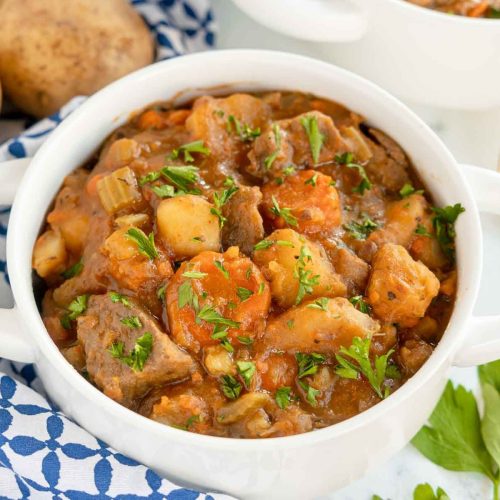
beef stew
Ingredients
Main Ingredients
- 1 lb beef stew meat
- 1 TBS olive oil
- 4 medium carrots peeled and cut into 1 inch pieces
- 4 ribs celery cut into 1 inch pieces
- 4 cloves garlic minced
- 1 tsp kosher salt
- 1 tsp dried thyme
- 1 tsp dried oregano
- 1 tsp garlic powder or garlic granules
- 0.5 tsp smoked paprika
- 0.5 tsp fresh ground black pepper
- 1 bay leaf bay leaf
- 2 TBS flour
- 4 cups low-sodium beef broth divided
- 1 TBS sugar
- 4 medium russet potatoes peeled and cut into 1 inch cubes
Instructions
Preparation Steps
- Heat a large soup pot or Dutch oven over medium-high heat.
- Pat beef stew meat dry with paper towels.
- Add beef in a single layer to the pot and brown each side for about 5 minutes total. Do not crowd the meat; brown in batches if needed. Remove browned beef and set aside.
- Add olive oil to the pot and stir to coat the bottom.
- Add carrots, celery, and a pinch of salt. Cook for 4 minutes, stirring frequently until vegetables lightly brown.
- Add minced garlic, dried thyme, oregano, garlic powder, smoked paprika, and black pepper. Cook for 1 minute, stirring constantly.
- Return beef and any accumulated juices to the pot.
- Sprinkle flour over the mixture and stir for 3 minutes until flour dissolves.
- Deglaze the pot with 1 cup of beef broth, scraping up browned bits from the bottom.
- Add remaining beef broth and sugar. Bring to a boil.
- Cover pot, reduce heat to medium-low, and simmer for 60 minutes.
- Add potatoes to stew, stir, bring back to simmer, and cook for an additional 60 minutes until beef and potatoes are tender.
- Discard bay leaf. Adjust salt to taste. Serve warm.