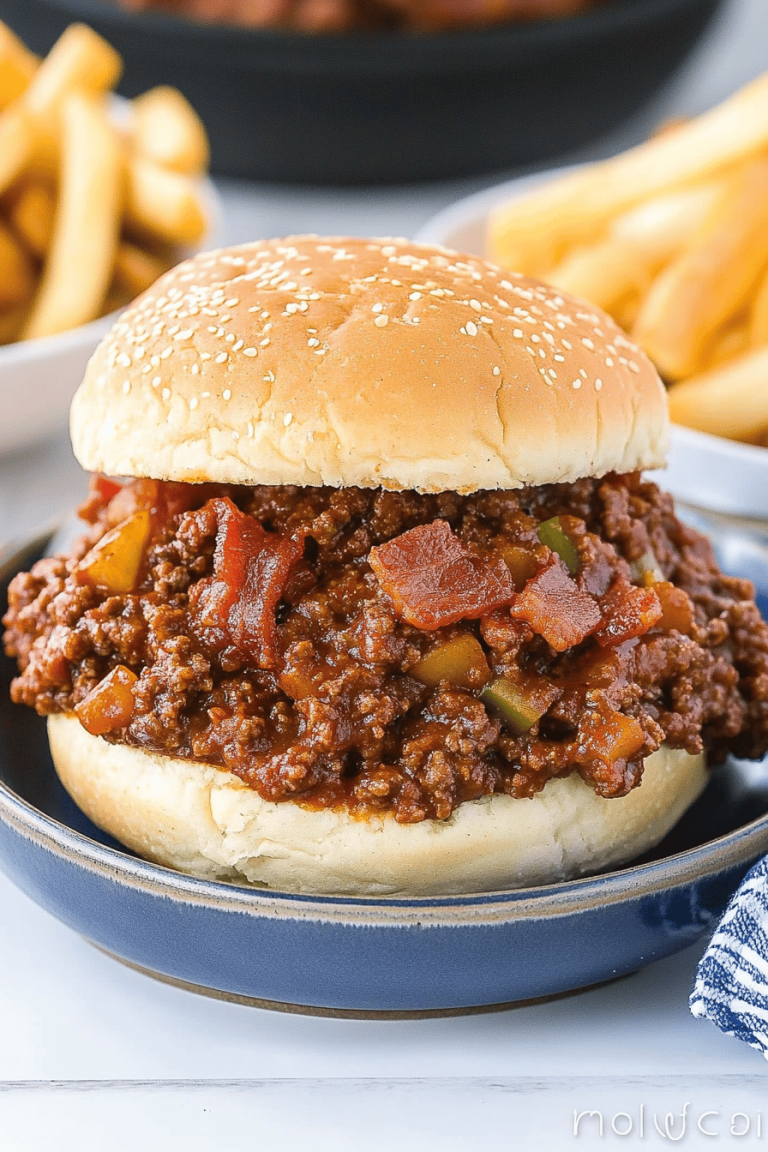
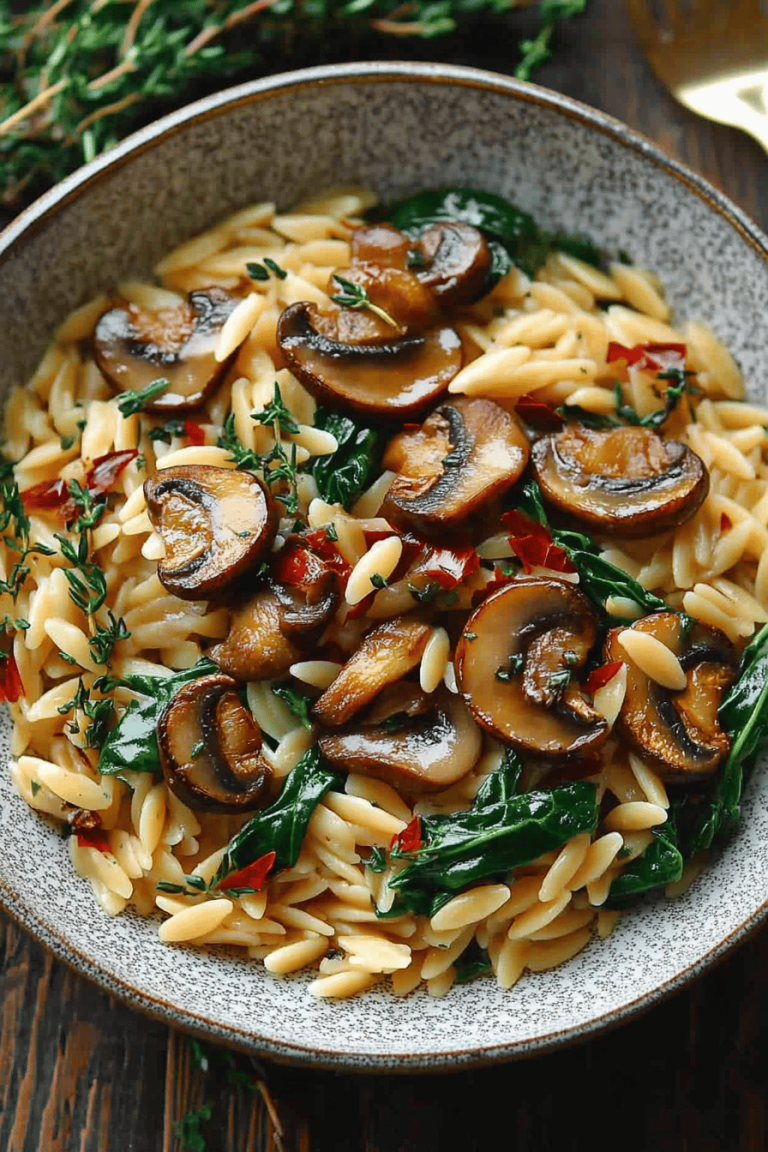
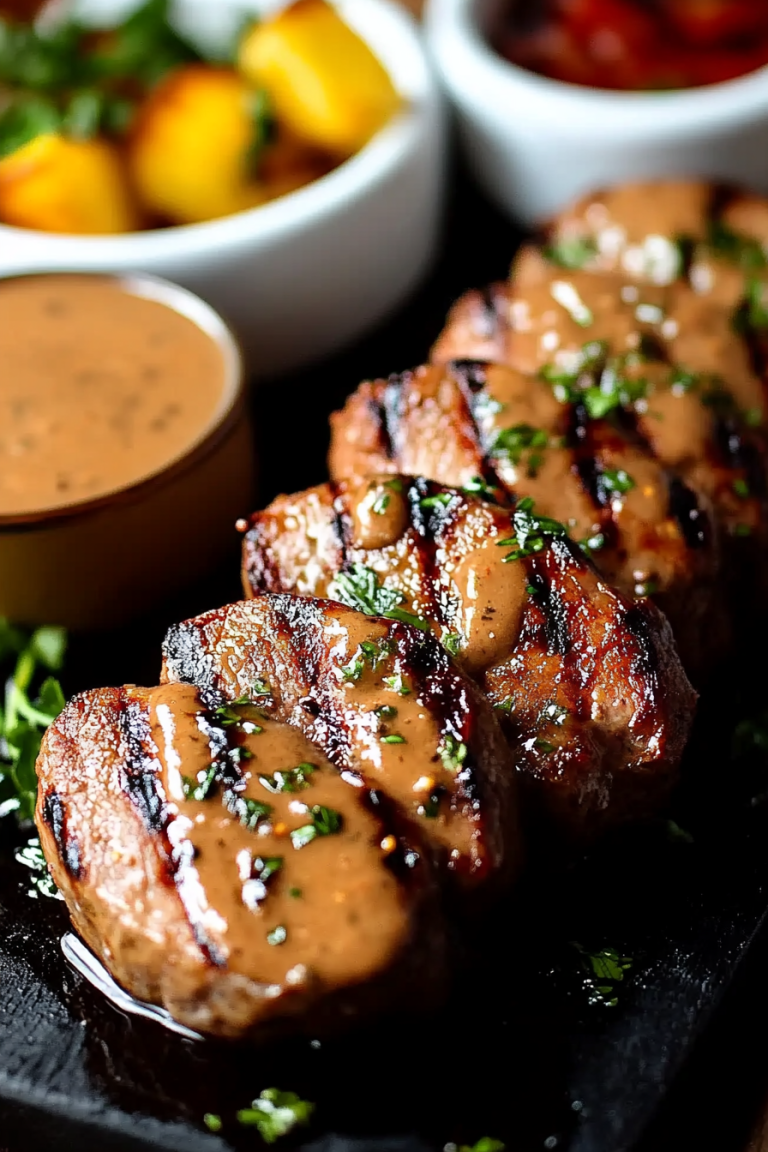
Oh, where do I even begin with Grandma’s Goulash? This isn’t just a recipe; it’s a warm hug in a bowl, a ticket back to my childhood kitchen filled with the most incredible aromas. I remember being small, my nose practically glued to the oven door, waiting for that deep, rich scent to waft out. It’s one of those dishes that feels like pure comfort, like a cozy blanket on a chilly evening. Honestly, if you’re looking for a meal that truly satisfies, that feels both rustic and incredibly sophisticated all at once, then this Grandma’s Goulash is absolutely it. It’s like the ultimate beef stew, but with this amazing Hungarian twist that makes it so much more. Forget those fancy, complicated dishes that leave you stressed; this is the real deal, the kind of food that brings people together. It’s a classic for a reason, and once you try it, I promise you’ll understand why it holds such a special place in my heart, and hopefully, soon in yours too!
What is Grandma’s goulash?
So, what exactly is this magical dish we call Grandma’s Goulash? At its heart, it’s a slow-cooked stew, primarily featuring tender chunks of beef simmered in a rich, savory broth. But the magic really comes from the generous use of paprika – and not just any paprika, we’re talking sweet, Hungarian paprika, which gives it that signature gorgeous red hue and a flavor that’s both earthy and slightly sweet, with a hint of smoky depth. Think of it as a deeply flavorful, hearty stew that’s incredibly satisfying without being heavy. It’s the kind of dish that evolves as it cooks, with the flavors melding and deepening into something truly special. The name “Goulash” actually comes from the Hungarian word “gulyás,” which refers to a herdsman. Traditionally, it was a simple, nourishing meal cooked by these herdsmen over an open fire. My Grandma took this humble dish and elevated it, making it a centerpiece of our family gatherings. It’s essentially a love letter to simple, honest ingredients cooked with patience and care.
Why you’ll love this recipe?
There are so many reasons why this Grandma’s Goulash Recipe has become my absolute go-to, and I just know you’re going to fall in love with it too. First off, the **flavor**. Oh my goodness, the flavor! It’s this incredible symphony of savory beef, sweet onions, earthy spices, and that essential paprika. It’s complex without being complicated, and it just coats your palate in the most comforting way. Every bite is like a warm embrace. Then there’s the **simplicity**. Don’t let the “stew” aspect fool you; while it does take time to cook, the actual hands-on work is surprisingly minimal. You brown the meat, sauté some onions, add everything to the pot, and let it do its magic. It’s the perfect recipe for when you have a busy day ahead but still want a homemade, incredible meal waiting for you. What I love most about this is that it’s also incredibly **cost-efficient**. You’re using relatively humble ingredients – beef, onions, potatoes, carrots – and transforming them into something truly extraordinary. It’s a fantastic way to feed a crowd without breaking the bank. And let’s talk about **versatility**! This goulash is wonderful on its own, but it’s also amazing served over egg noodles, with a dollop of sour cream, or even alongside some crusty bread for dipping. You can easily adapt it to your liking by adding different vegetables or adjusting the spice level. It’s a forgiving recipe, which is a huge win in my book. Honestly, compared to something like a pot roast, which can be lovely but sometimes a bit one-dimensional, this goulash has layers of flavor that keep you coming back for more. It’s the ultimate comfort food, the kind of dish that makes your kitchen smell like pure happiness.
How do I make Grandma’s Goulash?
Quick Overview
Making Grandma’s Goulash is all about building layers of flavor and then letting time do the heavy lifting. We’ll start by browning our beef to lock in all that deliciousness, then sautéing onions until they’re sweet and golden. The key is adding plenty of good quality paprika at just the right moment. Everything then simmers away slowly until the beef is fall-apart tender and the broth is rich and deeply flavored. It’s a straightforward process that requires a bit of patience but yields incredibly rewarding results. You don’t need any fancy equipment, just a good heavy-bottomed pot and a desire for some seriously comforting food.
Ingredients
For the Main Stew: What is the best way to prepare a good main stew?
2.5 – 3 lbs beef chuck roast, cut into 1.5-inch cubes. Look for good marbling; it makes all the difference for tenderness. You can also use stewing beef.
2 tablespoons Olive oil or vegetable oil.
2 large yellow onions, thinly sliced. Don’t be shy with the onions; they caramelize and add so much sweetness.
3-4 cloves garlic, minced. Fresh garlic is a must here!
3 tablespoons sweet Hungarian paprika. This is the star! Use the good stuff if you can find it.
1 tablespoon smoked paprika (optional, but adds a lovely depth).
1 teaspoon caraway seeds (optional, but very traditional and delicious).
1 teaspoon dried marjoram.
1 bay leaf.
4 cups beef broth. Low-sodium is fine, you can adjust seasoning later.
1 (14.5 ounce) can diced tomatoes, undrained. These add a lovely tang.
1 tablespoon tomato paste. For extra tomato flavor concentration.
Salt and freshly ground black pepper, to taste.
1 pound Yukon Gold potatoes, peeled and cut into 1-inch chunks.
3 large carrots, peeled and cut into 1-inch chunks.
For Serving (Optional but Highly Recommended):
Sour cream or plain Greek Yogurt.
Fresh parsley, chopped, for garnish.
Crusty bread or egg noodles.
Step-by-Step Instructions
Step 1: Brown the Beef
Pat your beef cubes dry with paper towels. This is a crucial step for getting a good sear, which means more flavor! Season generously with salt and pepper. Heat the olive oil in a large, heavy-bottomed pot or Dutch oven over medium-high heat. Working in batches, add the beef cubes and brown them on all sides until nicely caramelized. Don’t overcrowd the pot; you want to sear, not steam. Remove the browned beef to a plate and set aside.
Step 2: Sauté the Onions and Spices
Reduce the heat to medium. Add the sliced onions to the same pot (add a little more oil if needed). Cook, stirring occasionally, until the onions are softened and starting to turn golden brown, about 8-10 minutes. This caramelization adds a wonderful sweetness. Add the minced garlic, sweet paprika, smoked paprika (if using), caraway seeds (if using), and marjoram. Cook for another minute, stirring constantly, until fragrant. Be careful not to burn the paprika, as it can turn bitter.
Step 3: Deglaze and Add Liquids
Pour in about half a cup of the beef broth and scrape up any browned bits from the bottom of the pot – this is where so much flavor is hiding! Return the browned beef and any accumulated juices to the pot. Add the remaining beef broth, diced tomatoes, tomato paste, and the bay leaf. Stir everything together.
Step 4: Simmer Low and Slow
Bring the mixture to a gentle simmer. Once simmering, reduce the heat to low, cover the pot tightly, and let it cook for at least 1.5 to 2 hours, or until the beef is starting to get tender. Stir occasionally to prevent sticking. The longer it simmers, the more tender the beef will become and the richer the flavors will be.
Step 5: Add Vegetables
After the beef has simmered for about 1.5-2 hours, add the potato and carrot chunks to the pot. Stir them in, making sure they are mostly submerged in the liquid. If the stew seems too thick, you can add a little more beef broth or water. Continue to simmer, covered, for another 45-60 minutes, or until the potatoes and carrots are tender and the beef is incredibly fork-tender. You should be able to easily shred it with a fork.
Step 6: Adjust Seasoning and Thicken (if needed)
Remove the bay leaf. Taste the goulash and adjust seasoning with salt and freshly ground black pepper as needed. If you prefer a thicker stew, you can mash a few potato chunks against the side of the pot, or create a slurry with 1 tablespoon of cornstarch mixed with 2 tablespoons of cold water and stir it into the simmering stew until thickened. However, I usually find it thickens nicely on its own.
Step 7: Rest and Serve
Let the goulash rest off the heat for about 10-15 minutes before serving. This allows the flavors to meld even further. Ladle the rich, hearty goulash into bowls. Serve hot, topped with a generous dollop of sour cream or greek yogurt and a sprinkle of fresh parsley. It’s absolutely divine served with crusty bread for dipping or over a bed of fluffy egg noodles.
What to Serve It With
Grandma’s Goulash is such a versatile dish, and the accompaniments can really elevate the experience. For **breakfast**, it might sound a little unconventional, but a small portion of leftover goulash can be incredibly satisfying, especially if you pair it with a perfectly poached egg on top. The richness of the stew with the runny yolk is just heavenly. Think of it as a more rustic, European take on a savory breakfast bowl. On a relaxed **brunch** setting, I love serving it with a side of fluffy, homemade biscuits or even some light, crusty rolls. The idea is to have something to soak up every last drop of that glorious sauce. A simple green salad with a light vinaigrette can also cut through the richness beautifully. For a more formal **dessert** course, you might think this is odd, but honestly, a lighter, smaller serving of goulash can be a delightful surprise after a lighter main course – it’s unexpected and memorable. However, most often, it stands on its own as the star. For those cozy **snack** moments, especially on a cold afternoon or evening, a mug of goulash with some sharp cheddar cheese on the side feels like pure bliss. My family tradition is to always have a big bowl of it with some crusty sourdough bread on the side. We just tear off pieces and dip them in, and it’s pure happiness. Another favorite pairing is with wide egg noodles, which really hold onto the sauce. I’ve even tried it with mashed potatoes, and while delicious, the noodles feel a bit more traditional and just *right*.
Top Tips for Perfecting Your Grandma’s Goulash
Making this goulash consistently delicious is all about a few key techniques and understanding what makes it tick. For the **beef prep**, I can’t stress enough how important it is to get a good sear. Don’t overcrowd your pan; brown the meat in batches. This creates those lovely brown bits on the bottom of the pot that we’ll use later – that’s pure flavor! Also, make sure your beef is relatively dry before it hits the hot oil. For **mixing advice**, the biggest tip I can give you is to be patient with the onions. Let them caramelize properly; that sweetness is crucial for balancing the savory flavors. When you add the paprika, make sure your heat is low and you stir constantly. Burning the paprika is the quickest way to ruin the flavor, giving it a bitter edge. Trust me, I’ve done it! I’ve learned that sometimes letting the stew simmer for an extra 30 minutes can make a world of difference in tenderizing the beef. If your stew isn’t quite as thick as you’d like, mashing a few pieces of potato against the side of the pot is a fantastic, natural way to thicken it without needing flour or cornstarch. For **ingredient swaps**, while sweet Hungarian paprika is essential, if you can’t find it, a good quality regular sweet paprika will work, but it won’t have quite the same depth or vibrant color. You can add a pinch of cayenne pepper if you like a little heat, or even some gochugaru (Korean chili flakes) for a different kind of warmth. For **baking tips** (or rather, simmering tips), a heavy-bottomed Dutch oven is your best friend here. It distributes heat evenly and holds it well, essential for slow cooking. If you don’t have one, a large, sturdy pot with a tight-fitting lid will also work. Make sure your heat is truly low; you want a gentle, lazy simmer, not a rolling boil. Overcooking the vegetables too quickly can make them mushy, so adding them in the last hour is key. And for **seasoning**, taste, taste, taste! Beef broth can vary in saltiness, so always adjust at the end. A little bit of extra salt can really make all the other flavors pop.
Storing and Reheating Tips
This Grandma’s Goulash is a fantastic candidate for making ahead, as the flavors actually deepen and improve overnight. For **room temperature storage**, it’s best to let it cool completely before covering it. Once cool, you can leave it out for a maximum of two hours. After that, it really needs to be refrigerated for safety. **Refrigerator storage** is where this dish shines. Once completely cooled, transfer the goulash to an airtight container. It will keep beautifully in the fridge for up to 3-4 days. The flavors really develop beautifully during this time, so it’s often even better on day two! When it comes to **freezer instructions**, this stew freezes exceptionally well. Let it cool completely, then portion it into freezer-safe containers or heavy-duty freezer bags. Squeeze out as much air as possible to prevent freezer burn. It can be stored in the freezer for up to 2-3 months. When you’re ready to thaw, the best method is to transfer it from the freezer to the refrigerator overnight. Then, reheat gently. For **reheating**, the stovetop is my preferred method. Transfer the goulash to a pot and heat gently over medium-low heat, stirring occasionally, until heated through. If it seems a bit thick after refrigerating or thawing, you can add a splash of beef broth or water to loosen it up. You can also reheat it in the microwave, covered, in 1-2 minute intervals, stirring in between. For **glaze timing advice**, since goulash doesn’t have a glaze in the traditional sense, the best advice is to add any fresh garnishes like parsley *after* reheating to keep them bright and fresh. If you’re topping with sour cream, add that right before serving.
Frequently Asked Questions
Final Thoughts
There you have it – my beloved Grandma’s Goulash. This recipe is more than just a meal; it’s a tradition, a comfort, and a delicious reminder of the power of simple, well-loved ingredients. I truly hope you give this a try, because the depth of flavor you get from just a few hours of simmering is truly remarkable. It’s the kind of dish that makes your house smell amazing and your family feel extra special. If you’re looking for other comforting, slow-cooked meals, you might also enjoy my Slow Cooker Pot Roast or my Classic Beef Stew. They share that same soul-warming quality. I can’t wait to hear what you think! Please leave a comment below with your thoughts, any variations you tried, or how your family enjoyed it. Happy cooking, and may your kitchens be filled with delicious aromas!
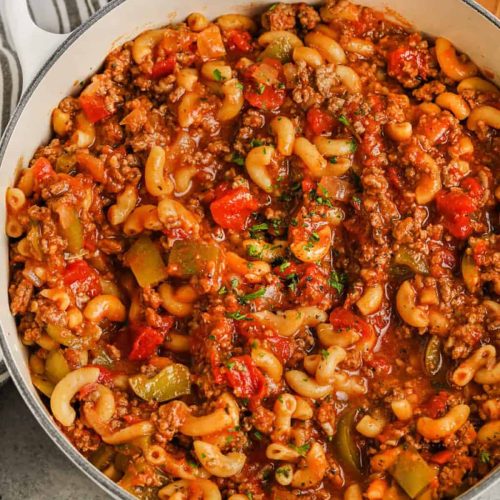
Grandma's Goulash
Ingredients
Main Ingredients
- 1 pound lean ground beef
- 1 large yellow onion chopped
- 2 cloves garlic minced
- 2 cups marinara sauce or tomato based pasta sauce
- 2 cups beef broth or water, more as needed
- 1 can diced tomatoes 14 ounce, with juices
- 3 tablespoons tomato paste
- 1 each green bell pepper diced, optional
- 1.5 teaspoons Italian seasoning
- 1 each bay leaf 2 if small
- 0.5 teaspoon salt
- 0.25 teaspoon black pepper
- 8 ounces elbow macaroni uncooked
- 0.5 cup shredded cheddar cheese or mozzarella cheese, optional
Instructions
Preparation Steps
- In a Dutch oven or a large skillet with a lid, cook the ground beef, onion, and garlic over medium-high heat until no pink remains. Drain any fat.
- Add the marinara sauce, broth, diced tomatoes with juices, tomato paste, bell pepper (if using), Italian seasoning, bay leaf, salt, and pepper. Bring to a boil over medium-high heat.
- Add the elbow macaroni, reduce the heat to medium-low, cover, and simmer for 10 minutes, stirring occasionally.
- Uncover and simmer for an additional 5 to 10 minutes or until the pasta is tender.
- Remove & discard the bay leaf. Top with cheese if using, and replace the lid. Let rest for about 5 minutes or until the pasta has thickened and the cheese is melted. Serve warm.