There’s something about the first whiff of caramelized pork simmering with fragrant soy and ginger that instantly transports me back to bustling Asian street markets I wandered through on a trip years ago. This sticky Asian pork is one of those recipes that feels fancy but comes together with surprisingly little fuss. I always have a batch simmering during the week because it’s the kind of dish that wraps you in warmth and gets everyone gathering around the table without even trying. Honestly, it’s my go-to comfort food when I want something soul-satisfying but without hours of slaving away. If you love classic pulled pork but want a flavor punch with a sweeter, tangier kick, this one’s going to steal your heart.
What Is Sticky Asian Pork?
Think of sticky Asian pork as a beautiful blend of tender pork belly or shoulder, slowly cooked until it’s falling-apart soft, drenched in a rich, sticky sauce that’s a little sweet, a little salty, and bursting with umami. The “sticky” part comes from the thickened glaze made of soy sauce, honey or brown sugar, garlic, and often a splash of rice wine vinegar or hoisin for that signature tang. It’s essentially an Asian take on slow-cooked pork — a perfect balance of caramelization and deep flavors that just melt in your mouth. The name might sound fancy, but this dish really brings simple ingredients to life in the most satisfying way imaginable.
Why You’ll Love This Recipe
Let me tell you, what I love most about this Asian pork is how effortless it is to get restaurant-worthy flavors at home without breaking a sweat. The taste? Oh, it’s that wondrous mix of sweet, salty, and savory with a hint of smokiness from slowly caramelizing sugars that just clings to every bite. It’s the kind of dish that has your family asking for seconds (and thirds!) without you having to do any fancy plating. Plus, the simplicity is unbeatable — once you have your sauce prepped, the pork does the hard work in the oven or slow cooker while you kick back for a bit. It’s such a budget-friendly dish, too — pork shoulder or belly is affordable, and the pantry staples in the sauce are probably already in your kitchen.
It’s also crazy versatile. I’ve served this over fluffy jasmine rice, stuffed it into bao buns with pickled veggies, and even tossed it with noodles for a quick dinner. If you’re a fan of recipes like Korean BBQ pork or char siu but want something quicker and less intimidating, this sticky Asian pork is pure magic. Every time I make it, the way the kitchen fills with that rich aroma is pure happiness—and trust me, it disappears in minutes.
How to Make Sticky Asian Pork
Quick Overview
Here’s the rundown: the magic happens by marinating pork chunks or slices in a simple, flavorful sauce, then slow cooking or baking it low and slow until the meat is tender and the sauce thickens into a luscious glaze. The technique is forgiving, which I love—perfect if you’re juggling life but still want to impress dinner guests or treat your family. No fancy ingredients or skills required, just patience and love.
Ingredients
For the Pork:
- 2 lbs pork belly or pork shoulder: I prefer belly for its richness, but shoulder works well too—look for well-marbled pieces at your butcher or grocery store.
- 2 tablespoons vegetable oil: For a quick sear to build flavor before slow cooking.
For the Sauce:
- 1/3 cup soy sauce: Use regular soy for that deep, salty kick. Low sodium works if you want to watch salt.
- 1/4 cup honey or brown sugar: Honey adds a floral sweetness while brown sugar brings a molasses note—both lovely here.
- 3 cloves garlic, minced: Always fresh for that punch.
- 1 tablespoon ginger, grated: This brightens up the sauce beautifully.
- 2 tablespoons rice wine vinegar: Gives the glaze a subtle tang that balances the sweetness.
- 1 tablespoon hoisin sauce (optional): Adds complexity and a subtle smoky sweetness.
- 1 teaspoon toasted sesame oil: Stirred in at the end for that nutty aroma.
- Chili flakes or fresh chili (optional): If you like a bit of heat—you could dial it up or omit.
Step-by-Step Instructions
Step 1: Preheat & Prep Pan
Start by preheating your oven to 300°F (150°C). Prepare a heavy oven-safe dish or Dutch oven for slow cooking the pork. A cast-iron skillet or ceramic casserole dish works great since it’ll hold heat evenly and develop a nice caramelization.
Step 2: Mix Dry Ingredients
For this recipe, the dry ingredients mostly come in the form of seasonings in the sauce, so keep your garlic and ginger fresh and ready. The key is to mix your sugar (or honey) and spices thoroughly with the soy and vinegar so everything dissolves nicely—this makes a glossy, well-balanced glaze.
Step 3: Mix Wet Ingredients
In a bowl, whisk together soy sauce, honey or sugar, grated ginger, minced garlic, rice wine vinegar, and hoisin if using. Make sure the honey or sugar fully dissolves to avoid any gritty spots. The mix should look shiny and poured together it’s already giving off mouth-watering vibes.
Step 4: Combine
Cut the pork into thick chunks or long strips—whatever you prefer. Toss the pork in the sauce and let it marinate for at least 30 minutes, or if you’re planning ahead, pop it in the fridge for a few hours or overnight. You’ll notice the pork soaking up the sauce, which is just what you want.
Step 5: Prepare Filling
If you’re stuffing this into buns or layering it with other ingredients, now’s the time to prep any extras—think quick-pickled cucumbers or shredded cabbage. They add crisp freshness that complements the richness perfectly.
Step 6: Layer & Swirl
Place the pork and sauce into your baking dish, spreading pieces evenly so every chunk gets coated in that lovely glaze. Don’t worry if some sauce pools around the edges—that’s actually a good thing and will reduce into a sticky finish.
Step 7: Bake
Cover your dish tightly with foil or a lid and bake low and slow for around 2 to 3 hours until the pork is fall-apart tender. Halfway through, baste the pork with the sauce in the pan to deepen the caramelization. You’ll know it’s done when you can pull apart the meat with your fingers or a fork like butter.
Step 8: Cool & Glaze
Once it’s out of the oven, remove the lid and switch your oven to broil for a few minutes if you want a sticky, slightly charred crust. Keep a close eye so it doesn’t burn! Let it rest a bit to let the juices redistribute. Before serving, drizzle the toasted sesame oil over the top for that finishing burst of fragrance.
Step 9: Slice & Serve
Scoop out the tender pork chunks onto a platter or straight over rice or noodles. Serve it warm, garnished with sliced scallions, sesame seeds, or fresh cilantro if you’re feeling fancy. It’s stunning when you eat it right away but also fantastic as leftovers (if there’s any!).
What to Serve It With
For Breakfast: This sticky Asian pork is delicious sliced thin and folded into breakfast bao buns with a drizzle of Sriracha and a fried egg on top—I swear it wakes you up better than coffee sometimes.
For Brunch: Plate the pork over a bed of steamed jasmine rice alongside pickled veggies and a chilled Asian cucumber salad. Pair with ginger iced tea or a light, crisp Riesling to balance those flavors and add some sparkle to the table.
As Dessert: Although it seems savory, if you serve smaller portions with a hint of cinnamon or star anise in the glaze, try it with lightly grilled pineapple for a quirky sweet-savory combo that’ll surprise your guests.
For Cozy Snacks: Shred this pork and toss it into lettuce wraps topped with crunchy peanuts and fresh herbs like mint or basil. It’s just cozy and comforting in that “I’m going to binge-watch my favorite show” kind of way. My kids love these—it’s like Asian pulled pork sliders but with way less mess.
My family’s tradition is always to stash the leftovers in bentos with steamed greens or wrapped in warm flatbreads. Somehow, it tastes even better the next day once all the flavors have really blended together. Give these combos a try—you might find a new favorite way to enjoy Asian pork.
Top Tips for Perfecting Your Sticky Asian Pork
Pork Prep: Don’t rush the marinating step; even 30 minutes helps the flavors soak in deep. For the best results, I’ve found that cutting the pork into uniform chunks ensures even cooking and a better glaze coating.
Mixing Advice: If you ever get gritty sugar spots in the sauce, just warm the mixture slightly before tossing it with the pork. It helps dissolve everything smoothly and results in a beautiful sticky finish.
Swirl Customization: If you want a little visual flair, stir in finely chopped scallions or toasted sesame seeds right before serving. They add a lovely contrast and pop of color.
Ingredient Swaps: No rice wine vinegar? No worries—apple cider vinegar works in a pinch, but cut it a little with honey so it’s not too sharp. If you hate pork belly, chicken thighs or even beef short ribs can work well with adjusted cook times.
Baking Tips: Keep foil loosely tented while baking to trap moisture but let some steam escape. And if you want that caramelized crust, broil carefully at the end—trust me, I’ve burnt a batch or two before mastering this step!
Glaze Variations: Play with swapping honey for maple syrup or adding a splash of orange juice for citrus brightness. For those who like a little fire, a drizzle of chili garlic sauce right before serving adds just the right kick.
I’ve learned the hard way that skipping the rest after cooking can make the pork dry out a bit, so let it cool in its juices and you’ll get melt-in-your-mouth bites every time. This recipe’s really forgiving, which makes it my all-time favorite for both weeknight dinners and special occasions.
Storing and Reheating Tips
Room Temperature: You can keep leftover sticky pork at room temperature, covered with foil or a clean cloth, for about 2 hours. It’s great if you plan to eat it shortly after the meal but never leave it out longer than that.
Refrigerator Storage: Store the pork in an airtight container in the fridge for up to 4 days. I like to include some of the sauce to keep it moist and flavorful. When reheating, gently warm it in a covered pan on low heat to avoid drying out.
Freezer Instructions: Wrap portions tightly in foil or freezer-safe bags for up to 3 months. To thaw, transfer to the fridge overnight then reheat using your favorite method—oven, stovetop, or microwave. Adding a splash of water or broth while reheating helps keep things juicy.
Glaze Timing Advice: If you plan on freezing, it’s best to keep the glaze separate or reapply some fresh glaze after reheating so it stays sticky and glossy rather than getting gummy or clumped.
Frequently Asked Questions
Final Thoughts
I can’t tell you how many times this sticky Asian pork has saved dinnertime and turned a simple night into a cozy celebration at my table. The way the sauce clings gloriously to tender pork, paired with that warm, aromatic aroma floating through the house, just makes my heart happy. It’s one of those dishes you find yourself craving out of nowhere and then baking again for weeks on end. If you’re someone who loves rich, comforting meals with a little sweetness and heat, you’ve got to give this a go.
Don’t hesitate to play around with it—try different cuts, experiment with spices, or add your favorite veggies on the side. And if you do make this recipe, I’d absolutely love to hear how it turned out for you! Drop a comment, share your tweaks, or give it a rating so I know it found a place in your kitchen like it has in mine. Happy cooking and enjoy every sticky, savory bite!
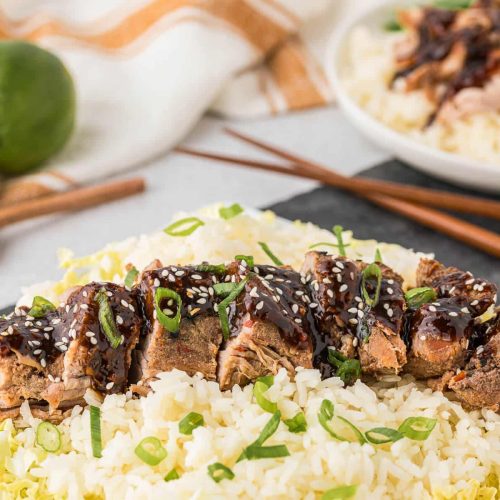
Asian pork
Ingredients
Main Ingredients
- 1.5 tbsp brown sugar
- 1 tsp salt
- 2 tsp ground ginger
- 1.5 tsp garlic powder
- 1 tsp onion powder
- 0.5 tsp crushed red pepper or to taste
- 1 tsp Chinese five spice powder
- 2 lb pork tenderloin
- 0.5 cup water
- 0.5 cup soy sauce
- 3 tbsp lime juice
- 3 tbsp fresh grated ginger
- 2 tbsp brown sugar
- 0.5 tsp crushed red pepper
- 0.5 tbsp cornstarch
- 0.25 cup cold water
Instructions
Preparation Steps
- Combine brown sugar, salt, ground ginger, garlic powder, onion powder, crushed red pepper, and Chinese five spice in a small bowl. Rub this spice mix evenly over the pork tenderloin.
- Pour 0.5 cup water into the slow cooker bowl. Place the pork inside and cook on low for 6 hours until tender. When done, slice or shred the pork as desired.
- In a small saucepan, combine soy sauce, lime juice, grated ginger, and brown sugar. Bring to a boil over medium heat and whisk until the sugar dissolves.
- Whisk cornstarch and cold water together in a small bowl, then add this mixture to the saucepan. Return to boiling and stir constantly until the glaze thickens. Pour the glaze over the cooked pork before serving.