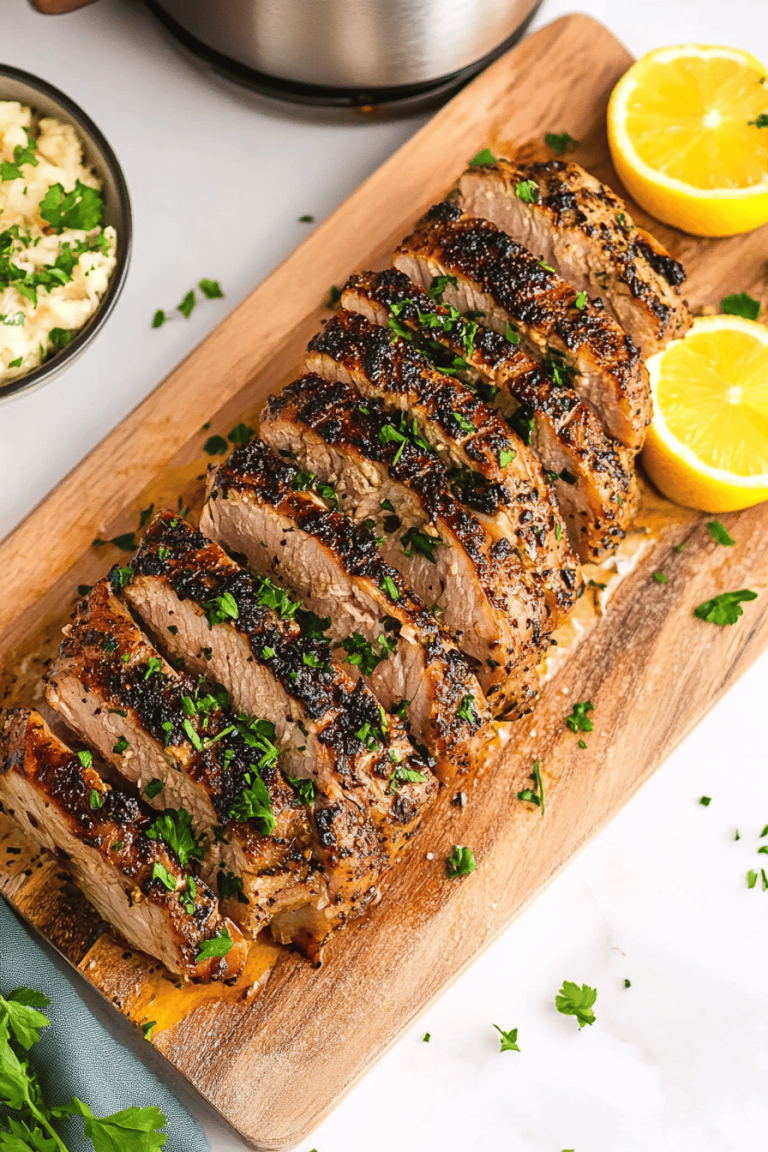
There’s something truly magical about the smell of ropa vieja simmering away on a Sunday afternoon. The rich aroma of tender shredded beef mingling with vibrant peppers and tangy tomatoes always takes me back to my abuela’s tiny kitchen, where flavors danced louder than conversation. If you’ve ever loved the soul-warming joy of a pot roast or a hearty chili, this ropa vieja will feel like a cozy hug you didn’t know you needed. I still remember that first time I made it myself — my kitchen filled with that same nostalgic scent, and my family couldn’t stop devouring it. Trust me, ropa vieja isn’t just food; it’s memory, comfort, and a celebration in a bowl, all wrapped up in soft, juicy strands of beef kissed by a punchy, smoky sauce. It’s the kind of dish that disappears faster than you can say “pa’ comé!”
What is Ropa Vieja?
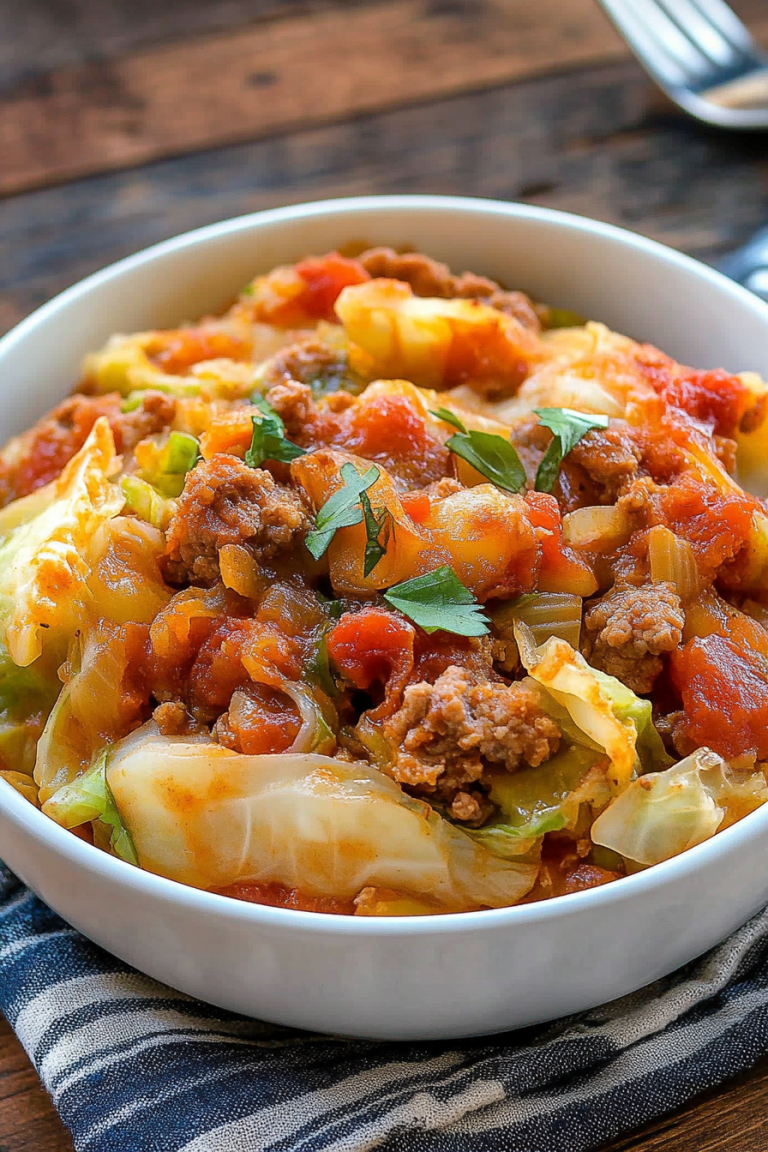
So, what *is* ropa vieja anyway? The name literally means “old clothes” in Spanish, which always makes folks chuckle when they hear it for the first time. But don’t worry, there’s nothing raggedy about this dish! Think of ropa vieja as shredded beef slow-cooked until it melts in your mouth, then mixed with a vibrant sauce bursting with bell peppers, onions, garlic, and a little spice. Originating from Cuba, it’s essentially the Cuban answer to pot roast meets stew—a one-pot wonder that’s hearty and packed with flavor. Traditionally, it uses flank steak or chuck roast that’s cooked low and slow, then ‘shredded’ to resemble shredded cloth, hence the “old clothes” name. The result is tender, slightly saucy beef perfect over white rice or warm plantains. If you’ve ever faced the challenge of turning a tough cut of meat into something spectacularly tender and flavorful, ropa vieja is here to save the day.
Why you’ll love this recipe?
What I love most about ropa vieja is how it effortlessly balances deep, savory flavors with simple, everyday ingredients. First off, the flavor is utterly dreamy — think savory, a little smoky, with a touch of sweetness from simmered tomatoes and peppers, plus a subtle tanginess that wakes up your taste buds. The slow-cooked beef literally dissolves into tender strands that soak up all the magic from the sauce. This isn’t just tasty; it’s finger-licking good comfort food that satisfies your soul.
It’s also surprisingly simple to make. I promise, you don’t need to be a Cuban grandmother to nail it. Just a good cut of beef, some fresh vegetables, and pantry staples like tomato sauce and spices. The hands-on time is minimal since most of the love happens while it simmers quietly on the stove or in your slow cooker—perfect for busy nights when you want something hearty with little fuss.
Cost-wise? It’s a win. Using affordable cuts like flank or chuck roast keeps things budget-friendly without sacrificing flavor or texture. Plus, this recipe is super versatile. You can serve it over rice for a traditional meal, stuff it into tacos for a fun twist, or jazz it up with avocado and black beans for a quick lunch bowl. I’ve even turned leftovers into delicious sandwiches, which my kids absolutely love. If you’ve tried recipes like chili con carne or classic beef stew, ropa vieja offers the same comforting vibes but with a bright, Cuban twist that’s pretty addictive.
How do I make Ropa Vieja?
Quick Overview
Making ropa vieja is one of those kitchen rituals that feels more like a slow dance than a race. You start by browning your beef—don’t skip this step! It locks in flavor. Then, the beef simmers gently with vibrant veggies and a flavorful tomato base until it’s soft enough to shred easily with a couple of forks. The final step is slow-simmering to marry all those amazing flavors and get that signature “clothes-like” shredded texture. It’s a little hands-off, a lot rewarding, and gives you delicious warming aromas to keep you company while it cooks.
Ingredients
For the Main Dish:
- 2-3 lbs flank steak or chuck roast – go for well-marbled but affordable cuts
- 2 tbsp olive oil – you want good quality for that rich flavor
- 1 large white onion, thinly sliced – adds sweetness and body
- 1 large green bell pepper, thinly sliced – for crunch and a bit of brightness
- 1 large red bell pepper, thinly sliced – colorful and sweet
- 4 cloves garlic, minced – fresh is best for pungency
- 1 (14 oz) can crushed tomatoes or tomato sauce – use good quality or homemade if you can
- 1/2 cup dry white wine or beef broth – adds depth
- 2 tsp smoked paprika – key for that subtle smoky punch
- 1 tsp ground cumin – warm and earthy
- 1 bay leaf – classic aromatic
- Salt and black pepper – to taste
- 1/2 tsp crushed red pepper flakes – optional but gives a welcome kick
- Fresh cilantro or parsley – for garnish
Step-by-Step Instructions
Step 1: Brown the Beef
Heat up your olive oil in a heavy-bottomed pot or Dutch oven over medium-high heat. Pat your beef dry and season generously with salt and pepper. Once the oil is shimmering, sear the beef on all sides until it’s beautifully browned—this step locks in flavor and creates a caramelized crust that’s essential for depth. It usually takes about 4-5 minutes per side. Don’t rush it or overcrowd the pan; do it in batches if you have to. Browned beef smells downright irresistible, and that smell alone is a good sign you’re on the right track.
Step 2: Sauté the Vegetables
Once the beef is browned, remove it from the pot and set aside. Add the sliced onions and peppers to the same pot, stirring them around to soak up all those browned bits on the bottom—this is flavor gold. Cook for about 6-8 minutes, until they soften and start to caramelize. Toss in the garlic last, stir for another minute until fragrant—watch out, garlic burns fast and will turn bitter.
Step 3: Deglaze and Build the Sauce
Pour in your white wine or beef broth to deglaze the pan, scraping up any stuck-on bits with a wooden spoon. Let it simmer for a couple of minutes to reduce slightly. Then, stir in your crushed tomatoes, smoked paprika, cumin, bay leaf, and red pepper flakes. Salt and freshly ground black pepper go in here, too—don’t be shy; the meat needs a good seasoning boost.
Step 4: Slow Cook the Beef
Submerge the browned beef back into this wonderful mix. Bring everything to a gentle simmer, then cover and reduce the heat to low. Let it cook slowly for about 2.5 to 3 hours. The beef should be so tender it pulls apart easily with a fork—patience here pays off big time. If you’re short on time, a slow cooker set on low for 6-8 hours works wonders as well.
Step 5: Shred the Beef
Once the beef is fork-tender, remove it from the pot and shred it using two forks. It should come apart like a dream, strands of beef soaking with all that beautiful sauce. Return the shredded beef to the pot and give it a good stir to make sure every strand is coated. Let it simmer uncovered for 20-30 more minutes if the sauce is watery — you want it thick and luscious.
Step 6: Final Touches and Serving
Before serving, discard the bay leaf and taste to adjust seasoning. Fresh cilantro or parsley sprinkled on top brightens everything up and feels like the final savory note the dish deserves. Serve hot over fluffy white rice, warm black beans, or even alongside fried plantains for a full Cuban-inspired feast.
What to Serve It With
For Lunch or Dinner: Nothing beats ropa vieja piled high over white jasmine or long-grain rice—trust me, you’ll want plenty of that sauce soaking in. Add black beans or a simple side of fried sweet plantains for sweet contrast. I like to serve it with a crisp avocado salad or a tangy cabbage slaw to cut through the richness.
For a Cozy Family Dinner: This one’s a lifesaver when you want to impress but not stress. Pair it with warm crusty bread to mop up all the juices and maybe a cold cerveza or a chilled glass of Malbec to keep things festive and relaxed.
For a Casual Gathering: Turn leftovers into sliders or tacos topped with pickled onions and a squeeze of lime. Your guests will think you ordered out, but you’ll know the truth—and that makes me smile every time.
Honestly, my family has made this their favorite “comfort food fix” for years now. It’s a meal that pulls everyone to the table, sparking stories, laughter, and those slow, satisfied smiles you only get from genuine home cooking.
Top Tips for Perfecting Your Ropa Vieja
Choosing the Right Cut: I always opt for flank steak or chuck roast. They’re affordable and break down beautifully during slow cooking. Don’t go for the super lean cuts here—fat adds flavor and keeps it juicy.
Pat the Beef Dry: Before searing, pat your beef with paper towels. If the meat is too wet, it won’t brown properly and you’ll miss out on that flavorful crust.
Don’t Skip Browning: Browning isn’t just about color; it creates those rich caramelized flavors that make the sauce irresistible. Be patient and make sure the pan is hot enough.
Slow and Steady Wins: Low and slow is your mantra. Check occasionally to make sure there’s enough liquid, but avoid stirring too often to keep the texture intact.
Balance the Flavors: The sauce should taste a bit bright and smoky with a hint of sweetness. If it gets too tangy, a pinch of sugar can round it out perfectly.
Customize Your Peppers: I’ve swapped red and green peppers for yellow or orange before—each adds a subtle twist in sweetness and color that’s fun to play with.
Make It Ahead: Ropa vieja tastes even better the next day. The flavors marry overnight, making it the perfect make-ahead dish.
Storing and Reheating Tips
Room Temperature: It’s best to serve ropa vieja fresh, but if you need a break, you can leave it covered at room temp for up to two hours safely. Make sure it’s not in a warm kitchen or near heat.
Refrigerator Storage: Store leftovers in an airtight container and refrigerate up to 4 days. Reheat gently on the stove or in the microwave, adding a splash of broth or water if the sauce feels thick or dry.
Freezing Instructions: This dish freezes beautifully. Pack it tightly in freezer-safe containers or bags and freeze up to 3 months. Thaw overnight in the fridge before reheating gently to keep that tender texture intact.
Glaze Timing Advice: Since this dish doesn’t use a traditional glaze, just be sure to stir well before serving to redistribute those lovely juices after any storage or reheating.
Frequently Asked Questions
Final Thoughts
If you’re looking for a dish that’s more than just a meal—one that brings memories, comfort, and a little fiesta to your plate—this ropa vieja is the real deal. It’s the kind of recipe that’s easy enough for a weeknight dinner but special enough for guests. Every time I make it, I’m reminded why it’s stayed in our family’s kitchen for generations: the tender beef, the rich, smoky sauce, and the way it fills the house with warmth. If you loved this, do check out my other Cuban favorites like picadillo or black beans and rice—they all pair beautifully. Can’t wait to hear how your ropa vieja turns out and your own stories of family and friends gathered ’round. Happy cooking and even happier eating!
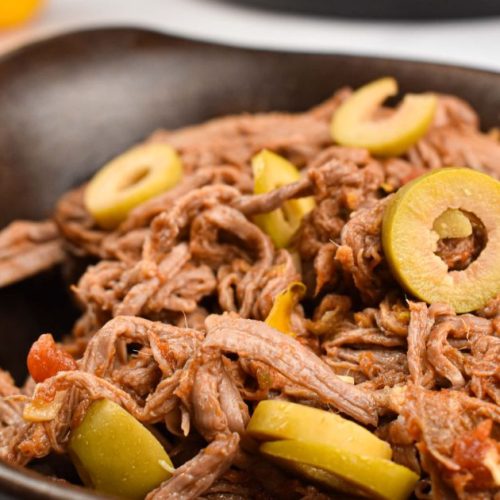
ropa vieja
Ingredients
Main Ingredients
- 2 pounds flank steak
- 1 tablespoon olive oil
- 1 large onion thinly sliced
- 1.5 cups green bell pepper sliced
- 1.5 cups red bell pepper sliced
- 3 cloves garlic minced
- 1 can (14 oz) diced tomatoes
- 1 cup beef broth
- 0.25 cup green olives sliced
- 2 tablespoons red wine vinegar
- 2 teaspoons ground cumin
- 1 teaspoon dried oregano
- 1 teaspoon smoked paprika
- 0.5 teaspoon red pepper flakes optional
- 0.25 cup fresh cilantro chopped, for garnish
- 0.25 teaspoon salt
- 0.25 teaspoon black pepper
Instructions
Preparation Steps
- Season flank steak with salt, pepper, cumin, oregano, smoked paprika, and red pepper flakes.
- Heat olive oil in a large skillet over medium-high heat. Sear the steak 3-4 minutes per side until browned.
- Transfer the steak to a slow cooker. Add onion, green and red bell peppers, garlic, diced tomatoes, beef broth, red wine vinegar, and olives.
- Cover and cook on low for 8 hours or until the meat is tender and falls apart easily.
- Remove the meat from the slow cooker. Shred it using two forks.
- Return shredded meat to the slow cooker and stir to combine with the sauce.
- Serve hot, garnished with chopped cilantro.