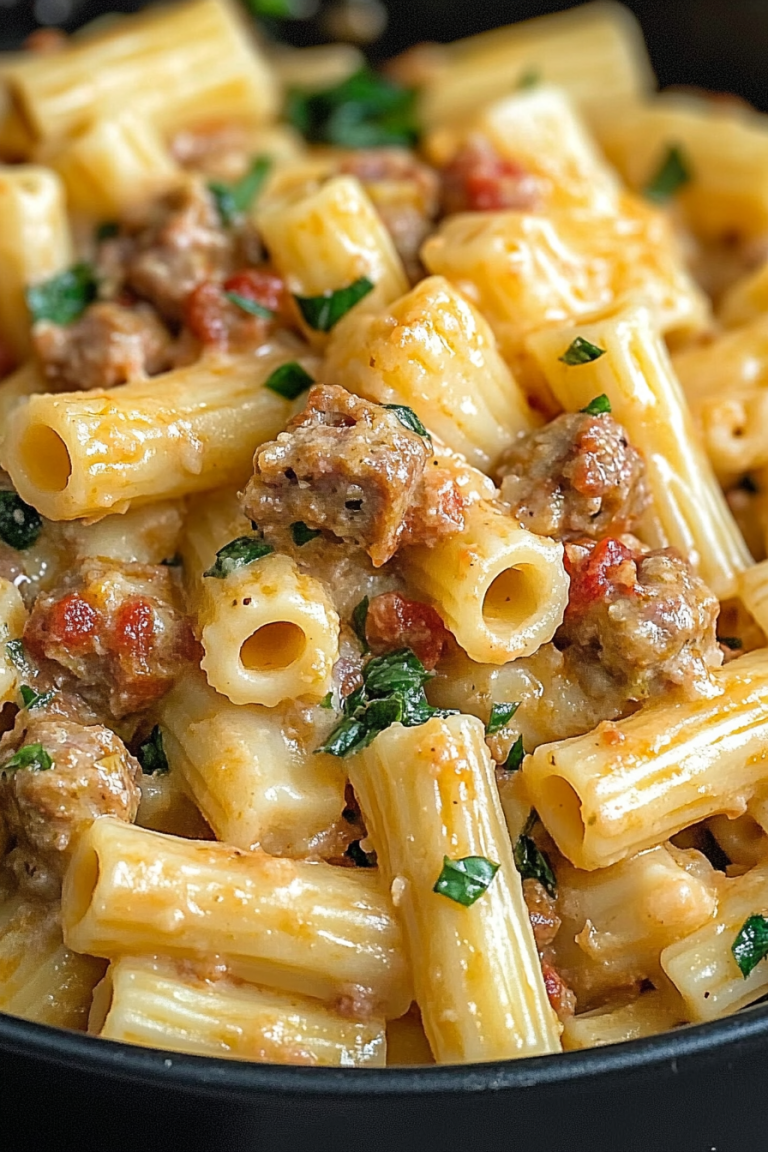
There’s something incredibly comforting about the smell of a slow-simmering bolognese sauce wafting through your kitchen. It’s like a warm embrace after a long day—the kind of aroma that pulls the whole family to the table before the timer even dings. I remember the first time I tried my hand at making bolognese from scratch; it felt intimidating, like a cooking mountain to climb. But over countless attempts, I’ve found a way that’s not only rich and deeply satisfying but also totally doable on a weeknight. If you usually think of bolognese as something fancy reserved for a Sunday dinner, trust me, this recipe will change your mind. It’s got that luxurious tomato-meat-roast flavor, yet it’s surprisingly simple to throw together, and my kids actually fight over seconds. If you love a hearty pasta sauce but avoid recipes that feel complicated or require hours of babysitting, this bolognese sauce is about to become your new best friend.
What is bolognese sauce?
Think of bolognese sauce as the soul of Italian comfort food—it’s a meat-based sauce originating from Bologna, Italy, that’s slowly cooked until every flavor sings in harmony. Unlike your average tomato sauce, bolognese is a rich ragù, crafted from browned meat, onions, carrots, celery, and a good splash of red wine, all lovingly simmered with tomatoes and a bit of cream or milk. It’s essentially the grandpa of pasta sauces: hearty, nuanced, and deeply satisfying. The key here is patience and balance—this isn’t just about piling meat into tomatoes but letting everything blend and mellow together. Home cooks might think it’s tricky, but once you get the rhythm, it’s as approachable as your favorite spaghetti sauce—and honestly, I find it far more rewarding.
Why you’ll love this recipe?
What I love most about this bolognese sauce is the way it coats every strand of pasta with a velvety richness that feels both indulgent and grounding. The flavor? It’s like a slow dance of savory meatiness with a mild sweetness from the onions and carrots, plus the subtle tang of tomatoes and a hint of earthiness from the herbs. It’s the kind of sauce that tastes as if it’s been simmering away for hours, even if you only spend about an hour myself—I swear by my technique. Plus, it’s a lifesaver for busy nights because it mostly simmers unattended; you can prep your sides, set the table, or even sneak in a glass of wine while it does its magic.
This recipe scores big on cost efficiency too—cheap ground beef or pork, pantry staples, and a can or two of tomatoes come together without breaking the bank. And the leftovers? Oh man, they’re even better the next day, making it perfect for meal prep or freezer-friendly dinners. You can spoon this bolognese over spaghetti (classic, of course), toss it with pappardelle, dollop it on polenta, or even use it as a filling for lasagna. My family? We sometimes turn it into a hearty baked dip for parties, and it never lasts long. If you’ve ever enjoyed my cozy tomato soup or that killer chicken parmesan, this one’s up there in keeping the Italian spirit alive in our kitchen every week.
How do I make a Bolognese Sauce?
Quick Overview
I like to think of making bolognese as a slow jam session—start by getting your meat browned and your veggies sweating, then pour in your liquids and leave it to simmer while you get on with the rest of your evening. The beauty here is it doesn’t demand constant stirring; instead, it rewards your patience with deeper, more complex flavors. This method balances simplicity with authenticity, so even if you aren’t used to slow cooking a sauce, you’ll find it surprisingly manageable and yielding big thanks at the dinner table.
Ingredients
What is the main sauce?
- 1 lb (450g) ground beef (or mix of beef and pork) – look for 80/20 for flavor, but lean is fine too
- 1 large onion, finely chopped – for sweetness and body
- 2 medium carrots, finely diced – adds subtle natural sugar
- 2 stalks celery, finely diced – for that classic soffritto base
- 3 garlic cloves, minced – can’t skip garlic here!
- 28 oz (800g) canned crushed tomatoes – quality brands make a difference
- ½ cup dry red wine (optional, but really elevates the sauce)
- ⅓ cup whole milk or heavy cream – softens the acidity of tomatoes
- 2 tbsp tomato paste – deepens the tomato flavor
- Olive oil – for sautéing
- Salt & pepper – to taste
- A pinch of nutmeg – a secret little warmth boost
- Fresh basil or dried Italian herbs – your choice
For Serving:
- Spaghetti, pappardelle, or any pasta you love
- Grated Parmesan cheese – the crowning glory
- Crusty bread – always a must for mopping up sauce
Step-by-Step Instructions
Step 1: Preheat & Prep
Set your stovetop burner to medium heat. Grab a large, heavy-bottomed pan or dutch oven that’s big enough to let everything cook evenly. A wider base helps the sauce reduce nicely. Pour in a glug of olive oil and let it warm up before adding your veggies.
Step 2: Cook the Veggies
Drop your finely chopped onion, carrot, and celery into the pan. Stir frequently until the onions turn translucent and veggies soften but don’t brown. This slow cooking builds the flavor base, so resist the urge to rush it. Add garlic and stir for another minute until fragrant.
Step 3: Brown the Meat
Increase the heat slightly and crumble in the ground meat. Use a wooden spoon to break it apart so it browns evenly. Patience here is key for that rich, deep flavor—you want those little crisp bits, not boiling mush.
Step 4: Deglaze with Wine
Once the meat is browned, pour in your red wine while scraping the bottom of the pan to catch all those tasty browned bits. Let it bubble and reduce for a few minutes—this is where the sauce starts to get beautiful depth.
Step 5: Add Tomato Elements
Stir in your tomato paste and crushed tomatoes. Mix it well, then pour in the milk (or cream). This gentle addition calms the acidity and softens the sauce, which is a little trick I learned that really transformed the texture and taste.
Step 6: Season & Simmer
Add salt, pepper, nutmeg, and your herbs. Bring the sauce to a low simmer, cover partially with a lid, and let it bubble gently for at least 45 minutes—longer if you have the time. Stir every now and then, but don’t worry if it looks thick and luscious; that’s exactly what you want.
Step 7: Final Taste & Adjust
Give it one last taste and adjust seasoning if needed. Sometimes a dash of sugar helps if your tomatoes feel too sharp, but with that cream it’s often perfect as is. If the sauce is too thick, a splash of water or broth can loosen it without losing flavor.
Step 8: Serve Warm
Cook your favorite pasta until al dente, toss it with the sauce, and crown with freshly grated Parmesan. Pair it with a simple green salad and a glass of red if you’re feeling fancy. The smell alone will have everyone in the kitchen drooling.
What to Serve It With
For Breakfast: Though bolognese might not be your typical breakfast fare, my kids adore it spooned over lightly toasted sourdough and topped with a poached egg. A strong black coffee or Americano really wakes you up to that savory goodness.
For Brunch: Try serving it alongside garlic-rubbed crostini and a fresh arugula salad tossed with lemon vinaigrette. A mimosa or chilled Pinot Grigio balances all that richness beautifully.
As Dinner: Of course, the classic is spaghetti bolognese with Parmesan and a sprinkle of fresh basil. But I also love layering the sauce in a traditional lasagna or spooning it over creamy polenta for a twist. For something cozy, a glass of robust red like Chianti or Barbera is always my go-to.
For Cozy Snacks: This sauce makes a crazy-good dip for toasted pita chips or even stuffed into baked potatoes. My family has a tradition of sneaking spoonfuls straight from the sauce pot—don’t judge, it’s irresistible!
Top Tips for Perfecting Your Bolognese Sauce
Veggie Prep: I always make sure to finely dice rather than chop my soffritto (onions, carrots, celery). It creates that beautiful, almost homogeneous texture that melts into the sauce instead of feeling chunky. And a pinch of salt when you start softening the veggies draws out moisture and sweetness faster.
Browning the Meat: Don’t rush this! I’ve learned that evenly browning the ground meat without overcrowding the pan develops those crispy, umami pockets of flavor. Use moderate heat and give it space to sizzle rather than steam.
Deglaze Carefully: Use a medium or dry red wine and let it reduce to avoid any bitter alcohol taste. If you skip wine, a splash of broth or even better, unsweetened grape juice can provide some of that depth.
Simmer Low and Slow: I learned this the hard way by cranking up the heat to rush it—and the sauce turned out harsh and one-dimensional. Patience is your friend here. Low heat for at least 45 minutes gives the flavors a chance to mingle and mellow.
Milk or Cream: This addition caught me off guard! It really smooths out the acidity and lends a subtle creaminess, so don’t skip it—even if you’re used to leaner sauces.
Season at the End: Tomato sauces can change during simmering, so I always do a final taste and balance at the end. Sometimes just a pinch of sugar or a bit more salt makes all the difference.
Serving Size & Storage: This sauce thickens as it cools, so if you’re reheating, add a splash of water or broth to loosen it back up without compromising flavor.
Storing and Reheating Tips
Room Temperature: If you’re serving it shortly after cooking, it’s best to keep it in a covered pot or bowl for up to 2 hours to avoid drying out. Stir occasionally to prevent a skin from forming.
Refrigerator Storage: Store cooled bolognese sauce in an airtight container—it keeps well for 3 to 4 days. I like to cool it uncovered slightly before sealing, so it doesn’t get soggy with condensation inside.
Freezer Instructions: This sauce freezes like a dream. Portion it out into freezer-safe containers or zip-top bags and it’ll happily last for up to 3 months. When you’re ready to eat it, thaw overnight in the fridge and reheat gently with a splash of broth to refresh the texture.
Glaze & Serving Timing: Since bolognese isn’t glazed, this step isn’t needed—but a generous sprinkle of Parmesan right before serving adds a beautiful, melty finish.
Frequently Asked Questions
Final Thoughts
I can’t tell you how many times this bolognese sauce has saved dinner and created those warm, sticky memories around our family table. It’s one of those recipes that feels like a well-loved friend — reliably delicious, a little forgiving, and endlessly comforting. Every batch fills the kitchen with irresistible aromas that make everyone gather ‘round without fail, and the leftovers turn into next-day magic that my kids can’t get enough of. If you love the idea of pasta drenched in a rich, slow-simmered sauce that never feels fussy, give this a shot—you won’t regret it. And hey, if you tweak it with your own twists or special add-ins, drop me a note — I’m always eager to hear how folks make this recipe their own. Happy cooking and may your kitchen be filled with love (and delicious sauce)!
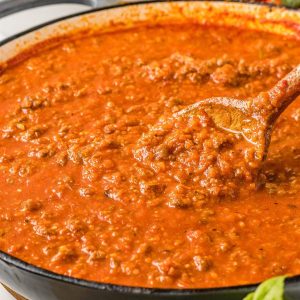
bolognese sauce
Ingredients
Main Ingredients
- 1 tablespoon olive oil
- 0.5 medium onion (very finely diced)
- 2 medium carrots (very finely diced)
- 2 stalks celery (very finely diced)
- 1.5 tablespoons minced garlic very finely diced
- 4 ounces pancetta or bacon finely diced
- 1 pound ground beef
- 1 pound mild Italian sausage
- 1 teaspoon salt
- 0.5 teaspoon cracked black pepper
- 0.125 teaspoon fresh grated nutmeg
- 1 cup dry white wine
- 1 cup beef broth
- 28 ounces San Mariano crushed tomatoes
- 2 tablespoons tomato paste
- 1 sprig fresh thyme
- 1 leaf bay leaf
- 1 cup whole milk
- 1 pound pasta (cooked)
Instructions
Preparation Steps
- Heat the olive oil in a large saucepan over medium-low heat. Add the onion, carrots, and celery and cook for 5 minutes, then remove the vegetables from the pan.
- Add the ground beef, Italian sausage, and pancetta to the pan and cook until the beef is no longer pink, breaking up the meat as it cooks.
- Season the meat with salt, cracked black pepper, and freshly grated nutmeg, then stir in the cooked vegetables.
- Pour in the white wine and simmer for 5 minutes over medium heat to reduce the liquid slightly.
- Add the beef broth, crushed tomatoes, and tomato paste to the pan, stirring to combine everything evenly.
- Add the sprig of fresh thyme and the bay leaf, then reduce heat to low and simmer gently for 1 to 2 hours, stirring occasionally.
- About 15 minutes before serving, stir in the whole milk and let it simmer gently for the remaining cooking time.
- Cook pasta according to package directions, drain, then toss with the bolognese sauce and serve immediately.