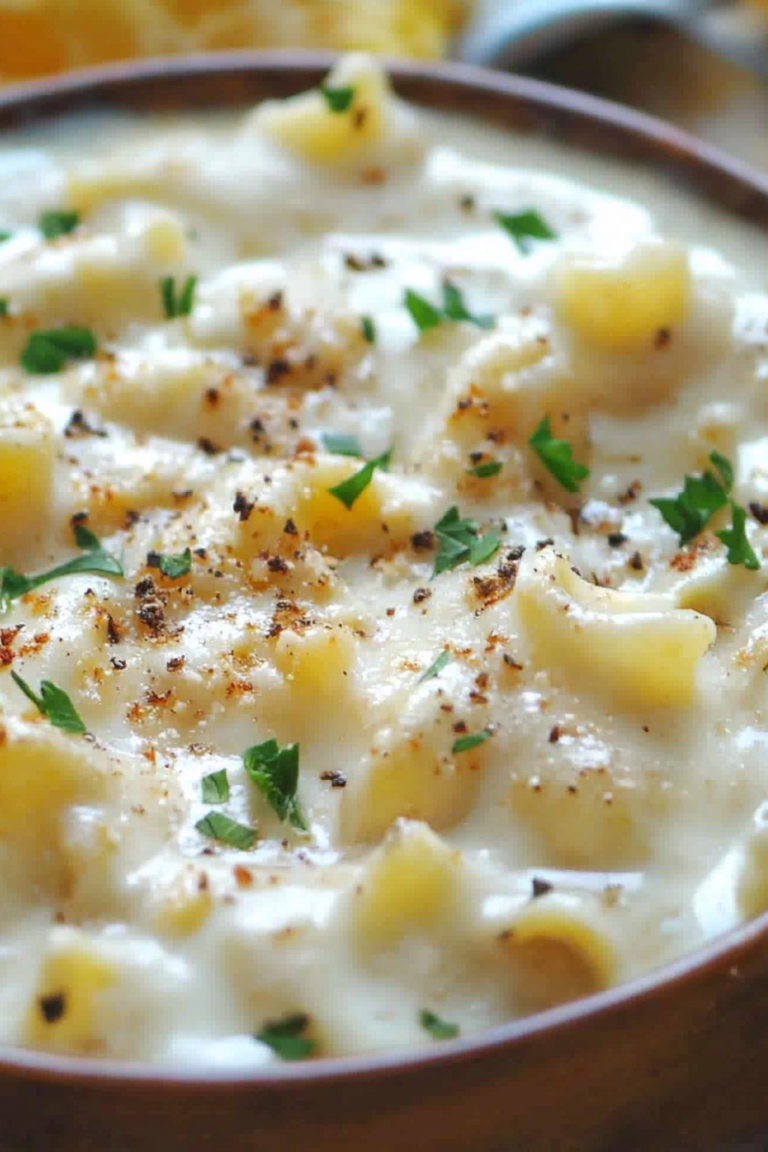
There’s something magical about the smell of orzo baking in the oven, the little pasta pearls soaking up all those savory, herby, tangy flavors. I remember the first time I tried Greek baked orzo—it was at my best friend’s family gathering, and honestly, it stole the show. It’s like a warm hug in a dish, combining the comfort of baked pasta with the bright flavors of Greece. If you love something like baked macaroni and cheese but with an unexpected Mediterranean twist, this recipe is about to become your new go-to favorite. I find that it’s perfect when I want a meal that feels fancy but doesn’t require a million steps or hours of prep. Plus, my kids ask for this one all the time, so it’s definitely a keeper in our house.
What is Greek Baked Orzo?
Think of Greek baked orzo as a cozy casserole that’s all about tiny rice-shaped pasta baked with fresh ingredients that bring sunshine to your plate. The orzo cooks in a flavorful mixture, usually with tomatoes, herbs, and sometimes feta, until everything melds together beautifully. It’s essentially a simple, rustic dish popular in Greek households—not unlike how folks over here adore a good lasagna or baked ziti but with a lighter, zestier feel. The name comes from the Italian word for barley, reflecting the pasta shape, but the “Greek baked” part points to that irresistible blend of Mediterranean ingredients that make this dish unique and bursting with flavor.
Why you’ll love this recipe?
I always love telling people what makes family recipes truly shine, and this Greek baked orzo hits all the right notes. What I love most about this recipe is how incredibly flavorful it is without any complicated fuss. We’re talking about layers of tangy tomatoes, fragrant oregano and dill, that salty punch of feta, and just the right hint of garlic—all coming together to create a dish that’s rich but still fresh. It’s one of those meals that looks like you put in a ton of effort but honestly takes about the same time as boiling pasta on its own.
And can we talk about cost for a second? This recipe feels fancy but uses humble, budget-friendly ingredients: pantry staples like orzo pasta, canned tomatoes, and a few herbs, with feta keeping it authentic without breaking the bank. Plus, it’s versatile—serve it as a hearty lunch, pair it with a Greek salad for dinner, or even make a batch for potlucks or easy weeknight meals. It’s similar in comfort to a baked ziti but offers a Greek flair that makes it special. I can’t count the number of times I’ve whipped this up when friends drop by or when a simple, crowd-pleasing dish is needed fast. My folks even beg me to send some home every time they visit!
How do I make Greek Baked Orzo?
Quick Overview
Putting together this Greek baked orzo is as rewarding as it is straightforward. It starts with mixing the orzo pasta with a rich tomato base, fresh herbs, and sometimes a splash of creamy feta or yogurt, then baking it all slowly so the flavors deepen and the top gets perfectly golden. What makes this method wonderful is you don’t need to cook the pasta fully beforehand—the orzo finishes baking in the sauce, soaking up all the delicious juices. So much simpler than fussing with multiple pots, and the results never disappoint.
Ingredients
For the Main Batter:
- 1 ½ cups orzo pasta—regular or gluten-free versions work nicely
- 2 cups canned diced tomatoes (or crushed, depending on your texture preference)
- 1 medium onion, finely chopped (for that mellow sweetness)
- 2 cloves garlic, minced (because garlic makes everything better)
- 2 tbsp olive oil (extra virgin if you want that fruity note)
- 1 ¼ cups water or vegetable broth (to cook the orzo perfectly)
- Salt and pepper to taste
For the Filling:
- ½ cup crumbled feta cheese—or more if you’re feeling indulgent
- Fresh herbs like oregano and dill, chopped (about 2 tbsp each)
- Optional: a handful of chopped spinach or zucchini for extra veggies
For the Glaze:
- 2 tbsp extra virgin olive oil mixed with a squeeze of lemon juice
- Optional: a dusting of smoked paprika or fresh parsley for garnish
Step-by-Step Instructions
Step 1: Preheat & Prep Pan
Set your oven to 375°F (190°C). Grab a medium-sized baking dish and drizzle a little olive oil on the bottom to keep everything from sticking and to add flavor. If you’re like me, I also give it a quick wipe with a paper towel to spread the oil evenly—this way, no crispy orzo stuck to the pan later!
Step 2: Mix Dry Ingredients
In a mixing bowl, toss the orzo with a pinch of salt and pepper. This simple step helps season the pasta upfront so every bite gets a little seasoning. Don’t worry about overthinking it—the real magic happens once everything’s together.
Step 3: Mix Wet Ingredients
In a skillet, warm the olive oil and sweat your onions until they’re translucent and just starting to turn golden. Add the garlic for the last minute or so to avoid burning—it should smell heavenly right now. Next, stir in the tomatoes, herbs, water or broth, and season well with salt and pepper. Let it simmer for a few minutes to marry those flavors. This mixture is the flavor base that makes this dish unforgettable.
Step 4: Combine
Pour your tomato mixture over the orzo in the baking dish, then fold everything gently to combine. You want everything evenly coated, but avoid overmixing so the pasta stays distinct and doesn’t turn mushy. If you’re adding zucchini or spinach, fold it in now—fresh veggies sneak in extra texture and nutrients without stealing the spotlight.
Step 5: Prepare Filling
Sprinkle the crumbled feta cheese evenly across the top and sprinkle a few extra herbs over everything. This will create little pockets of creamy richness once baked that make you want to keep going back for more. I learned early on not to mix the feta into the pasta completely—letting it sit on top adds a lovely textural contrast.
Step 6: Layer & Swirl
If you’re feeling artistic, use a spoon or butter knife to swirl the feta a bit into the orzo sauce for some beautiful marbling. It’s not necessary, but it gives a rustic, homey touch that’s quite satisfying. Plus, it keeps the dish looking pretty after baking.
Step 7: Bake
Pop the dish into the oven and bake uncovered for about 30–35 minutes. The orzo will soak up the sauce and become tender but not mushy. The edges should start turning golden and a little crisp—this is when I sneak a sniff because that smell is pure comfort. If you peek in and it looks dry, add a little splash of water and gently stir before continuing to bake.
Step 8: Cool & Glaze
Once baked, take the orzo out and let it cool for about 10 minutes. This rest time helps it set so you can slice clean squares. While it’s still warm, drizzle your olive oil and lemon juice glaze over the top. It adds a shiny finish and that subtle zing which cuts through the richness. If the glaze pools, don’t worry—that’s where the flavor is!
Step 9: Slice & Serve
Use a sharp knife to cut the baked orzo into squares or spoon it out like a casserole. Serve warm with a sprinkle of fresh herbs or maybe a dollop of Greek yogurt on the side if you have it. Trust me, this is good the next day too, so leftovers are always a win.
What to Serve It With
For Breakfast: You might not expect baked orzo as a morning meal, but when paired with a strong Greek coffee and a side of fresh fruit, it really works. The tang of feta and herbs wakes up the palate beautifully.
For Brunch: Set it alongside a crisp cucumber-tomato salad, drizzle with some extra olive oil, and pour some iced herbal tea. This combo feels like a Mediterranean vacation without leaving your kitchen.
As Dessert: While not sweet itself, a side of honey-drizzled yogurt after Greek baked orzo is such a lovely finish that balances savory with a touch of sweetness. My kids always want a scoop!
For Cozy Snacks: This recipe makes a perfect afternoon snack when you want something warm and filling but not too heavy. Pair it with a light glass of white wine or a sparkling mineral water with lemon for an easy pick-me-up.
Over the years, I’ve often served this dish at family gatherings where everything else is Greek-inspired—think olives, stuffed grape leaves, and warm pita—because it fits so well in that flavor family. My aunt swears by adding a few kalamata olives on top for extra flair. Experiment and see what your family loves!
Top Tips for Perfecting Your Greek Baked Orzo
Zucchini Prep: If you’re adding zucchini, grate it finely and squeeze out the excess moisture with a clean kitchen towel. Wet zucchini can make the dish watery, which I learned after a couple of soggy attempts early on. Fresh zucchini adds great texture, but drying it is key.
Mixing Advice: When combining the pasta and the sauce, fold gently. Overmixing can make the orzo mushy and break down the pasta too much. Aim for a light, even coating.
Swirl Customization: The swirling technique for the feta isn’t just pretty; it also distributes pockets of cheesy goodness throughout the dish. Use the back of a spoon or a butter knife to create gentle waves across the orzo before baking.
Ingredient Swaps: Don’t have feta? Goat cheese or ricotta work beautifully too, though they’ll change the flavor slightly. Almond milk or any creamy plant-based milk can be added for a richer texture if you prefer dairy-free options. Just remember to check the liquid ratio—it might need a touch less water.
Baking Tips: Keep your orzo in the middle rack of the oven for even cooking. If your oven tends to run hot, cover the dish loosely with foil for the first 20 minutes to prevent over-browning, then remove the foil to crisp up the top.
Glaze Variations: The olive oil and lemon drizzle is traditional, but sometimes I swap in a garlic-infused oil or toss on a pinch of smoked paprika for a smoky depth. If you prefer sweeter finishes, a light honey drizzle blends beautifully with the tanginess.
Honestly, I’ve learned so much just by trial and error—like how letting the baked orzo rest before serving improves texture, or how less oil sometimes means a firmer crust rather than a greasy surface. Don’t be afraid to make it your own!
Storing and Reheating Tips
Room Temperature: You can safely leave Greek baked orzo out covered with foil or a clean kitchen towel for a few hours—great if you’re serving guests or planning ahead for a casual buffet. Just don’t leave it longer than 4-5 hours.
Refrigerator Storage: Store leftovers in an airtight container for up to 3 days. Before refrigerating, let the dish cool completely to avoid condensation that can make it soggy. When reheating, either microwave until heated through or warm gently in the oven at 350°F (175°C) to revive that crispy top.
Freezer Instructions: Freeze portions wrapped tightly in plastic wrap and then in a freezer-safe container or bag for up to 2 months. Thaw overnight in the fridge, then reheat gently in the oven. I’ve found baking straight from frozen leads to uneven heating, so slow thawing is key.
Glaze Timing Advice: I like to hold off adding the olive oil and lemon glaze until right before serving because it keeps that bright, fresh zing intact. If storing with glaze, flavors blend but olive oil can sometimes solidify in the fridge, which isn’t harmful but might look less pretty.
Frequently Asked Questions
Final Thoughts
Greek baked orzo has quickly become one of those dishes I reach for when I want to make something special without a fuss. It’s got this wonderful way of feeling both familiar and a little adventurous—all those bright herbs and tangy feta give it a fresh Mediterranean twist that keeps everyone coming back for seconds. I love that it’s adaptable, kind of like a blank canvas ready for your favorite veggies or cheese to shine through. If you’re someone who enjoys a comforting meal with big flavor but zero stress, give this recipe a try. I really can’t wait to hear how yours turns out—drop a comment, share what variations you experiment with, or just tell me if it disappeared in minutes like it does at my house. Happy baking!

Greek baked orzo
Ingredients
Main Ingredients
- 2 tablespoons olive oil
- 0.5 onion yellow onion diced
- 2 cloves garlic minced
- 1 red bell pepper red bell pepper diced
- 2 cups kale chopped
- 2 teaspoons dried oregano
- 0.125 teaspoons red pepper flakes a tiny pinch
- 1 teaspoon kosher salt
- 3 tablespoons tomato paste
- 1 cup uncooked orzo
- 14 ounces fire-roasted diced tomatoes canned
- 1.5 cups cooked chicken or chickpeas
- 2.5 cups vegetable or chicken broth
- 1 tablespoon butter optional
- 0.5 cup feta cheese for topping, optional
- 3 tablespoons fresh dill for topping, optional
- 1 lemon lemon juice for serving, optional
Instructions
Preparation Steps
- Preheat the oven to 400 degrees Fahrenheit.
- In a large oven-safe skillet, heat the olive oil over medium heat and sauté the diced onion for about 5 minutes until soft.
- Add the minced garlic, diced red bell pepper, chopped kale, dried oregano, red pepper flakes, and kosher salt. Sauté for 5 minutes until the kale wilts.
- Stir in the tomato paste and cook for 1-2 minutes.
- Add the uncooked orzo, canned diced fire-roasted tomatoes, cooked chicken or chickpeas, and broth. Bring to a simmer.
- Transfer to the oven and bake for 10-15 minutes, or until the orzo is soft.
- Finish by stirring in butter, crumbling the feta cheese on top, then dust with fresh dill and a squeeze of lemon juice before serving.