You know those days, right? The ones where you stare into the fridge, desperately needing something vibrant, something fresh, but you just can’t face another boring lettuce leaf? Me too. That’s exactly how this recipe was born—out of sheer desperation for actual flavor in my lunch. I remember staring at this beautiful, slightly sad-looking bag of mixed greens in the bottom drawer, feeling guilty for buying them and knowing they’d wilt before I touched them. So, I threw everything at it. Herbs, nuts, a little bit of tangy cheese, and a dressing that honestly tastes like liquid sunshine. Now, this isn’t just any salad; it’s my absolute go-to, especially when I need to sneak in some nutrients. My youngest, who generally treats vegetables like they’re radioactive, actually asks for seconds when I make this. It all comes down to making the very best use of delicate ingredients like fresh baby greens. Forget that bagged, flavorless stuff; this preparation makes even the simplest mix sing. It’s my secret weapon for weeknights when dinner needs to be on the table in ten minutes flat, and trust me, this hits the spot like nothing else.
What is the best spring green salad?
This salad, bless its heart, is the poster child for effortless elegance. When I call it the “Unbeatable Spring Green Salad,” I’m not just being dramatic; I mean it. Think of it as a celebration of everything bright that pops up between winter hibernation and the deep heat of summer. It’s built around delicate baby greens—think tender butter lettuce, young spinach, maybe some sweet mustard greens if I’m feeling fancy. But the real magic isn’t the greens themselves; it’s the supporting cast. It’s about balancing texture and flavor: the soft, creamy feta, the satisfying crunch of toasted pecans, and the surprising pop of fresh mint and dill. It’s essentially a masterclass in making simple ingredients taste extraordinary. I learned early on that if you treat delicate produce right, you don’t need heavy sauces or complicated cooking steps. It’s essentially a five-minute assembly job that tastes like you spent an hour fussing over it. It’s the salad you bring to a potluck that everyone immediately gravitates toward because it looks and smells utterly irresistible.
Why you’ll love this recipe?
Honestly, where do I even start? This salad is a weeknight champion. What I love most about this is its sheer adaptability—it’s a template, not a strict rulebook. If you have asparagus in the fridge, toss it in. If you’re out of pecans, grab some walnuts. But let’s talk about the flavor profile first. The dressing is a bright, slightly sweet vinaigrette brightened with champagne vinegar (don’t substitute that; it’s crucial for the delicate tang!). It coats those fragile baby greensI love salads that need to shimmer, not soak!
Simplicity is king here. I’ve timed it: from pulling ingredients out of the fridge to presenting it on the table, it’s less than ten minutes. That’s faster than ordering takeout, and infinitely healthier. It’s also surprisingly budget-friendly if you focus on seasonal herbs and use the nuts sparingly for garnish rather than the main event. I tested this recipe originally with dried cranberries, but once I switched to fresh pomegranate arils when they were in season, the whole thing elevated tenfold. That little burst of tartness against the salty cheese? Divine.
And versatility? Oh, yes. For a quick lunch, I’ll add some leftover grilled chicken. If it’s going out to a dinner party, I arrange the ingredients artfully on a huge platter. But when I’m craving something comforting on a cool evening, I sometimes warm up some chickpeas and mix them in—it gives it that hearty feel without losing its freshness. It truly is the perfect marriage of light and satisfying. This salad changed how I look at greens because it proves that the quality and freshness of your base ingredient matter more than any heavy additions. If you’re looking for a side dish that steals the show or a main course that won’t weigh you down, this is it. It’s the antithesis of the sad, limp side salad; it’s bold, fragrant, and deeply flavorful.
How do I make a delicious green salad?
Quick Overview
This recipe hinges on two things: preparation and layering. We’re going to toast the nuts lightly to wake up their flavor, gently whisk the dressing to emulsify it perfectly, and then—the most critical part—we’ll only dress the salad right before serving to keep those beautiful baby greens crisp and lively. It’s less about cooking and more about assembly, aiming for that perfect textural contrast between soft leaves, sharp cheese, and crunchy nuts. Don’t worry about exact measurements for the greens; just pile them high! This method guarantees a vibrant, fresh salad every single time, even if you’re just throwing leftovers together.
Ingredients
For the Salad Base:
6 cups Mixed Baby Greens (I prefer a mix including spinach and arugula for pepperiness)
1/2 cup Fresh Herbs, roughly chopped (Use a mix of Mint, Dill, and Parsley. Don’t skimp here!)
1/2 cup Pecans or Walnuts (Quality matters for crunch)
1/4 cup Crumbled Feta Cheese (The salty tang is non-negotiable)
1/2 cup Radishes, thinly sliced (Look for small, firm ones for the best bite)
For the Bright Vinaigrette:
1/4 cup Extra Virgin Olive Oil (Use the good stuff; you can taste it)
2 tablespoons Champagne Vinegar (It’s milder than white wine vinegar)
1 tablespoon Dijon Mustard (Acts as the emulsifier)
1 teaspoon Honey or Maple Syrup (Just enough to balance the acidity)
1 small Shallot, minced very finely (Optional, but adds depth)
Pinch of Kosher Salt and Freshly Ground Black Pepper (To taste)
For Finishing & Texture:
1/4 cup Pomegranate Arils (If out of season, use dried cherries, chopped)
1/4 cup Shaved Parmesan or Pecorino Romano (For a sharper finish)
Step-by-Step Instructions
Step 1: Toast the Nuts
Grab a small, dry skillet—no oil needed! Heat it over medium-low heat. Toss in the pecans or walnuts. You need to toast these gently for about 4 to 6 minutes. Keep them moving constantly so they don’t burn! You’ll know they’re ready when they smell deeply nutty and look slightly darker brown. Immediately transfer them to a small plate to cool completely. If you leave them in the hot pan, they’ll keep cooking and turn bitter. This step transforms the whole salad, I promise!
Step 2: Prepare the Dressing
In a small jar with a tight-fitting lid, combine the olive oil, champagne vinegar, Dijon mustard, honey/maple syrup, minced shallot (if using), salt, and pepper. Seal the jar tightly. Shake it like you mean it for a full minute until the dressing thickens slightly and looks creamy—that’s the emulsion happening. Taste it! It should be punchy and bright. If it’s too tart, add a touch more honey. Set this aside for the flavors to marry while you prep everything else.
Step 3: Prep the Greens and Herbs
This is where you treat your delicate ingredients with respect. If you bought pre-washed baby greens, great! If not, wash them very gently in cool water and use a salad spinner to dry them thoroughly. Water is the enemy of good dressing adhesion. Chop your mint, dill, and parsley. Don’t use a food processor here; the small pieces of herbs need to be visible and vibrant, so chop them by hand on a board.
Step 4: Assemble the Vegetables and Cheese
Thinly slice your radishes. The thinner the better—we want delicate crunch, not huge chunks. In a large serving bowl, combine the dried greens, the chopped fresh herbs, and the sliced radishes. Gently toss just to integrate the herbs throughout the leaves.
Step 5: The Crucial Dressing Moment
This is the moment of truth. You only dress the salad immediately before you serve it. Drizzle about two-thirds of the vinaigrette over the greens mixture. Use your hands (clean hands are the best salad tool, truly) to gently toss everything, ensuring the dressing lightly coats every leaf without crushing them. The goal is a slight sheen, not a saturated mess.
Step 6: Layer the Toppings
Now that the greens are dressed, it’s time for texture. Sprinkle the toasted, cooled nuts, the crumbled feta, and the pomegranate arils evenly over the top. Don’t toss them in now; you want them sitting proudly on top so they maintain their texture and visual appeal.
Step 7: Final Shave and Serve
Take your block of Parmesan or Pecorino and use a vegetable peeler to shave thin ribbons directly over the salad. These wider ribbons offer a different mouthfeel than crumbled feta. Give the salad one final, very gentle lift with tongs just to ensure everything settles nicely. Serve immediately while the greens are crisp and the dressing is still bright.
What to Serve It With
This salad is a true chameleon, fitting into almost any meal structure we have here at home. For breakfast? It sounds wild, I know, but a small portion alongside scrambled eggs and a piece of sourdough toast is shockingly good—it cuts through the richness of the eggs beautifully. Pair it with a strong black coffee; the bitterness complements the sweet dressing.
For brunch, this is where it shines as an elegant centerpiece. I usually plate it alongside lemon ricotta pancakes or maybe some smoked salmon. For beverages, nothing beats a crisp, slightly dry sparkling rosé or even just a pitcher of iced water infused with cucumber and basil. The visual appeal of the bright green, red arils, and white cheese makes any table look instantly curated.
As dessert? Hear me out! If I’ve served something heavy like lasagna or pot roast for dinner, this is the perfect palate cleanser. I scale the dressing back slightly, using just a drizzle, and maybe skip the nuts. It acts like a refreshing sorbet course without the sugar crash. We often serve it after a rich stew, perhaps paired with a small glass of chilled Sauvignon Blanc.
For cozy snacks, this is my standard late-afternoon fix. When I need something substantial but light, I’ll add roasted chickpeas or maybe some hard-boiled eggs straight into the bowl. I learned this trick from my mom: adding some toasted pita chips crushed on top gives you that satisfying carb crunch when you don’t want a full bread serving. It keeps me full until dinner without the usual 4 PM slump!
Top Tips for Perfecting Your Unbeatable Spring Green Salad
Okay, I’ve made this salad probably two hundred times, and trust me, the devil is in the details, especially when you’re working with delicate ingredients like those lovely baby greens.
Greens Prep: The absolute most important thing is dryness. I cannot stress this enough. If your greens are even slightly damp, the dressing won’t cling; it will just slide off to the bottom of the bowl and make everything soggy. I use my salad spinner and then often lay the greens out on a clean kitchen towel for five minutes just to air dry any remaining moisture. If you’re using arugula, remember it has a very strong flavor, so balance it out with softer butter lettuce.
Mixing Advice: Never, ever toss the salad until the absolute second you are ready to eat it. The acid in the vinaigrette starts to break down the cell walls of the leaves almost immediately. If you are serving a crowd, dress the greens in the large bowl, but keep the toppings (nuts, cheese, arils) separate. Guests can then assemble their own plates, ensuring everyone gets that perfect crisp bite. My kids often eat the toppings first, so keeping them separate prevents that!).
Swirl Customization: While I love the classic herb mix, if you want a real showstopper, try infusing your nuts before toasting them. Soak the pecans in a tiny bit of maple syrup and a dash of cayenne for about 30 minutes, pat them dry, and then toast them. It gives a beautiful sweet-spicy coating that pairs incredibly well with the salty feta.
Ingredient Swaps: If you can’t find pomegranate arils, don’t fret! Chopped dried apricots are a fantastic substitute, though you might want to reduce the honey in the dressing slightly because the apricots are often sweeter. Instead of feta, fresh mozzarella pearls (bocconcini) work beautifully if you want a milder, creamier cheese profile, but you’ll need a little extra salt in the dressing to compensate for the lack of tang.
Baking Tips: Wait, this is a salad! Ha! But if you’re making a companion bread, like a focaccia, remember to use the center rack. For the salad itself, the serving vessel matters. I learned the hard way that a shallow, wide bowl is better than a deep one for tossing; you get better air circulation and less crushing of the leaves. Make sure your serving dish is cold, too—it helps keep the ingredients crisp just a little bit longer before they hit the table.
Glaze Variations: Since this is a salad, let’s talk about dressing consistency. If you find your olive oil is too thick, especially in winter, let it sit out for 30 minutes. If you must thin it down slightly, add a teaspoon of water to the dressing jar *after* shaking to create a slightly lighter coating. But generally, the richer the oil, the better it hugs those delicate baby greens.
Storing and Reheating Tips
Since this is a fresh salad, storage is all about preventing wilting and maintaining texture. It’s not something you want to save for leftovers, but if you must, preparation is everything.
Room Temperature: Don’t. Seriously. If you’re prepping this for an event, keep all components separate and only assemble the dressed greens five minutes before people start eating. If the assembled salad sits out for more than 30 minutes, the acidity in the dressing will start to deflate those tender leaves. It’s better to have a few sad, undressed ingredients on the counter than a bowl of wilted salad.
Refrigerator Storage: If you have leftover *undressed* ingredients (greens, herbs, radishes), store them in a large zip-top bag with a paper towel to absorb ambient moisture. They’ll usually last 2-3 days. If you happen to have leftover *dressed* salad, treat it like an emergency situation. Store it in an airtight container with a paper towel pressed lightly on top of the greens to wick away moisture. It might survive until the next day, but the texture will definitely be compromised. The dressing itself, however, is solid.
Freezer Instructions: Absolutely not for the greens! However, the vinaigrette freezes surprisingly well. If you double the dressing recipe, pour the excess into an ice cube tray. Once frozen, transfer the cubes to a freezer bag. When you need dressing later, just thaw a cube or two on the counter and give it a quick whisk—the emulsion might need a little coaxing, but it works perfectly!
Glaze Timing Advice: If you’re worried about leftovers because you know your family grazes, dress only half the greens. Leave the nuts and cheese separate. My biggest mistake early on was dressing the whole batch hoping it would last overnight—it never does. Keep the textures separate until the moment of truth!
Frequently Asked Questions
Final Thoughts
I truly hope you give this Unbeatable Spring Green Salad a try. It’s more than just a recipe; it’s a mindset shift about how simple, fresh ingredients can absolutely conquer a complicated meal any day of the week. Whenever I’m feeling sluggish or uninspired, making this salad immediately wakes up my palate and reminds me how satisfying real, unprocessed food can be. The key is treating those delicate baby greens with the respect they deserve—dry, lightly coated, and presented beautifully alongside crunchy and salty counterparts. It’s the kind of dish my family actually clears their plates on, which, coming from my house, is high praise!
If you try this out, I’d be thrilled if you hopped into the comments below and let me know what texture combinations you tried—did you use pistachios instead of pecans? Did you swap the mint for basil? I love seeing your kitchen adaptations! Don’t forget to rate the recipe, too; it helps other folks who are staring into their fridge feeling the exact same way I was when I first dreamed this salad up. Happy assembling, and I can’t wait to hear how yours turns out!
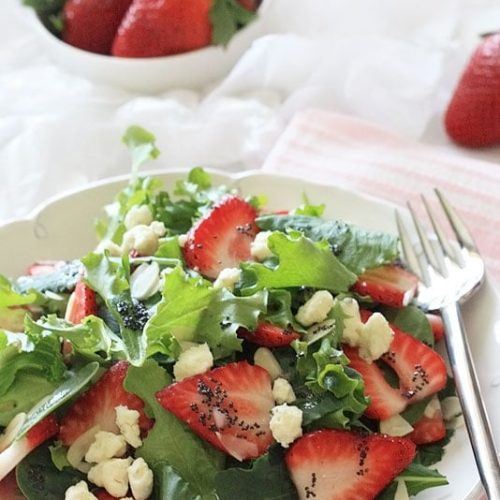
Strawberry and Gorgonzola Salad with Poppy Seed Dressing
Ingredients
Main Ingredients
- 1 tbsp red wine vinegar
- 1 tbsp apple cider vinegar
- 2 tbsp extra virgin olive oil
- 1 tsp minced shallots
- 1.5 tbsp honey (use raw for Paleo)
- 0.5 tbsp poppy seeds
- 5 oz organic mixed baby greens (kale, spinach)
- 0.25 cup slivered almonds toasted
- 2 cups sliced fresh strawberries
- 0.25 cup crumbled gorgonzola cheese omit for Paleo diet
Instructions
Preparation Steps
- In a small jar, combine red wine vinegar, apple cider vinegar, olive oil, minced shallots, honey, and poppy seeds. Secure the lid and shake well to mix.
- In a large salad bowl, combine mixed baby greens, toasted slivered almonds, sliced strawberries, and crumbled gorgonzola cheese.
- Drizzle the poppy seed dressing over the salad and toss gently to coat all ingredients evenly.
- Serve immediately or divide the salad equally among four plates for serving.