I still remember the first time I made homemade alfredo sauce. I was about twelve, trying to impress my dad with a fancy dinner, and I’d just grabbed a jar from the grocery store. It was… fine. But then, years later, I stumbled upon a recipe that changed everything. It wasn’t just fine; it was ridiculously creamy, rich, and packed with so much flavor that it felt like a culinary revelation. This alfredo sauce recipe isn’t just a recipe to me; it’s a hug in a bowl, a guaranteed win on a chaotic weeknight, and the secret weapon in my entertaining arsenal. Forget those gloopy, bland versions; this is the real deal, the kind that makes you close your eyes with every bite. It’s almost as satisfying as a perfectly baked chocolate chip cookie, but in a savory way!
What is Alfredo sauce?
So, what exactly *is* alfredo sauce? At its heart, it’s a deceptively simple emulsion of butter, heavy cream, and Parmesan cheese. The name “Alfredo” actually comes from an Italian restaurateur, Alfredo di Lelio, who is credited with popularizing it in Rome back in the early 20th century. Legend has it, he created it for his pregnant wife, who craved something rich and comforting. His original version was incredibly minimalist: just pasta, butter, and Parmigiano-Reggiano cheese. Over time, and especially as it traveled across the Atlantic, it evolved to include heavy cream, which gives it that signature velvety texture that we all know and love. Think of it as the culinary equivalent of a cozy cashmere sweater on a chilly evening – pure comfort and indulgence.
Why you’ll love this recipe?
Oh, where do I even begin with why this alfredo sauce recipe is my absolute go-to? First off, the FLAVOR. It’s a symphony of rich, buttery, cheesy goodness that coats every strand of pasta like a dream. It’s not just salty; there’s a subtle sweetness from the Parmesan and a depth that you just can’t get from a store-bought jar. And the TEXTURE! It’s perfectly creamy without being heavy or greasy. My secret is using good quality ingredients, and a little patience, but more on that later. Then there’s the SIMPLICITY. Seriously, this recipe comes together faster than you can decide what movie to watch. I’ve whipped this up when unexpected guests arrive or when I’m craving something decadent after a long day. It’s a lifesaver, truly. Plus, it’s incredibly COST-EFFECTIVE. The ingredients are pantry staples for most of us, making it an affordable way to enjoy a restaurant-quality dish at home. And let’s talk VERSATILITY! While it’s divine tossed with fettuccine (the classic, of course!), I’ve used this alfredo sauce over roasted vegetables, as a base for chicken or shrimp dishes, and even as a decadent dip for breadsticks. What I love most about this specific recipe is how forgiving it is. I’ve experimented with different types of Parmesan, added a pinch of nutmeg (a game-changer!), and even tried a splash of white wine for extra depth, and it always turns out beautifully. It’s the kind of recipe that makes you feel like a kitchen wizard, even if you’re just starting out.
How do I make Alfredo sauce?
Quick Overview
The magic of this alfredo sauce lies in its straightforward approach. We’ll gently melt butter, then whisk in cream until it just begins to thicken. The star, of course, is the freshly grated Parmesan cheese, which melts into the sauce, creating that incredible silkiness. A touch of garlic and a sprinkle of black pepper elevate the flavors without overpowering the creaminess. It’s a simple dance of heat and stirring that results in pure pasta perfection. You’ll be amazed at how quickly you go from a few basic ingredients to a rich, luxurious sauce.
Ingredients
What is the main sauce?
1 cup (2 sticks) unsalted butter: Good quality butter makes a difference here. It’s the base of our flavor! Don’t skimp.
2 cups heavy cream: This is what gives us that luscious, velvety texture. Make sure it’s heavy cream, not half-and-half, for the best results.
1 teaspoon minced garlic (about 2 cloves): Fresh garlic is key! The flavor is so much better than powdered.
1 ½ cups freshly grated Parmesan cheese: Please, please, please grate your own! Pre-shredded cheese has anti-caking agents that can make your sauce gritty. A good Parmigiano-Reggiano is worth the splurge if you can find it.
½ teaspoon freshly ground black pepper: Don’t use pre-ground; the flavor is so much more vibrant when freshly ground.
Salt to taste: You might not need much since Parmesan is salty, but always taste and adjust!
Step-by-Step Instructions
Step 1: Melt the Butter
Grab a large saucepan or a deep skillet – something with enough room for the sauce to thicken. Add the unsalted butter and melt it over medium-low heat. We don’t want it to brown, just to melt into a beautiful pool of golden liquid. This gentle melting is the first step in building our creamy foundation.
Step 2: Sauté the Garlic
Once the butter is melted, add your minced fresh garlic. Stir it around and let it cook for about 30 seconds to a minute, just until fragrant. You don’t want the garlic to brown or burn, as that will make it bitter. We’re just gently infusing the butter with that delicious garlicky aroma.
Step 3: Warm the Cream
Pour in the heavy cream. Stir it gently to combine with the butter and garlic. Let this mixture heat through slowly over medium-low heat. You’ll see it start to shimmer, but we absolutely do not want it to boil. Boiling can cause the cream to separate, and that’s not what we’re going for here. Just a gentle warming is perfect.
Step 4: Whisk in the Cheese
This is where the magic really happens! Gradually whisk in the freshly grated Parmesan cheese, a handful at a time. Keep whisking constantly. The heat from the cream will melt the cheese, and the whisking helps create a smooth, emulsified sauce. Continue whisking until all the cheese is incorporated and the sauce is starting to thicken beautifully. It should have a lovely, silky consistency.
Step 5: Season and Taste
Now it’s time to season. Add the freshly ground black pepper. Taste the sauce. Does it need a pinch of salt? Remember, Parmesan is salty, so you might not need much, if any. Adjust until the flavor is just right for you. This is your chance to perfect it!
Step 6: Simmer Gently (Optional, for Thickness)
If your sauce isn’t as thick as you’d like, you can let it simmer very gently for another minute or two, stirring constantly. Be careful not to overcook it or let it boil. It will also thicken slightly when you toss it with hot pasta.
Step 7: Toss with Pasta
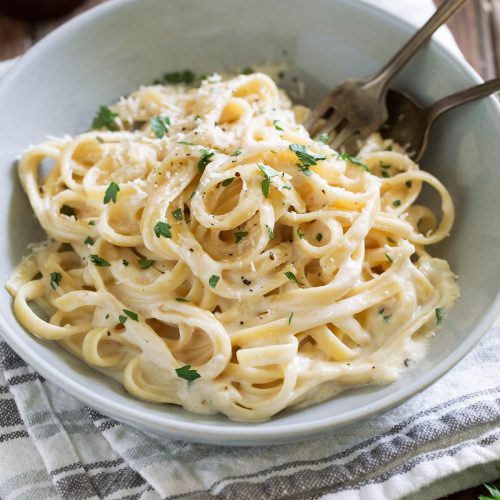
This is the moment of truth! Your favorite cooked pasta, drained but still a little wet, should be added directly to the sauce. Toss gently to coat every single strand. The residual heat from the pasta will help finish cooking the sauce and make it cling perfectly. If the sauce seems a bit too thick, you can add a tablespoon or two of the starchy pasta cooking water to loosen it up.
Step 8: Serve Immediately
Alfredo sauce is best served immediately while it’s warm and creamy. Garnish with a little extra grated Parmesan and a crack of black pepper. Dig in and enjoy!
What to Serve It With
This alfredo sauce is a culinary chameleon, fitting perfectly into so many mealtime scenarios! For a simple, comforting BREAKFAST (yes, you read that right!), try a small dollop over some perfectly poached eggs, or even mixed into some scrambled eggs for an extra creamy start to your day. It’s surprisingly delicious and feels incredibly indulgent. When it comes to BRUNCH, I love serving this sauce over pan-seared chicken or shrimp alongside some lightly sautéed asparagus or spinach. For a more elegant presentation, I’ll drizzle it over a perfectly cooked salmon fillet. It elevates even the simplest of dishes! And as a decadent DESSERT, I know it sounds unusual, but a small drizzle over warm Pound Cake or even a baked apple is surprisingly divine – it’s that rich, comforting flavor profile. For COZY SNACKS, a warm bowl of fettuccine alfredo is my ultimate comfort food. I sometimes even use it as a dip for crusty bread or homemade garlic knots. My family has a tradition of having “Fettuccine Friday,” where this alfredo sauce is the star, and it’s something we all look forward to every single week. It’s the kind of meal that brings people together and creates lasting memories.
Top Tips for Perfecting Your Alfredo Sauce
I’ve made this alfredo sauce more times than I can count, and over the years, I’ve picked up a few tricks that make all the difference. First, about the Parmesan cheese: I cannot stress enough how important it is to grate your own. I learned this the hard way after a batch turned out slightly grainy, and a friend clued me in. The anti-caking agents in pre-shredded cheese just don’t melt as smoothly. For the MIXING ADVICE, patience is key. When you add the cheese, do it gradually and whisk constantly. This emulsifies the sauce properly, giving you that gorgeous, smooth texture. Don’t rush it! If you’re worried about the sauce becoming too thick or too thin, remember that starchy pasta water is your best friend. A tablespoon or two can loosen it up perfectly if it gets too stiff when you toss it with your pasta. For ingredient SWAPS, I’ve had success using half-and-half in a pinch if I’m completely out of heavy cream, but it won’t be quite as rich or thick. You can also experiment with different cheeses! A little Pecorino Romano can add a sharper, saltier kick, but I usually stick to Parmesan for that classic flavor. For BAKING TIPS, while this isn’t really a baked dish, if you’re using the sauce as a base for something like a Chicken Alfredo bake, make sure your oven is calibrated correctly. Some ovens run hotter or cooler than others, so keeping an eye on your dish is always a good idea. And finally, for GLAZE VARIATIONS (though this recipe doesn’t have a glaze), if you were to add other elements, like a touch of lemon zest, a pinch of nutmeg, or even some fresh herbs like parsley or chives, I’d add them at the very end, just before tossing with pasta, to preserve their fresh flavor. Trust me, a tiny pinch of nutmeg really does wonders for alfredo!
Storing and Reheating Tips
This alfredo sauce is best enjoyed fresh, but life happens, and sometimes you’ll have leftovers. If you find yourself with extra sauce, don’t despair! At ROOM TEMPERATURE, it’s best to store any leftover sauce (or pasta with sauce) in an airtight container and refrigerate it within two hours. It’s not recommended to leave it out for extended periods. For REFRIGERATOR STORAGE, I usually transfer any leftovers into a good quality airtight container. It will stay fresh in the fridge for about 2 to 3 days. The sauce might thicken up a bit once it’s chilled, which is totally normal. When it comes to FREEZER INSTRUCTIONS, I’m a bit hesitant with cream-based sauces as they can sometimes separate upon thawing. However, if you must freeze it, let it cool completely, then transfer it to a freezer-safe airtight container or a heavy-duty freezer bag, removing as much air as possible. It should last in the freezer for about 1 to 2 months. To thaw, transfer it to the refrigerator overnight. When reheating, you’ll likely need to whisk in a little milk or cream and gently heat it on the stovetop over low heat, stirring constantly. It might not be *exactly* as perfect as when it was first made, but it will still be delicious! For GLAZE TIMING ADVICE (if you were using one), always apply glazes to cooled or room temperature items if possible, or when specified by the glaze recipe. For our alfredo, this doesn’t really apply, but good to keep in mind for other dishes!
Frequently Asked Questions
Final Thoughts
Honestly, this alfredo sauce recipe is one of those things that makes me genuinely excited about cooking. It’s proof that sometimes, the simplest ingredients can create the most incredible flavors. It’s a reminder that you don’t need to be a gourmet chef to make something truly special for yourself or your loved ones. The creaminess, the depth of flavor from good Parmesan, the way it coats every single strand of pasta – it’s just pure comfort. If you’re someone who loves a good pasta dish but wants to elevate it beyond the jar, give this a try. I promise, you won’t regret it. It’s the kind of recipe that becomes a staple, the one you whip out when you want something reliably delicious. I’d love to hear how yours turns out, so please leave a comment below and let me know your thoughts or any fun variations you try! Happy cooking, and even happier eating!
Alfredo Sauce
Ingredients
Main Ingredients
- 3 Tbsp butter
- 1 Tbsp all-purpose flour
- 1.5 tsp minced garlic
- 0.75 cup heavy cream
- 0.75 cup whole milk
- 4 oz freshly, finely shredded Parmigiano-Reggiano cheese
- 1 tsp salt and freshly ground black pepper to taste
Instructions
Preparation Steps
- Melt butter in a large, deep skillet (or saute pan) over medium heat. Add flour, cook for 30 seconds stirring constantly, then add garlic and saute until flour and garlic are golden, about 30 seconds longer.
- While whisking slowly pour in heavy cream and milk. Cook stirring constantly until mixture simmers and thickens slightly.
- Remove from heat, stir in Parmigiano-Reggiano. Return to low heat, stir and let cheese melt through.
- Cover and keep warm over warm heat, stirring occasionally, until pasta is finished.