There’s something utterly captivating about the scent of browned butter wafting through the kitchen—a rich, nutty aroma that pulls me back to my grandma’s cozy kitchen, where she’d patiently swirl golden butter in a heavy skillet until just the right hint of toastiness emerged. If you’ve never browned butter before, you’re in for a treat—trust me, it turns even the simplest recipes into something extraordinary. Whether I’m tossing it into cookies, drizzling it over roasted veggies, or making a quick pasta sauce, browned butter always adds that “wow” factor. It’s like giving your food an unexpected, sophisticated hug that’s surprisingly simple to pull off. If you’re used to plain melted butter, browned butter is a game-changer that’ll have you reconsidering all the recipes you thought you knew.
What is browned butter?
Think of browned butter as just butter that’s cooked a little longer than usual—enough for its milk solids to toast and turn a beautiful amber color, releasing this irresistible nutty aroma. It’s essentially butter taking a walk on the wild side, transforming from a mild-fatty flavor to something much deeper, richer, and irresistibly cozy. The trick is watching it closely as it bubbles and foams, then slows down and turns brown without burning—it only takes a few minutes but the payoff is huge. This technique is a classic trick in French cooking, where it’s known as What is beurre noisette?What is hazelnut butter?
Why you’ll love this recipe?
What I honestly love most about browned butter is how it deepens flavor without adding anything complicated. You’re still just working with butter, but it suddenly has this toasty, slightly sweet edge that brings a warm, homemade vibe to everything it touches. It makes baked goods taste richer, veggies pop with more depth, and pasta sauce sing with buttery goodness—it’s like a flavor upgrade on easy mode.
And the simplicity is a total lifesaver. If you’ve ever panicked over complicated recipes or daunted by long ingredient lists, browned butter’s your friend. You only need butter, a pan, and just a few minutes of your attention. It’s budget-friendly too, turning basic ingredients into something special without requiring fancy add-ons.
Versatility is another strong suit here. You can fold browned butter into cookie dough, swirl it in sauces, or even drizzle it over popcorn for a grown-up snack twist. I’ve made browned butter cinnamon rolls that my kids actually ask for on repeat, and I also love tossing it with roasted Brussels sprouts for a weekday side that feels just a little more luxe. It’s become one of those easy tricks I pull out when I want to impress without stressing—plus, it’s way more fun than regular melted butter.
How to Make Browned Butter
Quick Overview
Making browned butter is really as straightforward as it sounds, but a little attention goes a long way here. You melt the butter over medium heat, then keep stirring and watching as it first foams up, then starts to brown and smell incredible. That buttery nuttiness means it’s ready. The key is watching closely because it turns from golden-y to burnt pretty fast! Once it’s at that perfect nutty stage, you pull it off the heat and use it immediately or store it. That’s it—simple, satisfying, and endlessly adaptable.
Ingredients
For the Browned Butter:
- Unsalted butter (1 cup or more depending on your recipe)—I always pick good quality here because the flavor really shines through.
- Optional: a pinch of sea salt to enhance the nuttiness if you’re using for savory dishes.
For Using Browned Butter in Recipes:
It works beautifully as a base for:
- Cookies (snickerdoodles, chocolate chip, or my favorite browned butter ginger snaps)
- Glazes or frostings
- Pasta sauces with sage and garlic
- Roasted vegetables tossed right after browning
- Nutty drizzles over sweet potatoes
Optional Flavor Boosters:
You can experiment adding:
- Fresh herbs like sage or thyme steeped into the butter
- Minced garlic towards the end for savory dishes
- A splash of lemon juice or zest when using it over vegetables for brightness
Step-by-Step Instructions
Step 1: Preheat & Prep Pan
Choose a light-colored, heavy-bottomed skillet or saucepan—that way you can really see when the butter is browning. I never skip this part because if you use a dark pan, it’s way easier to miss the golden-brown tipping point. Set your burner to medium, no higher, so the butter melts evenly without scorching.
Step 2: Melt Butter
Slice your unsalted butter into cubes for even melting and throw them into the pan. It’ll start foaming up right away—this is the water content evaporating, so be patient and keep stirring gently with a wooden spoon or heatproof spatula.
Step 3: Watch and Stir
The foam will eventually subside and the milk solids will begin to brown gently on the bottom of the pan. Your kitchen will fill with that warm, nutty aroma—it’s your cue to pay close attention now. Stir frequently to prevent burning and encourage even browning. This part usually takes 5–7 minutes, depending on your stove.
Step 4: Remove from Heat
When the butter turns a rich amber with toasted bits settling at the bottom, immediately take it off the heat. The residual warmth can burn it fast, so transfer the browned butter into a cool bowl to stop the cooking instantly. I learned this the hard way after one batch went from nutty to bitter in seconds!
Step 5: Use or Store
Use the browned butter right away in your recipe for that fresh nutty flavor or let it cool and store it in a sealed jar in the fridge for later. Reheat gently over low heat or use at room temperature for baking.
Step 6: Optional Flavor Infusion
If you want to add herbs or garlic, toss them into the pan after the butter has browned off heat and let them steep for a minute before straining. This makes a beautiful sauce base for savory meals.
Step 7: Keep an Eye on the Color
The key is taking it off just before the darker brown spots become black—burnt butter smells acrid and tastes bitter, which can ruin a dish. Trust me, once you get this instinct, it feels like magic every time.
Step 8: Incorporate Into Your Recipe
Whether it’s cookie dough, tossing with pasta, or drizzling over steamed veggies, browned butter adds that special spark. I like to mix it while still warm for baking or let it cool slightly for drizzling.
Step 9: Enjoy the Flavor Boost!
Watch your friends and family do a double-take at how rich and complex a simple ingredient can taste.
What to Serve It With
For Breakfast: Drizzle browned butter over warm pancakes or waffles instead of syrup. Toss it with sautéed mushrooms or spinach for an easy savory side alongside your eggs. Pair with a strong black coffee or vanilla latte for a cozy start.
For Brunch: Use browned butter in your hollandaise sauce for eggs Benedict or swirl it into roasted vegetable frittatas. Serve with freshly squeezed orange juice or a crisp mimosa—brown butter’s richness balances bright flavors perfectly.
As Dessert: Browned butter elevates simple desserts like chocolate chip cookies, gooey brownies, or even mixed into a caramel sauce over vanilla ice cream. Serve with a cup of Earl Grey tea or a creamy hot chocolate to round out an indulgent treat.
For Cozy Snacks: Toss warm popcorn in browned butter with a sprinkle of sea salt for an irresistible movie night snack. I also love brushing it over homemade garlic bread or spreading it on roasted sweet potatoes for that unforgettable nutty upgrade that disappears in minutes at my house.
Top Tips for Perfecting Your Browned Butter
Butter Quality: Use unsalted butter for control over salt and flavor nuances. Good butter makes a noticeable difference because it browns in a purer, cleaner way without additives messing with texture.
Pan Choice: Light-colored pans are non-negotiable. I learned the hard way that a dark pan can hide the ideal browning stage and lead to burnt butter disasters. Avoid thin pans too; heavier pans heat more evenly.
Watch Like a Hawk: Never walk away mid-process. Butter moves fast from golden to burnt, so stirring gently and watching closely is the only way to get it right.
Cooling Down: Get the browned butter off the heat immediately and into a cool bowl to stop cooking. Leaving it in the pan wastes your efforts pretty quickly.
Infusions: Try fresh herbs, a smashed garlic clove, or even a pinch of cinnamon tossed in right after browning off heat for custom flavors. Strain before using if you want a smooth finish.
Substitutions: I’ve swapped part of the butter with browned coconut oil for tropical twists, which works surprisingly well in certain baked goods. Just adjust depending on recipe fat ratios.
Storage: Browned butter keeps well refrigerated and even freezes beautifully—just thaw gently and stir before using again.
Practice the nose test: Your nose is your best friend here. It should smell warm, toasted, nutty—not bitter or burnt. Once you learn that scent profile, you’re golden.
I kept a little journal of my browned butter fails and victories over years—this mess-free, foolproof method is the one I always come back to. It’s a skill that keeps making my kitchen feel special.
Storing and Reheating Tips
Room Temperature: Browned butter can stay at room temp for up to two days if sealed in a clean jar and kept away from heat or light. Just give it a quick stir before using.
Refrigerator Storage: Store cooled browned butter in an airtight container or jar. It’ll last up to a month and retains its flavor beautifully. If it solidifies, just let it soften before using or gently warm it for a few seconds.
Freezer Instructions: You can freeze browned butter in small portions (ice cube trays work great) for up to three months. When thawing, bring it back to room temp or warm gently over low heat. Avoid overheating to preserve that toasty aroma.
Glaze Timing Advice: If you’re using browned butter in a glaze, wait until your baked goods are mostly cooled but still a bit warm before drizzling. This lets the glaze set nicely without melting off, especially if you’re storing.
Frequently Asked Questions
Final Thoughts
Browned butter is one of those simple kitchen tricks that keeps surprising me every time I use it. It’s such an easy upgrade, and yet it adds warmth, richness, and a cozy homemade vibe that can transform everyday dishes into something memorable. Whether you drizzle it over veggies, fold it into baked goods, or just enjoy the smell while it cooks, it feels like magic—and trust me, that’s a magic everyone should have in their cooking repertoire. Give it a try, play around with flavors, and make it your own. I’d love to hear how your browned butter creations turn out! Drop a comment below or share your favorite uses—happy cooking and even happier eating!
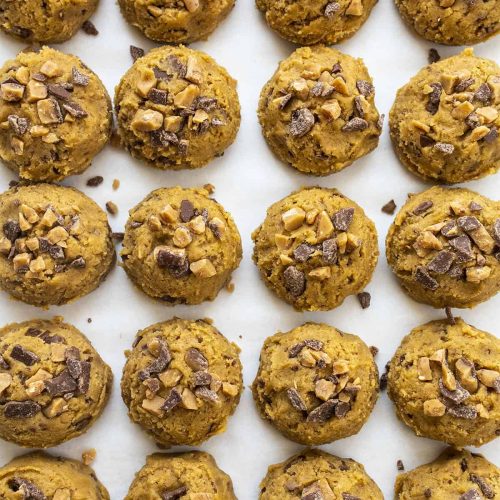
Browned Butter Toffee Cookies
Ingredients
Main Ingredients
- 14 tablespoons unsalted butter divided
- 0.75 cup dark brown sugar packed
- 0.5 cup granulated sugar
- 1 teaspoon kosher salt
- 2 teaspoons vanilla extract
- 1 large egg room temperature
- 1 large egg yolk room temperature
- 1.75 cups all-purpose flour
- 0.5 teaspoon baking soda
- 8 ounces milk chocolate English toffee bits approximately 1.5 cups
Instructions
Preparation Steps
- Preheat the oven to 375°F and line two baking sheets with parchment paper.
- In a skillet over medium-high heat, melt 10 tablespoons of butter, swirling occasionally until it foams and turns chestnut brown with a nutty aroma; remove from heat.
- Pour browned butter into a heat-safe bowl, including browned bits; stir in the remaining 4 tablespoons of butter until melted.
- Add dark brown sugar, granulated sugar, salt, and vanilla to the browned butter; whisk until fully incorporated.
- Whisk in the egg and egg yolk for 30 seconds. Rest the dough for 3 minutes. Repeat whisking for 30 seconds and resting 3 minutes four times total until dough is dark golden toffee color.
- In a separate bowl, whisk flour and baking soda; gradually mix into the browned butter mixture until just combined.
- Fold in the chocolate and toffee bits, reserving some for topping if desired.
- Scoop 3 tablespoon-sized portions onto baking sheets, leaving 2 inches between each cookie; optionally top with reserved bits.
- Bake for 10-14 minutes until the edges are crispy; cool completely before serving.