Okay, confession time: I have a secret weapon for those nights when I want takeout flavor but refuse to spend thirty dollars and wait an hour for delivery. It’s this Korean BBQ Pork, and honestly, it’s the recipe that finally convinced my super picky nephew that pork shoulder isn’t “chewy.” He calls it the “Magic Meat.” I’ve made this dish so many times the bottle of soy sauce in my pantry now has a permanent sticky ring around the base, which, if you ask me, is the sign of a truly loved recipe. Forget complicated grilling or hours of marinating; we’re getting that deep, umami-rich flavor that mimics authentic Korean BBQ right in a skillet. If you’re usually intimidated by Asian marinades, trust me, this is the one that breaks the ice. It’s savory, just the right amount of sweet, ridiculously tender, and that gorgeous caramelized crust? Absolutely addictive. We’re talking about the kind of simple, satisfying dinner that makes you want to skip ordering delivery forever. Get ready, because your new weeknight hero for incredible Korean BBQ Pork is here!
What is Korean BBQ Pork?
What exactly are we whipping up here? Think of this Korean BBQ Pork—or a chicken.Dwaeji Bulgogi if we’re being fancy, though mine is definitely a simplified, weeknight version—as intensely flavorful, thinly sliced pork shoulder that’s been bathed in a sticky, sweet, and profoundly savory sauce. Unlike beef bulgogi, which often uses more delicate cuts, we’re using pork shoulder here because it’s forgiving, budget-friendly, and when sliced thin, it cooks up beautifully tender while still holding up to that glorious caramelization. It’s essentially a marriage between traditional Korean marinades (lots of soy sauce, garlic, ginger, and that signature pear or apple sweetness) and a super quick sauté process. It’s not exactly the same as the smoky, slow-cooked flavor you get off a charcoal grill at a restaurant, but I promise, we get 95% of the flavor bang for about 10% of the effort. It’s savory, slightly spicy from the gochujang (which you can totally leave out if spice isn’t your jam!), and it smells like the best Korean restaurant just opened up in your kitchen. It’s comfort food dressed up for a Tuesday night.
Why you’ll love this recipe?
There are so many reasons this Korean BBQ Pork has earned permanent residency in my rotation, but let’s get straight to the highlights. First and foremost, the FLAVOR. That combination of salty soy sauce meeting sweet brown sugar and the background warmth of fresh ginger and garlic? It’s addictive. It hits all the pleasure points—salty, sweet, savory, and that tiny little kick of heat if you use the optional gochujang. My kids, who usually turn their noses up at anything new, devour this over plain white rice. And honestly, the simplicity is what sold me initially. I learned this trick after years of trying to perfectly marinate meat for hours: a good, quick sear in a hot pan locks in those flavors immediately. You don’t need to plan this meal three days in advance. That’s a huge win for busy weekdays.
Next up: cost efficiency. Pork shoulder is one of the best deals at the butcher counter, and these sauce ingredients? You probably already have them. No specialty grocery runs required! This recipe easily feeds my family of four for well under $15, which is unbeatable for this level of deliciousness. Plus, it’s incredibly versatile. If you’ve ever enjoyed a great plate of Jeyuk Bokkeum (spicy pork stir-fry), this sits right alongside it, just with a little less heat and a slightly sweeter profile. I love wrapping leftovers in crisp lettuce cups—it feels fresh and light the next day. I’ve also successfully turned this into a quick rice bowl topper for lunchboxes. Seriously, what I love most about this is that it tastes like you fussed over it, even though you barely lifted a finger. It’s the perfect solution when you’re craving something deeply savory and comforting but still need to get dinner on the table before everyone melts down. Trust me on this one; this marinade is magic.
How do I make Korean BBQ Pork?
Quick Overview
The secret to this incredibly fast preparation lies in two main things: slicing the pork as thinly as possible (a partially frozen state helps immensely here!) and then using a high-heat sear. We mix up our powerhouse sauce while the pork rests, then cook in batches so that beautiful caramelization happens instead of steaming. We’re building layers of flavor—first the garlic and ginger bloom in the oil, then the pork sears, and finally, the sauce reduces down into a beautiful, sticky glaze that clings to every piece. It feels fancy, but it comes together faster than you can decide what to stream on Netflix. It’s honestly foolproof if you keep the heat up and don’t overcrowd the pan.
Ingredients
For the Main Protein:
- 2 lbs Boneless Pork Shoulder (Boston Butt), trimmed of excess silver skin
- 1 Tablespoon Neutral Oil (like canola or avocado)
- 1 Yellow Onion, thinly sliced
For the Flavor Bomb Marinade/Sauce:
- 1/2 cup Low Sodium Soy Sauce (I prefer low sodium so I can control the saltiness)
- 1/4 cup Brown Sugar, packed (this is crucial for that sticky texture)
- 2 Tablespoons Mirin (or substitute with dry sherry if you don’t have it)
- 1 Tablespoon Toasted Sesame Oil
- 4 large cloves Garlic, finely minced (don’t skimp here!)
- 1 Tablespoon Fresh Ginger, grated (use a microplane, it makes a difference)
- 1 Teaspoon Black Pepper
- 1 Tablespoon Gochujang (Korean Chili Paste – optional, but highly recommended for depth!)
For Garnish & Serving:
- 2 Scallions, thinly sliced diagonally
- 1 Teaspoon Toasted Sesame Seeds
Step-by-Step Instructions
Step 1: Preheat & Prep Pan
First things first, let’s get that pork ready. For the thinnest slices, I always place the pork shoulder in the freezer for about 45 minutes until it’s firm but not rock solid. This makes slicing against the grain much easier. Slice it against the grain into pieces no thicker than about 1/8 inch. If you’re nervous about slicing, ask your butcher to do it—they usually have a commercial slicer that works wonders. Heat a large, heavy-bottomed skillet or cast iron pan over medium-high heat. Add your tablespoon of neutral oil. We want this pan hot, but not smoking yet.
Step 2: Mix Dry Ingredients
We’re actually mixing the “dry” components of the sauce first. In a medium bowl, whisk together the brown sugar, black pepper, and the optional gochujang until they are mostly combined. You don’t need to worry about dissolving the sugar yet; that happens when we add the liquids.
Step 3: Mix Wet Ingredients
In the same bowl (I am a one-bowl wonder when I can be!), add the soy sauce, mirin, sesame oil, minced garlic, and grated ginger. Whisk everything vigorously until the brown sugar starts dissolving. Give it a quick taste test here! It should taste quite strong—salty, sweet, and pungent. Remember, this coats two pounds of meat, so it needs to pack a punch.
Step 4: Combine
Add the thinly sliced pork directly into the sauce mixture. Use your hands (gloves are great if you don’t want garlicky fingers!) to toss everything thoroughly, ensuring every strip of pork is coated in that beautiful marinade. Now, here’s my biggest tip: you don’t need a long marinade time! Seriously, 15 minutes while you slice your onion is plenty, since the slices are so thin. If you have the time, let it sit while you tidy up for 30 minutes, but don’t feel obligated to let it sit overnight.
Step 5: Prepare Filling
While the pork is marinating (or while the pan is heating up), slice your yellow onion very thinly—julienne style works best. Have your scallions and sesame seeds ready for garnish. The filling, in this case, is just the aromatics (onion), so prep is key to keep the cooking process smooth.
Step 6: Layer & Swirl
Now for the cooking! Heat your oiled skillet until it’s shimmering. Add about half of the sliced onions and sauté for about two minutes until they start to soften slightly. Next, add about half of the marinated pork slices to the pan. Crucial point: Do not overcrowd the pan! If you dump it all in at once, the temperature drops, and the meat steams instead of searing, which ruins that gorgeous caramelization we’re aiming for. Cook in two batches if necessary.
Step 7: Bake
Actually, we aren’t baking—we’re searing! Cook the pork over medium-high heat for about 4–6 minutes per batch, stirring occasionally. You’ll notice the sauce beginning to bubble vigorously and thicken quickly. You are looking for crispy, dark brown edges forming on the pork strips and the sauce reducing to a glossy, syrupy consistency that clings to the meat. Once that happens, remove the first batch and set it aside on a warm plate. Repeat with the second batch of pork and onions. If your pan looks dry, add just a tiny drizzle of neutral oil between batches.
Step 8: Cool & Glaze
Once all the pork is cooked and back in the pan together (or just keep it in the serving dish), the residual heat will keep the sauce perfect. We don’t want a separate glaze here; the sauce is the glaze! Toss everything one last time to make sure all the pieces are coated in that sticky reduction. It should smell incredible right about now—garlicky, sweet, and slightly smoky.
Step 9: Slice & Serve
Transfer the finished Korean BBQ Pork to a serving platter. Immediately sprinkle generously with the sliced scallions and toasted sesame seeds. Serve this piping hot over steaming white rice. If you want to add some color, a side of quick kimchi or some crisp, fresh lettuce leaves for wraps is perfect. The texture contrast between the tender, slightly crispy meat and the fluffy rice is everything.
What to Serve It With
This Korean BBQ Pork is robust enough to stand on its own, but it truly sings when paired with the right supporting cast. When I make this on a weeknight, it’s usually over a giant mound of perfectly cooked short-grain white rice; that rice soaks up every last drop of that salty-sweet sauce, and honestly, that’s half the meal right there. But when I have a little more time, I love turning it into a proper spread.
For Breakfast: Yes, you heard me! Leftover pork is amazing in a breakfast bowl. I scramble an egg or two, put the pork on top, maybe a drizzle of sriracha mayo if I’m feeling wild, and it’s a savory, protein-packed start. Great with a strong cup of black coffee, just to cut through the richness.
For Brunch: This is where we get fancy. Serve the pork alongside crisp, fresh butter lettuce or perilla leaves. We make little wraps—a leaf, a spoonful of pork, maybe a smear of sweet bean paste if I have some, and a slice of crunchy cucumber. It feels light, interactive, and so much more elegant than just a bowl.
As Dessert: Haha, not exactly dessert, but for a late-night cozy snack, I love serving a small portion of this alongside quick-pickled radish (the kind you can make in an hour!) and a clear broth soup. The acidity of the radish cuts through the richness perfectly. It’s my favorite way to end a chilly evening.
For Cozy Snacks: Always, always with kimchi. Whether it’s store-bought or my homemade napa cabbage version, the sour, fermented crunch contrasts beautifully with the sweet, sticky pork. A cold Korean barley tea or even just an ice-cold sparkling water balances the savory intensity. I learned years ago that anything salty and savory demands something cold and bubbly to refresh the palate between bites. This combo never fails.
Top Tips for Perfecting Your Korean BBQ Pork
I’ve messed this recipe up plenty of times—usually by getting impatient, so listen to my lessons learned! They will save you time and disappointment.
Pork Prep: If you absolutely cannot slice the meat thinly yourself, buy pre-sliced pork intended for hot pot or shabu-shabu. It works like a charm and saves you the freezing/slicing hassle. If your slices are too thick (over 1/4 inch), they won’t caramelize quickly enough; they’ll just stew in the sauce. Remember, thin equals crispy edges!
Mixing Advice: When you mix the marinade, make sure that brown sugar is really dissolved before adding the meat. If there are still gritty sugar chunks, they will burn on the bottom of your pan before the rest of the sauce has a chance to reduce properly. I learned this the hard way when I was rushing one Saturday morning; I ended up scraping burnt sugar off my pan for twenty minutes.
Sear Customization: The number one rookie mistake is overcrowding the pan. If you put too much meat in at once, the temperature plummets, all the moisture in the marinade releases, and you end up boiling the pork in its own juices. You won’t get that desirable, slightly charred, dark brown crust. It’s better to cook in three smaller batches than two huge ones. Be patient!
Ingredient Swaps: If you don’t have mirin, use dry sherry or even skip it entirely, just perhaps add a tiny splash more water or broth to the sauce to maintain liquid volume, though the flavor won’t be quite as nuanced. If you’re out of fresh ginger? Use 1/2 teaspoon of ground ginger, but add it right at the end with the finishing seasonings, as ground spices don’t fare well when sautéed for long periods.
Baking/Searing Tips: Medium-high heat is your friend. Keep it moving at first until the liquid reduces by about half, then let it sit undisturbed for 30 seconds to a minute to let that dark, sticky crust form on the bottom of the pieces. That crust is where the flavor lives!
Glaze Variations: If you prefer a little more heat, swap the gochujang for 1 tablespoon of gochugaru (Korean chili flakes) mixed into the sauce. For an even stickier glaze, whisk in 1 teaspoon of cornstarch into the marinade mixture before adding the meat. This forces the sauce to become super thick and lacquer-like once it hits the hot pan. That’s a trick I use when serving it over cold rice salad!
Storing and Reheating Tips
The best part about a strongly flavored dish like this Korean BBQ Pork is that it tastes even better the next day once the flavors have really married. Storing it correctly ensures you keep that perfect texture.
Room Temperature: I honestly wouldn’t leave this out for more than two hours, maximum. Because of the high sugar and liquid content in the glaze, it’s not ideal to sit out, especially if you used fresh scallions as garnish. If you need it to sit out briefly before serving, keep it covered loosely and definitely in a warm spot, not a cold kitchen counter.
Refrigerator Storage: Store leftovers in a shallow, airtight glass container. I recommend transferring the pork from the serving platter into the container immediately after it cools down slightly (don’t put piping hot food directly into the fridge). This will keep beautifully for up to 4 days. Because of the sugar, the sauce might solidify a bit, but don’t worry!
Freezer Instructions: If I know I won’t eat it within four days, I freeze it. Place the cooked pork and sauce in heavy-duty freezer bags, press out all the air, and flatten them like a book—they thaw faster that way. It stays delicious for about two months. To thaw, move it to the fridge overnight.
Glaze Timing Advice: Never add the fresh scallions or sesame seeds before storing. These need to be added right before serving, whether it’s day one or day three. When reheating, if you find the sauce too thick or sticky (which happens in the fridge), add just a splash—maybe a teaspoon—of water or low-sodium broth to the pan when reheating on the stovetop over medium-low heat. This loosens it up perfectly without diluting the flavor. Reheating in a skillet is always better than the microwave for restoring that lovely tender texture.
Frequently Asked Questions
Final Thoughts
Honestly, I hope you feel as excited making this Korean BBQ Pork as I do every time I pull that skillet off the heat. There’s something so deeply satisfying about creating a dish that tastes like it took hours of complicated preparation when, in reality, you probably did most of the work while waiting for the kettle to boil. This recipe is my proof that big, bold, restaurant-quality flavors don’t require a specialty pantry or an entire afternoon dedicated to cooking. It’s the perfect intersection of easy technique and phenomenal taste.
Remember, the key players are thin slicing and high heat—don’t let the meat steam! Play around with the heat level in the sauce; if you love spice, lean into the Gochujang, and if you want that deep molasses flavor, pack that brown sugar in tight. I’ve already tried to convince my neighbor to make this instead of ordering out for their Friday tradition, and I think I finally wore them down. Give it a shot this week when you’re craving something truly comforting and delicious. I can’t wait to hear how your kitchen smells while this is searing—the garlic and ginger alone are worth the effort! Please let me know in the comments below how you served it, and if your family gave it a nickname like mine did!
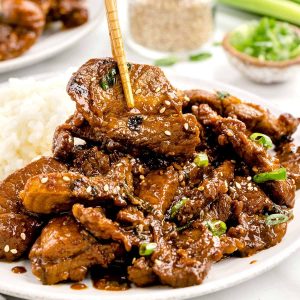
Korean BBQ Pork
Ingredients
Main Ingredients
- 2 pounds thinly sliced boneless pork butt
- 0.5 cup chopped yellow onion
- 0.75 cup chopped scallions divided into 0.5 cup and 0.25 cup
- 0.5 cup low-sodium soy sauce
- 0.25 cup grated apple 1 small gala apple peeled and shredded
- 3 tablespoons seasoned rice wine vinegar
- 3 tablespoons Gochujang Korean chili paste
- 3 tablespoons light brown sugar
- 1.5 tablespoons minced garlic
- 1 tablespoon grated ginger
- 2 teaspoons sesame oil
- 2 tablespoons peanut oil plus an additional 1 tablespoon if needed for extra cooking batches
- 0.25 teaspoon sesame seeds optional garnish
Instructions
Preparation Steps
- Add the thinly sliced pork butt, chopped yellow onion, and 0.5 cup chopped scallions in a large bowl. Set aside.
- Make the marinade in a small mixing bowl by whisking together the soy sauce, grated apple, seasoned rice wine vinegar, Gochujang Korean chili paste, light brown sugar, minced garlic, grated ginger, and sesame oil.
- Pour the marinade into the bowl of the pork and onions. Stir to fully coat all the pork with the marinade.
- Cover the bowl with plastic wrap and refrigerate for 1 hour or up to overnight to allow the pork to marinate and absorb the flavors.
- Add the peanut oil to a large, heavy-duty skillet on high heat. Once the oil is very hot, add half the marinated pork. Cook for 4-6 minutes. Remove the cooked pork to a serving plate and set aside.
- Add the remaining marinated pork to the skillet (add an additional 1 tablespoon of peanut oil if needed) and cook for another 4-6 minutes or until the pork is cooked through and the marinade thickens into a glaze.
- Add the second batch of cooked Korean BBQ pork to the serving plate and garnish with the remaining 0.25 cup of chopped scallions and optional sesame seeds.